







Introduction:Want to know which regional beans are best for cold brew to achieve your ideal flavor? This article provides an in-depth analysis of how different origins perform in cold brew, from the fruity and bright Ethiopian beans to the rich, cocoa-toned Brazilian and Indonesian beans. We offer detailed brewing ratios and flavor profiles to help you choose the most suitable coffee beans based on your preference, and master the key techniques for cold brew.
The unique charm of cold brew lies in its low-temperature, long-duration extraction method, which allows coffee to present a flavor profile completely different from hot brews. Coffee beans from different regions showcase vastly different aromas and textures during cold brewing. Choosing the right origin allows you to easily brew a delicious cold brew at home that rivals the quality of a specialty café.
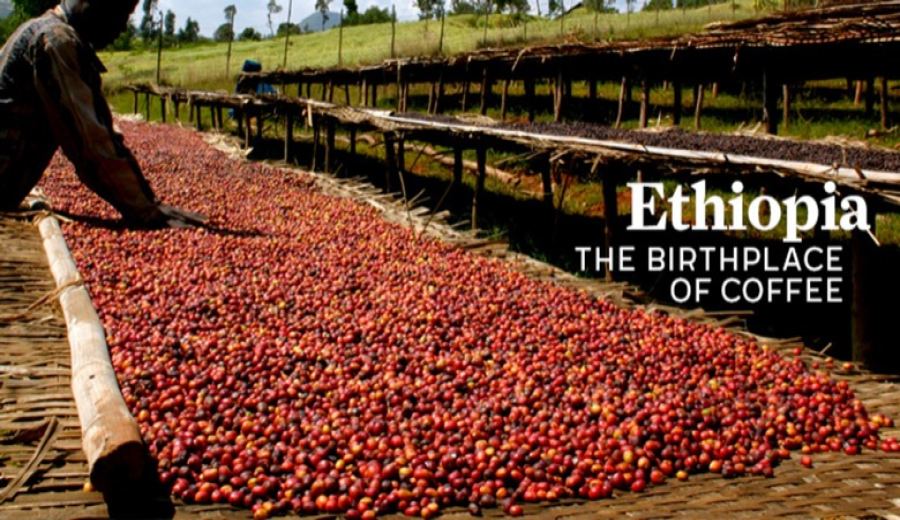
If you prefer a cold brew bursting with fruity notes, Ethiopian beans are the top choice. For example, the Huikaui natural beans, when brewed cold, gently release tropical fruit aromas such as strawberry and passionfruit, with a sweet-tart flavor that is soft and nearly free of bitterness—tasting almost like diluted fresh juice, incredibly refreshing.Recommended coffee-to-water ratio: 1:10, which can make the fruit flavors more pronounced. Meanwhile, the Yirgacheffe washed beans exhibit clear citrus and floral notes, with a taste similar to cold-brewed floral tea, especially suitable for serving over ice. A recommended coffee-to-water ratio is1:11to maintain overall clarity.
If you enjoy intense juice-like flavors, Kenyan beans deliver an outstanding performance in cold brew. Kenyan washed beans possess strong sour notes reminiscent of cherry tomatoes and dark plums, and cold extraction actually makes these acids more concentrated, with a clearer layering. Adding cranberry juice and sparkling water can create a complex flavor akin to premium berry beverages. However, note that Kenyan beans have relatively high acidity and are not suitable for daily drinking, making them better suited as a featured cold brew specialty blend.
For a bold and full-bodied cold brew texture, Brazilian and Indonesian beans are ideal choices. The Queen’s Estate beans from Brazil, after cold brewing, develop soft and creamy nutty and cocoa aromas, paired with noticeable caramel sweetness, yielding a taste similar to cold brew cocoa. When combined with milk, it becomes an excellent match and serves as a classic base for cold brew lattes. On the other hand, Mandheling dark roast beans, after cold brew, see their herbal and dark chocolate notes become rounder, with bitterness significantly reduced, instead offering a mellow sweetness, making them well-suited to be paired with condensed milk for an Southeast Asian-style iced coffee.
Central and South American beans often present mild and balanced flavors in cold brew. For instance, the Colombia Gesha double anaerobic natural beans yield a softer juice-like sensation of passionfruit and blueberry at low temperatures, with reduced acidity and highlighted sweetness, overall resembling a diluted natural fruit juice. While Panama Geisha, although elegant with jasmine floral notes, presents a distant and clear cold-brewed floral-tea-like character, but due to its higher price, it is more suitable for small-batch boutique cold brew rather than daily large-scale use.
For those seeking a stable and cost-effective option, blends are the ideal choice for everyday cold brew. The complementary characteristics of beans from different regions can fully integrate during cold brewing. For example, Brazilian beans provide nutty sweetness, while Colombian beans contribute balance, resulting in a more harmonious overall flavor compared to single-origin beans. Blends not only offer cost control but also suit large-batch production, making them a practical choice for beginners in cold brewing.
It is worth noting that there is a significant difference in bean selection philosophy between cold brew and pour over. Pour over emphasizes clarity and layering of flavors, whereas cold brew focuses on smoothness and integration. Some origins that perform sharply in pour over, such as the bright acidity of Kenyan beans, may come across as overly concentrated in cold brew; conversely, some more moderate origins in pour over, such as the nutty profile of Brazilian beans, can truly shine in cold brew. Therefore, when selecting beans, be sure to factor in “cold immersion” as a variable and not directly apply the same logic used for pour over.
For beginners trying cold brew, it is recommended to start with medium-dark roast blends, adjusting the grind size and steeping time to your liking, to build a basic understanding of cold brew texture. Then gradually try single-origin beans from different regions, and through comparative tasting, find the cold brew style that best suits your personal taste. Whether you prefer the fruity notes of Ethiopian sun-dried, the boldness of Brazilian or Mandheling beans, or the freshness of washed beans and the intensity of Kenyan beans, there is always a cold brew flavor that suits you.
The above content is compiled by CoffeeHunters, a coffee news website.

