







Introduction:When running a coffee shop, selecting the right commercial espresso beans is a crucial step. This article delves into the flavor characteristics of traditional blend-origin regions such as Brazil and Colombia, as well as how single-origin SOE beans can be used as signature offerings. From building a flavor foundation to creating distinctive drinks, it helps you master the balance strategy between blends and single origins, and understand the practical impact of roast levels on flavor.
In the daily operation of a coffee shop, the choice of espresso blends directly affects the performance of milk-based and black coffees. Commercial espresso beans are mainly divided into two categories: blends and single-origin SOEs. Each has its own advantages in terms of flavor profile, stability, and suitability for different scenarios. Understanding the characteristics of these base beans can help you make more appropriate choices based on your shop’s positioning.
Blends have long been the mainstream in commercial espresso, with the core idea being to complement beans from different regions to create a stable and balanced flavor profile. In common blends, Brazilian beans often serve as the base, providing nutty and chocolatey notes; Colombian beans bring bright sweetness and moderate acidity, making the overall taste fresher; while Mandheling, processed with the wet-hulled method, contributes body and herbal layers. Adding it in moderation can enhance the depth of the overall flavor. This blending approach not only ensures a stable flavor framework but also effectively reduces fluctuations caused by seasonal changes, ensuring consistency across batches.
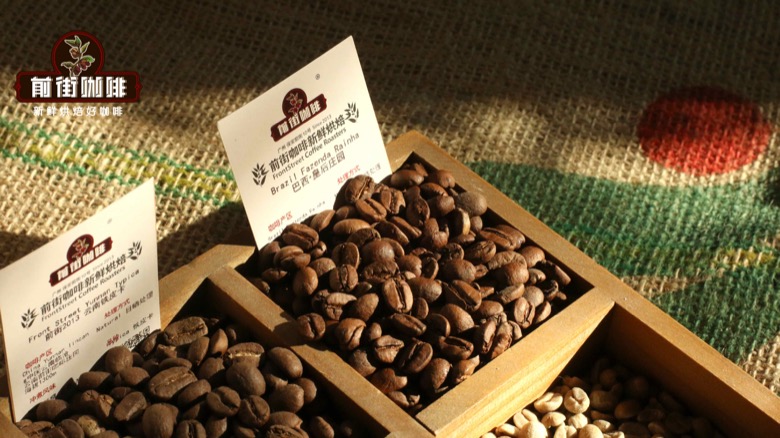
Among them, Brazilian beans, due to their relatively lower growing altitude, have moderate bean density. Their flavors are dominated by nuts, chocolate, and caramel, with low acidity and a smooth mouthfeel, making them an ideal structural base in blends. Premium Brazilian beans from estates like Queen Estate and Cerrado often feature rich nutty and cocoa aromas, and are commonly used as the foundation of blends. Colombian beans, especially those from the high-altitude Huila region, are known for their balanced acidity and prominent sweetness, pairing excellently with Brazilian beans. They provide both foundational stability and a refreshing sweetness. This “Brazil–Colombia blend” is a classic combination in many shops and is widely loved by customers.
Mandheling is a key element in elevating the complexity of a blend. Indonesian Mandheling, processed using the wet-hulled method, carries unique herbal and earthy notes, with a full body and layered flavors. Adding a small amount to a blend can give the overall cup a richer mouthfeel, which is particularly suitable for customers who prefer intense, traditional flavors. However, the proportion of Mandheling must be carefully controlled, as too much can lead to overpowering earthiness, disrupting the overall flavor balance.
Compared to blends, single-origin SOEs emphasize the unique flavor characteristics of a single region, making them suitable for crafting signature drinks. For example, Ethiopian natural-process beans are known for their fruity and floral notes, and when used in milk-based coffees, they can present distinctive flavor layers. Kenyan washed beans, on the other hand, are celebrated for their bright acidity and rich juice-like body, making them highly suitable for black coffee. However, the challenge with SOEs lies in their harder-to-control flavor consistency. Seasonal variations in the producing regions may lead to differences in flavor between batches, so roasters need to maintain a high level of quality control.
For commercial coffee shops, a rational bean structure should use blends as the everyday base for making mainstream milk-based coffees like lattes, cappuccinos, and flat whites, ensuring stable and widely accepted flavors. SOEs can then serve as seasonal specials or featured menu items, catering to customers seeking freshness and unique flavors. This dual-track strategy can cover the mass market while also offering differentiated choices.
Additionally, when selecting origins, supply chain stability should also be considered. Brazil and Colombia, with their large production volumes and mature supply chains, offer high batch consistency, making them ideal as the first choice for commercial base beans. Meanwhile, origins like Ethiopia and Kenya are more affected by seasons and climate, resulting in noticeable batch differences. These are recommended as flexible choices for signature SOEs, bringing freshness to customers.
The roast level of blends is also an important factor influencing flavor. Commercial espresso blends are typically medium-dark roasted. This roast level provides good crema development and a balanced bitterness-sweetness profile, ensuring that the coffee’s flavor remains distinct even when milk is added. If roasted too light, the crema may be thin, and the coffee may lack presence in a latte. If roasted too dark, it may result in overly heavy bitterness, affecting the performance of black coffee. Therefore, medium-dark roast is considered the safe zone for commercial espresso blends, balancing stability and flavor expression.
The above content is compiled by CoffeeHunters, a coffee news website.

