







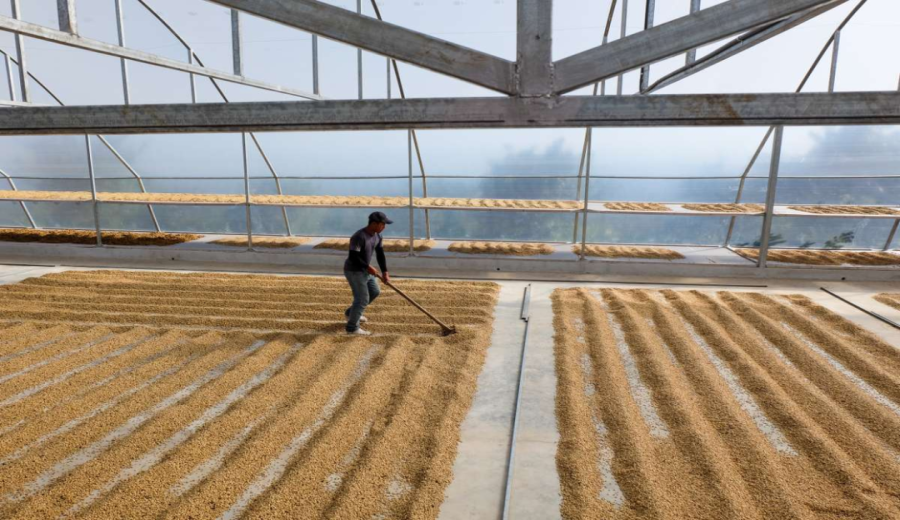
Introduction:Costa Rica is one of the few countries in the world that grows only Arabica coffee. Its rigorous regional classification system and naturally advantaged environment have nurtured numerous internationally renowned specialty coffees. This article provides an in-depth analysis of the geographical features, altitude conditions, and flavor profiles of eight major producing regions—including Tarrazú and the Three Rivers Region—along with practical coffee bean reference information to help coffee enthusiasts find the producing area and flavor profile that best suits them.
Costa Rica is one of the first countries in Central America to introduce coffee cultivation and is well known for its legal commitment to growing only Arabica varieties and its complete ban on planting Robusta. Since the first coffee seedlings were introduced from Cuba in 1779, this nation nourished by volcanoes and sea breezes has gradually established a complete coffee industry chain. Today, it boasts eight highly regarded specialty coffee regions, each showcasing unique microclimates and terroir characteristics to produce world-class "golden beans."
Looking back at history, coffee cultivation in Costa Rica began in 1779 when the first coffee seedlings were brought over from Cuba. By 1808, coffee cultivation had reached a commercial stage, with approximately 17,000 coffee trees planted across plantations nationwide. After gaining independence from Spanish rule in 1821, coffee quickly became a vital pillar of the national economy, a position it has maintained ever since. In the early years, the government introduced a number of support policies to encourage coffee farming, including providing seedlings free of charge and even allowing farmers to claim land rights if they cultivated coffee on unused land for five consecutive years. These measures successfully sparked a nationwide enthusiasm for coffee planting.
However, during World War II, Costa Rica’s international competitiveness declined temporarily due to Britain halting coffee imports and the rise of Brazilian coffee starting in the 1900s. Subsequently, the rapid development of nearby producing regions such as Honduras and Guatemala further challenged Costa Rica’s position in the global market. It wasn’t until 1989 that the government enacted new legislation explicitly banning the cultivation of low-quality coffee varieties, aiming to enhance overall coffee quality—an effort that also reinforced the country’s tradition of focusing solely on Arabica.
The formulation of this policy involved the participation of two major research institutions: CATIE (Centro Agronómico Tropical de Investigación y Enseñanza), established in 1942, and ICAFE (Instituto del Café de Costa Rica), founded in 1933. These institutions have long been committed to coffee variety improvement, pest and disease control, and regional research, exerting a profound influence on both Costa Rica’s and the wider Central American coffee industries.
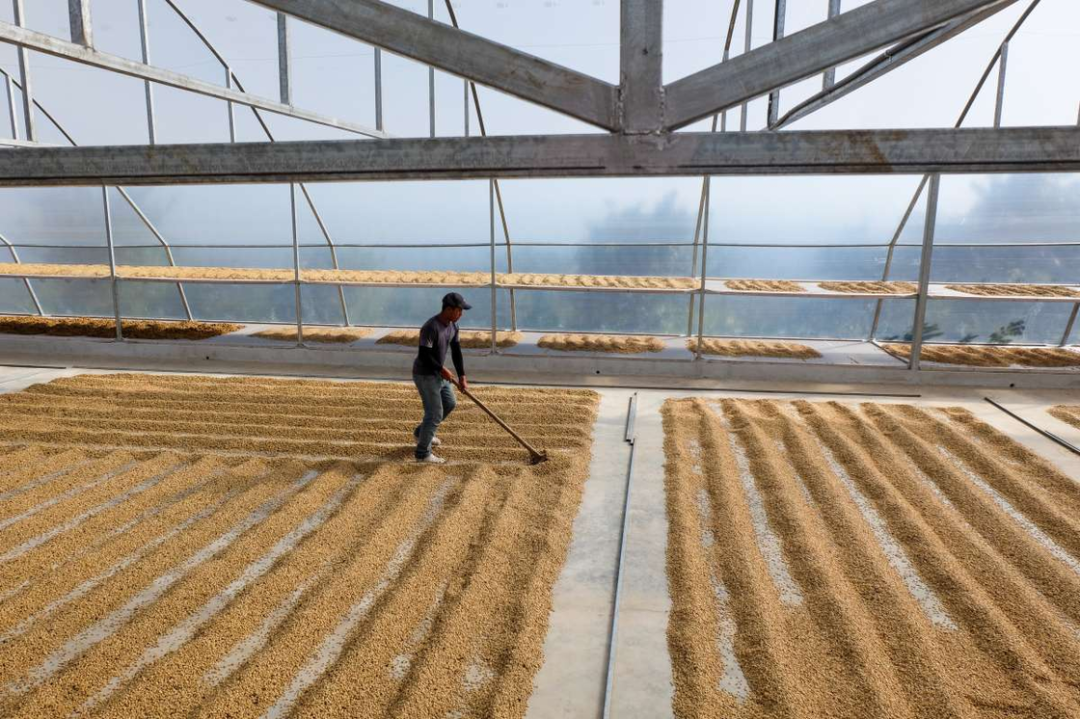
Although Costa Rica is not the largest coffee-producing country in the world, its uniquely advantageous geography and terrain have given rise to highly distinctive coffee flavors. The country features a long, narrow landform with a central volcanic belt and fertile soil stretching from north to south. Influenced by the interaction of both the Pacific and Atlantic climate systems, it enjoys diverse microclimates. Numerous active volcanoes not only provide mineral-rich soils but also ensure excellent drainage, enabling coffee plants to steadily absorb nutrients and yield beans that are plump and rich in complex flavors.
Observing the distribution of coffee-growing regions in Costa Rica, they are mainly concentrated in a long, narrow zone in the central part of the country, divided into eight specialty-producing areas. These include five major regions: Central Valley, Tres Ríos, West Valley, Tarrazú, and Brunca, as well as three smaller regions: Turrialba, Orosi, and Guanacaste. Each region, due to differences in altitude, slope orientation, rainfall, and soil composition, exhibits its own unique flavor profile.
One of the most renowned regions is Tarrazú, located in central Costa Rica. Formerly part of the Los Santos region, it officially registered the "Café de Tarrazú" origin certification in 2019, becoming one of the most representative producing areas. Tarrazú offers a high-altitude growing environment, with most farms situated between 1,200 and 1,700 meters above sea level. The region is suitable for cultivating varieties such as Caturra and Catuaí, and the common processing method is washed processing, resulting in bright acidity and balanced sweetness.
In the specialty coffee consumer market, Tarrazú beans are often described as having a complex flavor profile that combines sweet orange, honey, toffee, and nuts. Especially under washed processing, the acidity is clear and the aftertaste is mellow. For example, a washed bean from Tarrazú grown at around 1,500 meters, processed through a standard washed method, often presents bright citrus notes when brewed, complemented by caramel-like sweetness and moderate body. It is highly suitable for everyday drinking or as an entry-level choice for pour over enthusiasts.
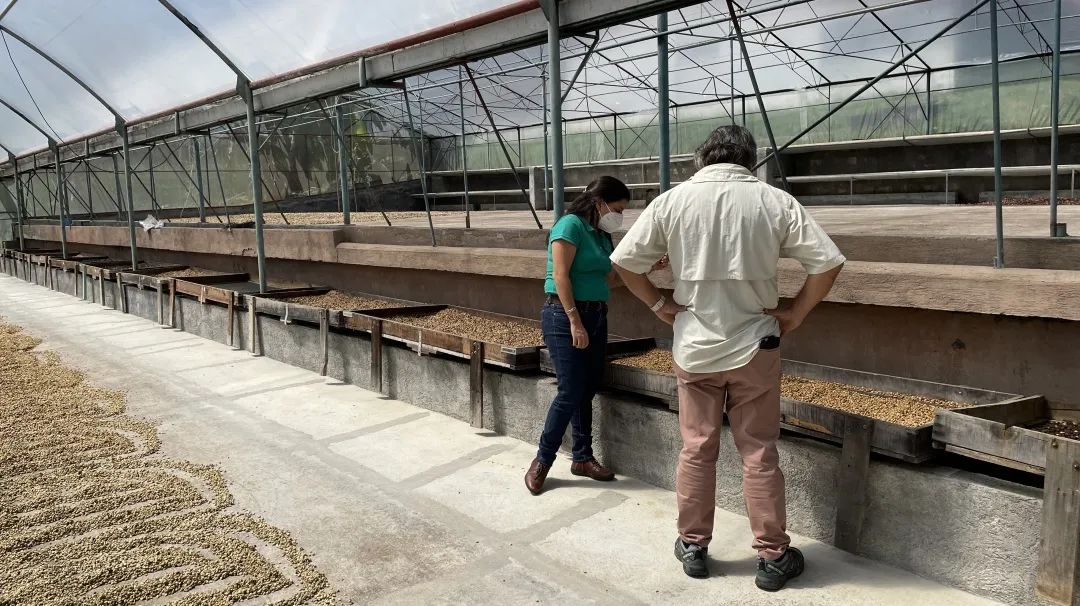
Another noteworthy region is the Three Rivers Region (Tres Ríos), located east of the capital, San José. Though it is one of the smallest coffee-producing regions in Costa Rica, it is celebrated for its refined and delicate flavors. Adjacent to Costa Rica’s highest peak—Irazú Volcano—the region is covered with extremely fertile volcanic ash soil. With an altitude of about 1,000 to 1,600 meters, the area enjoys a humid climate and significant day-night temperature variations, which facilitate the slow maturation of coffee cherries and the accumulation of richer flavor compounds.
Coffee from the Three Rivers Region is typically known for its balanced and delicate profile, featuring soft acidity and pronounced sweetness. It is hailed by many coffee enthusiasts as the “Bordeaux” of Costa Rica and serves as an excellent starting point for exploring delicate flavors and high-altitude coffee. Although production in this region is limited, it consistently receives high praise in international evaluations, making it a must-try choice for advanced coffee drinkers.
In summary, Costa Rica’s eight producing regions not only demonstrate the country’s dedication to coffee quality but also offer a rich and diverse range of flavor experiences. From the vibrant fruit acidity and sweet aftertaste of Tarrazú to the refined balance of the Three Rivers Region, each area holds its own unique geographical code and microclimate story, waiting for coffee lovers to explore and savor one by one.
The above content is compiled by CoffeeHunters, a coffee news website.


