







Introduction:Delve into the unique topography, climate, and soil conditions of Papua New Guinea’s coffee-growing regions, with a focus on the Sigri Heavenly Bird Estate in the Western Highlands Province of the central highlands. Analyze how its representative washed Typica beans exhibit a rich and balanced flavor profile distinctly different from Indonesian coffees. From regional background to bean variety characteristics, this offers a comprehensive guide for bean selection.
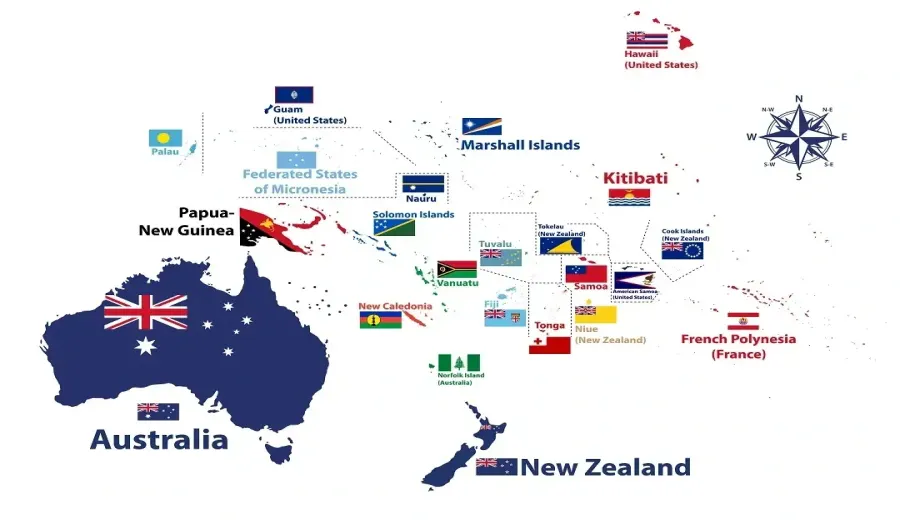
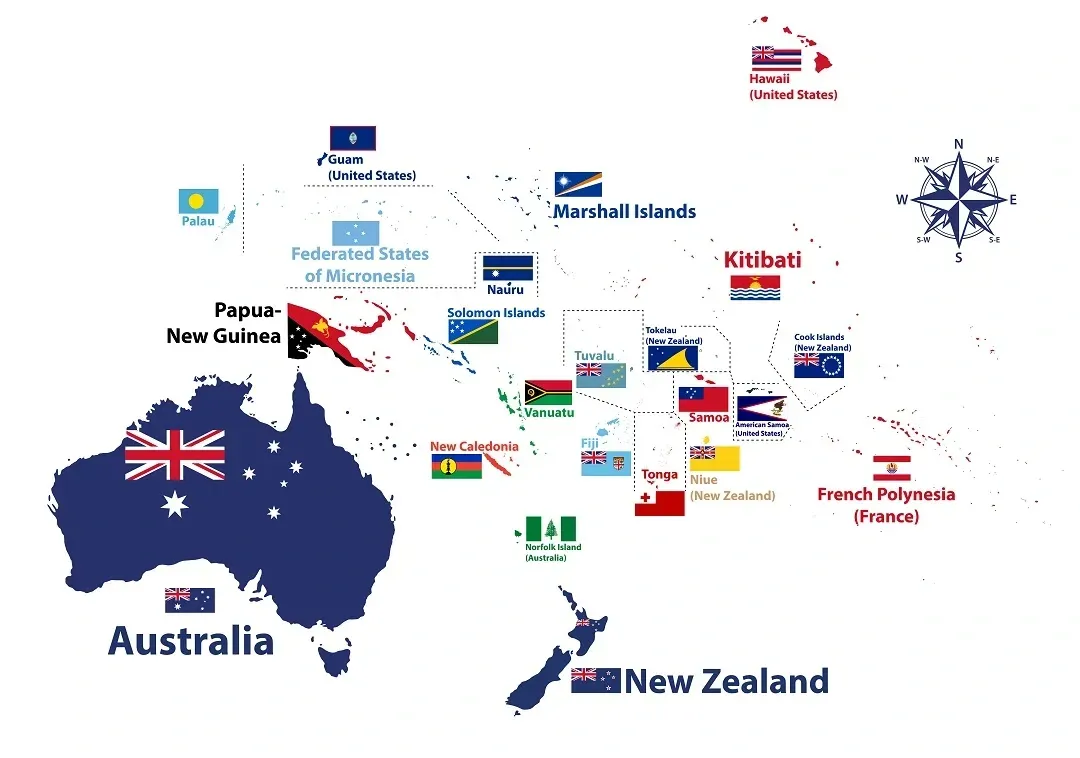
Papua New Guinea is located in Oceania, with a geography dominated by volcanic terrain. Its mountainous areas generally feature high elevations, along with a cool climate, abundant rainfall, and fertile volcanic soils — all creating ideal natural conditions for coffee cultivation. Since the introduction of coffee cultivation in the late 19th century, the country has gradually developed a coffee industry with distinct regional characteristics. Some Typica varieties, well-suited to island climates, have flavors akin to Jamaican Blue Mountain and are thus hailed as "Little Blue Mountain."
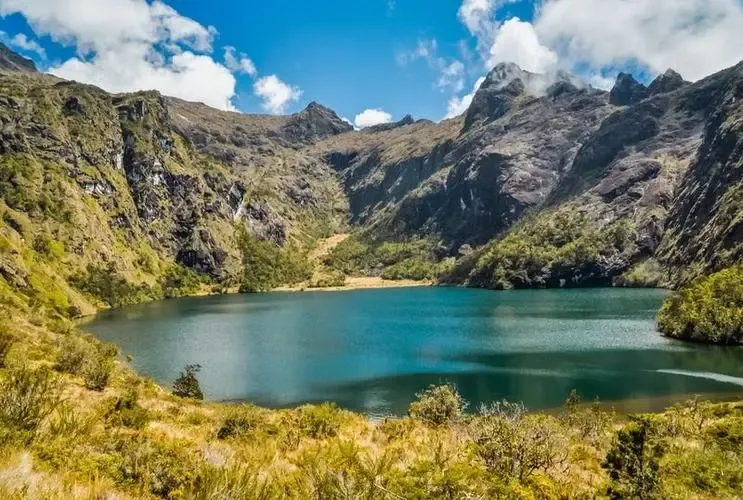
Currently, coffee in Papua New Guinea is mainly grown in four highland provinces in the central region: Western Highlands, Eastern Highlands, Chimbu, and Jiwaka. These areas mostly lie at elevations between 1,000 and 2,000 meters, with a typical alpine climate featuring average annual temperatures of around 16–27°C and annual rainfall averaging 2,500 mm — highly conducive to the growth of coffee trees and fruit development. Among them, the Western Highlands Province is not only the country’s largest coffee-producing area but also home to numerous renowned coffee estates.
The capital of the Western Highlands Province, Mount Hagen, is situated in the Wahgi Valley, surrounded by fertile volcanic soil and moderate temperatures — an ideal setting for agriculture. In addition to tea, this region is also well known for coffee cultivation. The representative Sigri Heavenly Bird Estate (Sigri) is located at a high elevation of approximately 1,500 meters and boasts a long history of coffee growing, being one of the earliest pioneers in local coffee cultivation.
The Sigri Heavenly Bird Estate is affiliated with WR Carpenter company-PNG, which owns about 1,000 hectares of coffee-growing land in Papua New Guinea and is also the country’s primary exporter of coffee and tea, accounting for approximately 80% of the national total exports. The estate has long been committed to sustainable agriculture, avoiding the use of pesticides and chemical insecticides to protect the local ecosystem and soil resources. It also strictly oversees the planting and post-harvest processes to ensure stable and consistent coffee quality.
Tracing back to the development of coffee in Papua New Guinea, it dates as early as the 1890s, but did not form a large-scale commercial industry at that time. It wasn’t until the 1930s, during the Australian trusteeship period, and due to close ties with Britain, that the country introduced the Blue Mountain Typica variety from Jamaica. Given the similar geographic and climatic conditions, these coffee trees quickly adapted to the local environment and displayed elegant flavors close to those of Blue Mountain, hence earning the title “Little Blue Mountain.”
Subsequently, the country also introduced other varieties to enhance coffee quality and yield, including Bourbon from Kenya, Mundo Novo and Caturra from Brazil, continuously enriching the local coffee gene pool. Today, Typica remains an important cultivar in the region, especially excelling in high-elevation production areas.
At the Sigri Heavenly Bird Estate, the Typica variety planted is mostly processed using the washed method, through meticulous steps such as pulping, fermentation, washing, and sun drying, preserving the beans’ pure flavor profile. The resulting brew often exhibits a pronounced caramel sweetness, paired with soft cocoa and almond notes. The acidity is mild and emerges at lower temperature stages, delivering a rich and balanced mouthfeel overall — distinctly different from the herbal and spicy notes commonly found in Southeast Asian Indonesian coffees.
For coffee enthusiasts who love pour over or seek single-origin flavor profiles, the high-elevation Typica beans from Papua New Guinea offer an excellent choice to explore. It is recommended to use a medium-fine grind, control water temperature between 90–93°C, and opt for medium to medium-dark roasting levels to better highlight its sweetness and body. Whether as a daily brew or an introductory option for exploring the flavors of Oceania, the coffee from this region is definitely worth trying.
The above content is compiled by CoffeeHunters, a coffee news website.


