







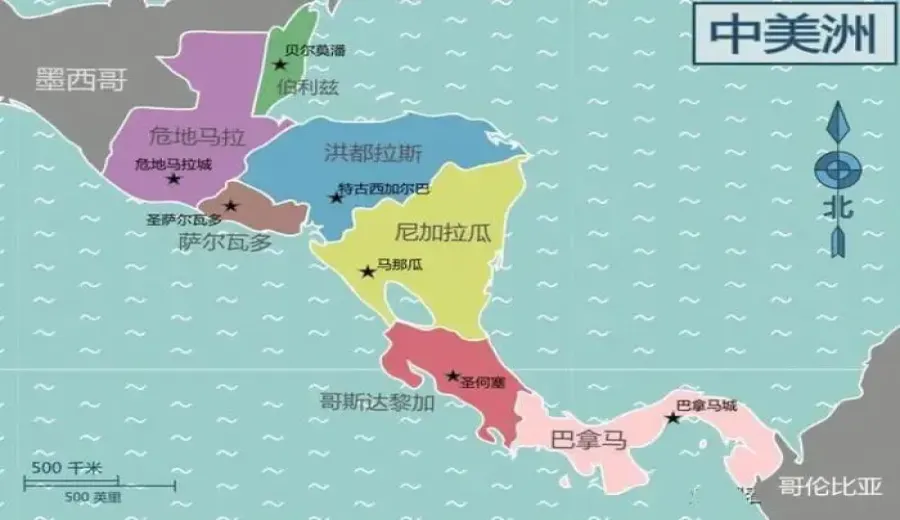
Introduction:Though small in size, Panama shines as a rising star in the global specialty coffee map. This article delves into the country’s main coffee-growing provinces, with a special focus on the three key regions of Boquete, Volcán-Candela (also known as Volcan), and Renacimiento in Chiriquí Province. It explores their unique microclimates shaped by the presence of the Barú Volcano. Additionally, it introduces the history, altitude advantages, and competition achievements of Elida Estate, along with actual flavor profiles, to help you fully grasp the essence of Panama’s specialty coffee.
Although Panama is not large in land area, its unique geographical and climatic conditions have secured it a notable place in the global specialty coffee scene. Coffee cultivation in the country is primarily concentrated in three main areas within the western Chiriquí Province: Boquete, Volcán-Candela (Volcan), and Renacimiento. All these regions surround the Barú Volcano (also called Volcán Baru), creating microclimates ideal for coffee growth, enabling Panamanian coffee to stand out.
The Central American region features mountainous and plateau-dominated terrain, with lush forests and a volcanic belt stretching over 1,300 kilometers along the Pacific coast. Thanks to its proximity to the equator, the area enjoys diverse climates ranging from tropical to Mediterranean. The mineral-rich volcanic soils are highly conducive to agriculture, especially the cultivation of crops such as coffee and bananas. Panama is one of the representative countries renowned for its specialty coffee.
Dating back to the 19th century, European colonists introduced coffee to Panama. However, cultivation at the time was primarily focused on yield rather than quality, with no concept of specialty coffee yet. At that time, Panama’s coffee production was only one-tenth that of neighboring Costa Rica. Over time, as international coffee prices declined, local growers gradually recognized consumers’ demand for high-quality coffee. This led to the establishment of the Panama Specialty Coffee Association (SCAP), which worked to enhance the international visibility of Panamanian coffee through exhibitions and competitions.
The Panama Specialty Coffee Association later organized the “Best of Panama” (BOP) competition, further solidifying the international reputation of Panamanian coffee. In 2004, the Geisha variety won the championship with its exceptional flavor profile, gaining widespread fame and repeatedly breaking international green bean auction price records, becoming synonymous with Panama’s specialty coffee.
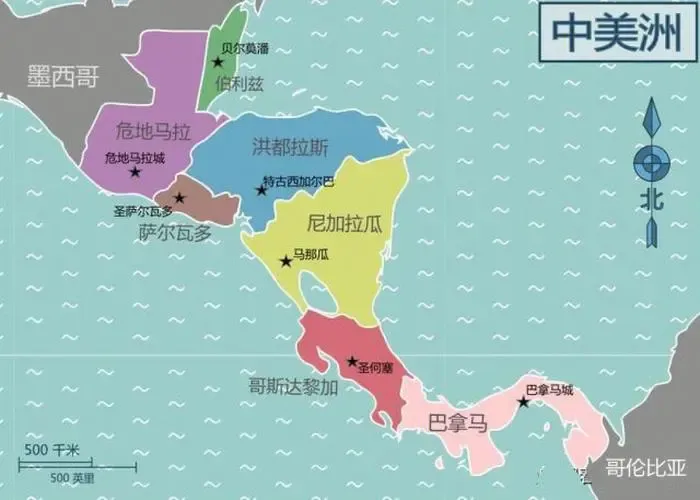
Panama’s geographical environment is key to producing high-quality coffee. Located in southern Central America, it borders Colombia and Costa Rica, featuring mountainous terrain with only narrow coastal plains. The climate is tropical maritime, with significant day-night temperature variations, an average annual temperature of around 23–27°C, distinct wet and dry seasons, and an annual rainfall of approximately 1,500–2,500 mm. With numerous volcanoes, high mountains, dense forests, and abundant river resources, the country forms many microclimates, providing nearly perfect conditions for coffee cultivation.
Panama has a total of 10 provinces and 5 indigenous reserves, but specialty coffee cultivation is mainly concentrated in three regions of the western Chiriquí Province: Boquete, Volcán-Candela (Volcan), and Renacimiento. Among them, Boquete and Volcán-Candela are located near the Chiriquí Volcano (i.e., Barú Volcano), while Renacimiento is close to the Costa Rican border, situated in the Talamanca Mountain Range.
Boquete is Panama’s most renowned coffee-growing region, named after the town of Boquete. It lies on the eastern side of the Chiriquí Volcano. As Panama’s highest peak, the Chiriquí Volcano stands at 3,477 meters above sea level and includes plateaus and basins. The slopes between 1,200 and 2,000 meters in elevation are the main areas where coffee farms are located.The temperature here ranges from 11 to 27°C, with significant day-night differences, along with moderate rainfall, fertile volcanic soil, ample sunlight, and unique microclimates—all of which contribute to the depth and complexity of the coffee’s flavor.The washed Geisha beans from the Boquete region, after medium roasting, offer bright citrus acidity accompanied by aromas of bergamot, honey, and green tea, delivering a refreshing and pleasant cup.
Boquete is also home to many renowned farms, including Finca Esperanza Verde, Finca Duncan, and Elida Estate. Among them, the Lamastus family was honored as the Best Producer of the Year at the 2024 BOP competition. Their holdings include Elida Estate, El Burro Estate, and Luito Estate, with Elida Estate being the most famous.
Elida Estate’s history dates back to 1918 and has been managed by the Lamastus family ever since. The estate’s name originates from Elida, the wife of the founder Robert Louis Lamastus. It is currently managed by the second-generation family member Wilford Lamastus, covering a total area of 65 hectares, over half of which lies within the Barú Volcano National Park. Approximately 30 hectares are used for coffee cultivation, while the rest remain as pristine forest, reflecting a commitment to sustainable practices. The coffee is grown at elevations between 1,670 and 1,850 meters, making it one of the highest-altitude coffee farms in Panama. The cultivation areas and processing facilities are located halfway up the mountain, ensuring that coffee cherries can be processed in the shortest possible time to maintain the highest quality.
Elida Estate primarily grows classic varieties such as Geisha, Typica, and Caturra, as well as disease-resistant hybrids like Catuaí. In the 2024 BOP competition, its Geisha variety, processed using the natural (sun-dried) method, scored 95.13 in the natural category and claimed the championship. The currently available Elida Catuaí Natural beans, when brewed, emit a subtle wine-like aroma with flavor layers of peach, raisin, and orange, and a finish that carries caramel sweetness and a clear green tea note. The cup is exceptionally clean, making it an excellent choice for experiencing high-altitude Panamanian coffee.
The above content is compiled by CoffeeHunters, a coffee news website.


