







Introduction:Dark roast coffee beans develop a unique balance of sweetness and bitterness through caramelization and Maillard reactions, but their aroma and oils are more susceptible to environmental influences. This article delves into how proper sealing, light avoidance, and appropriate resting can effectively slow flavor loss, ensuring every cup of dark roast coffee delivers rich caramel sweetness and a full-bodied texture. It also offers advanced storage tips such as portioning and freezing.
The charm of dark roast coffee beans stems from the sweet-and-bitter harmony shaped by caramelization and Maillard reactions during roasting. Yet, these prized qualities also mean dark roasts require more careful handling than medium or light roasts. Due to the deeper roast level, the bean structure is more porous, making aromatic compounds more prone to evaporation, while surface oils oxidize faster upon exposure to air. To maintain the distinctive flavors of dark roasts, mastering the correct storage methods is essential.
First,Sealing is the foremost step in preserving dark roast beans.It is recommended to transfer opened dark roast beans into an airtight container with a one-way degassing valve. If using the original packaging, ensure the seal is tightly closed. The one-way valve allows the natural release of carbon dioxide produced by the beans while blocking external oxygen—an ideal feature for coffee storage. Notably, oxygen not only causes oils to oxidize, leading to rancid flavors, but also gradually diminishes the rich caramel sweetness and deep cocoa aromas.
Storage environment factors like light and temperature also matter. Areas near kitchen stoves or windows—where it’s hot or exposed to direct sunlight—can accelerate the breakdown of flavor compounds, significantly impacting the aroma of dark roasts. Storing coffee beans in a cool, dry cupboard, with the lid closed after each use, is a cost-free yet highly effective strategy. If your living environment is particularly humid, check the inner walls of the sealed container for condensation. If present, it indicates excessive humidity, and you should relocate the beans to a drier spot to prevent moisture damage.
Regarding resting time, dark roast beans release abundant gases post-roasting, and their initial flavors are not fully developed. It’s generally advised to let them rest for a few days before brewing, resulting in a smoother, rounder mouthfeel. Typically, within the first two weeks after opening, dark roast beans exhibit their most robust caramel sweetness, black chocolate, and nutty layers. If purchasing in bulk, consider portioning some beans into small, airtight bags, expelling as much air as possible, and freezing them. Freezing significantly slows flavor degradation. Before use, simply allow the portion to return to room temperature before grinding, and the aroma retention remains excellent.
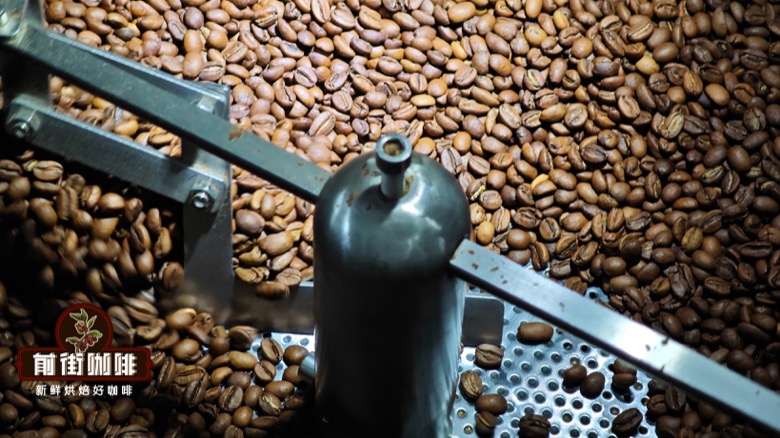
In daily use, develop the habit of opening the container only once per pour and sealing it immediately afterward to minimize air exposure. Before grinding, double-check the beans’ condition—if they still have an oily sheen and strong aroma, they’re well-preserved. Conversely, if the aroma has noticeably faded, it might be time to restock with a fresh batch.
The signature full-bodied texture and captivating caramel sweetness of dark roast coffee beans are worth meticulously preserving. From basic sealing and light/temperature control to advanced portioning and freezing techniques, these simple yet crucial steps ensure every brew of dark roast coffee maintains its intended intensity and layered complexity.
The above content is compiled by CoffeeHunters, a coffee news website.

