







Introduction:Dark roasted coffee is beloved by many coffee enthusiasts for its rich and bold flavor, but not all coffee beans from every origin are suitable for dark roasting. This article will take an in-depth look at three classic origins that pair exceptionally well with dark roasts — Indonesian Mandheling, Brazil, and India — analyzing the unique flavor profiles they exhibit during dark roasting, including layers of dark chocolate, caramel, and spices. We’ll also provide practical advice on bean selection and flavor identification to help readers find their preferred dark roast beans.
The charm of dark roasting lies in its ability to unlock the potential of certain coffee origins, guiding their flavors toward a more intense, profound, and layered direction. However, not every coffee bean is suited for deep roasting. Only those beans that inherently possess low acidity, rich sweetness, and a solid body can deliver their best performance under the high temperatures of the second crack.
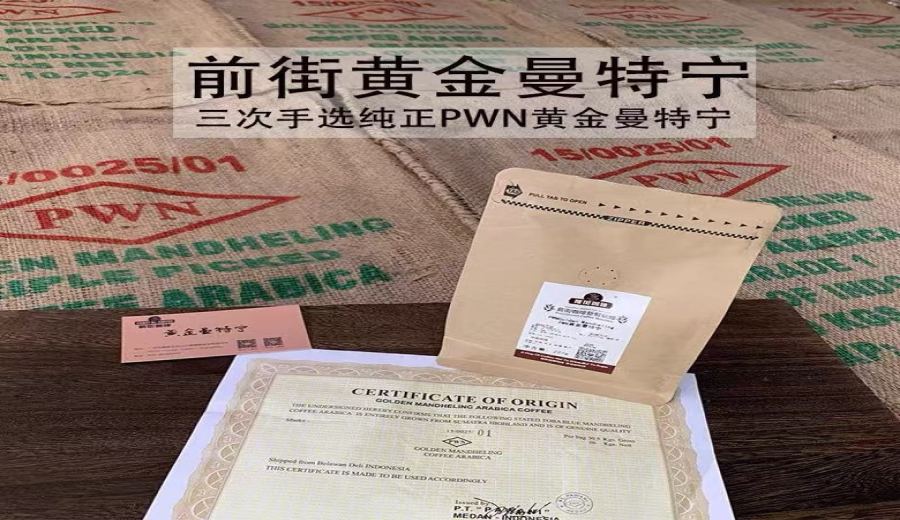
Among them, Mandheling from Sumatra, Indonesia, is regarded as a classic representative of the dark roast world. The region’s unique wet-hulling processing method involves removing the outer parchment layer while the beans are not yet fully dried, giving the beans a distinctive bluish-green hue and contributing to their naturally low acidity and full-bodied nature. After dark roasting, Mandheling often releases complex flavors interwoven with dark chocolate, caramel, pine, and herbs, resulting in a rich mouthfeel and a long-lasting aftertaste.This processing method retains abundant sugars and pectins, especially bringing out intense sweetness and oiliness during the second crack stage — a characteristic that is hard to match with other processing methods.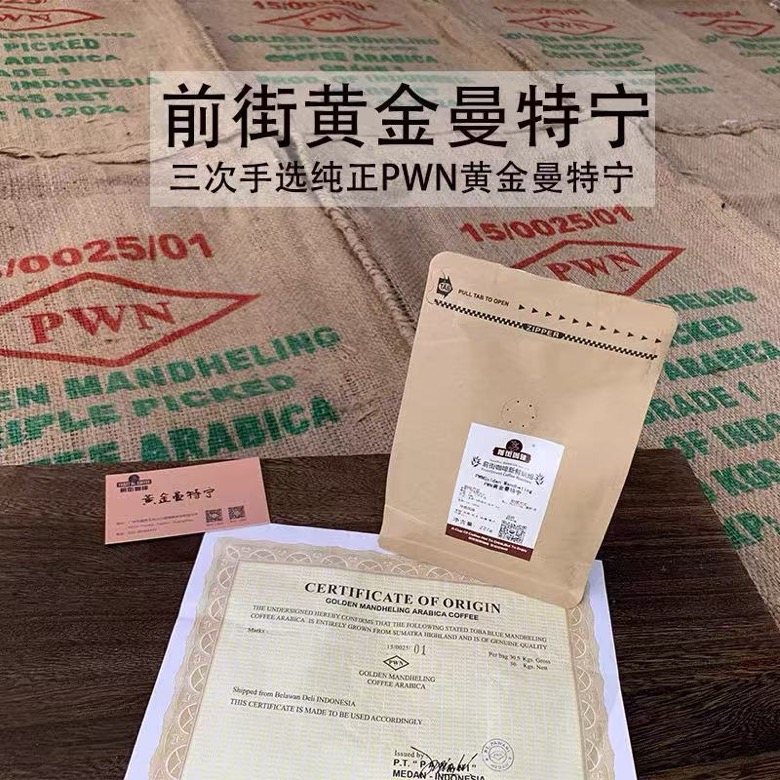
Brazil is one of the world’s top coffee-producing regions, and its beans, due to natural sun-drying or semi-washed processing methods, inherently possess a nutty and chocolatey base flavor, making them highly compatible with dark roasting. In particular, the Cerrado region, with its moderate altitude and well-matured coffee cherries, often exhibits a soft, rounded profile of roasted peanuts, milk chocolate, and brown sugar after dark roasting, with noticeable sweetness and an overall clean presentation. It’s worth mentioning that Brazilian beans are less prone to undesirable off-flavors during dark roasting, and they have relatively high tolerance for variations in roast levels. As such, they are very suitable for making espresso blends or everyday dark roast beans.
Another noteworthy classic origin for dark roasting is India. Influenced by the southwest monsoon, Indian coffee beans absorb significant moisture during transportation and storage, causing the beans to expand and take on a golden appearance, along with a noticeable reduction in acidity. This special process, known as monsooning, gives the beans a thicker and fuller mouthfeel texture. After dark roasting, Indian monsooned beans often showcase a blend of spicy notes, woody tones, and dark chocolate flavors, delivering a stable and layered taste profile.Among them, Monsooned Malabar is a representative variety, excelling in its full-bodied feel and sweet aftertaste, making it particularly well-suited for coffee lovers who prefer a bold flavor profile.
Looking at these three origins overall, their common traits include low acidity, high body, and solid sweetness. These characteristics allow them to fully express their flavor potential during dark roasting without easily falling into the trap of excessive bitterness or burnt notes. Whether you’re looking to explore hand-brewed dark roasts or searching for a blend base suitable for espresso, beans from these three origins are excellent reference choices.
For coffee enthusiasts who are just beginning to explore the world of dark roasting, it’s recommended to start with these three classic origins. By comparing the different processing methods and terroir characteristics they present after dark roasting, you can gradually develop a keener sensitivity and personal preference for dark roast flavors.Observing the roasting curve, paying attention to the start of the second crack and its development time — all of these are important parameters that influence the final flavor expression.
Whether you are a pour-over enthusiast or focused on espresso, gaining a deeper understanding of the dark roast potential of these origins can bring you a richer experience and enjoyment in both tasting and brewing.
The above content is compiled by CoffeeHunters, a coffee news website.

