







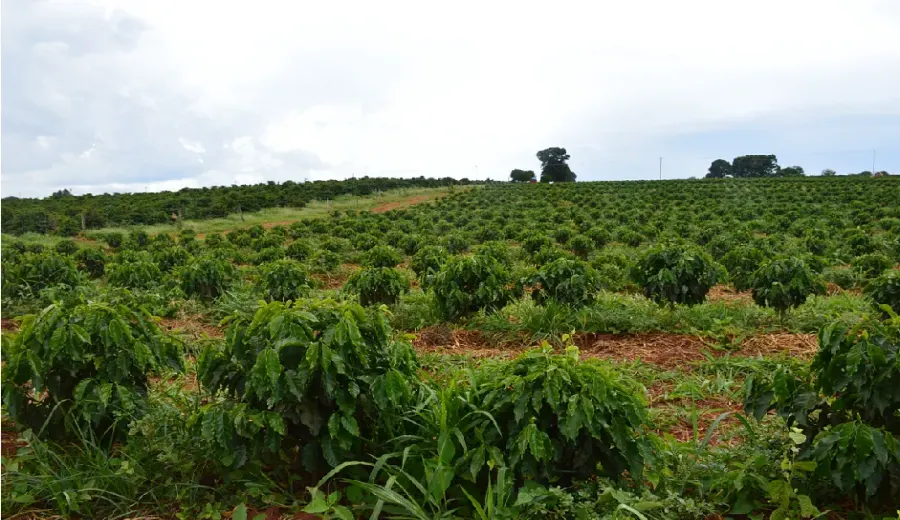
Introduction:Delve into how Brazil maintains its position as the world’s top coffee producer by exploring its four major coffee-growing regions and standout estates. This article details the geographic conditions, climate advantages, and unique terroirs of renowned sub-regions like Cerrado and Mogiana, as well as the stories behind celebrated specialty farms such as Fazenda Rainha and Fazenda Recreio. It helps coffee enthusiasts better understand how to select Brazilian beans and grasp their flavor profiles.
South America’s exceptional geography and climate have made the continent a global hub for coffee production. The Andes Mountains, vast highlands, and fertile volcanic soils provide ideal growing conditions for coffee trees. Among these, Brazil stands out by cultivating coffee in 17 of its 26 states, solidifying its status as the world’s largest coffee producer with consistently leading global output.
Brazil’s coffee cultivation is primarily concentrated in four states: Paraná, São Paulo, Minas Gerais, and Espírito Santo, which together account for over 80% of the nation’s total coffee production. Among them, Minas Gerais is not only a production powerhouse but also home to two renowned sub-regions—Cerrado and Sul de Minas—widely regarded as the heart of Brazil’s specialty coffee. Meanwhile, Alta Mogiana in the northern part of São Paulo State produces high-altitude beans with outstanding microclimates, nurturing many specialty coffee farms that have garnered international attention.
Within these four regions, Minas Gerais is the core of Brazil’s coffee map, contributing nearly 30% of the country’s total output. The Cerrado area within this state is known for its stable yields and reliable processing techniques, often yielding coffees with rich flavors like chocolate and nuts, making them ideal for blends or everyday pour overs. For example, the commonly available semi-washed Cerrado coffee exhibits a gentle sweetness and balanced profile, serving as a great entry point for newcomers to Brazilian flavors.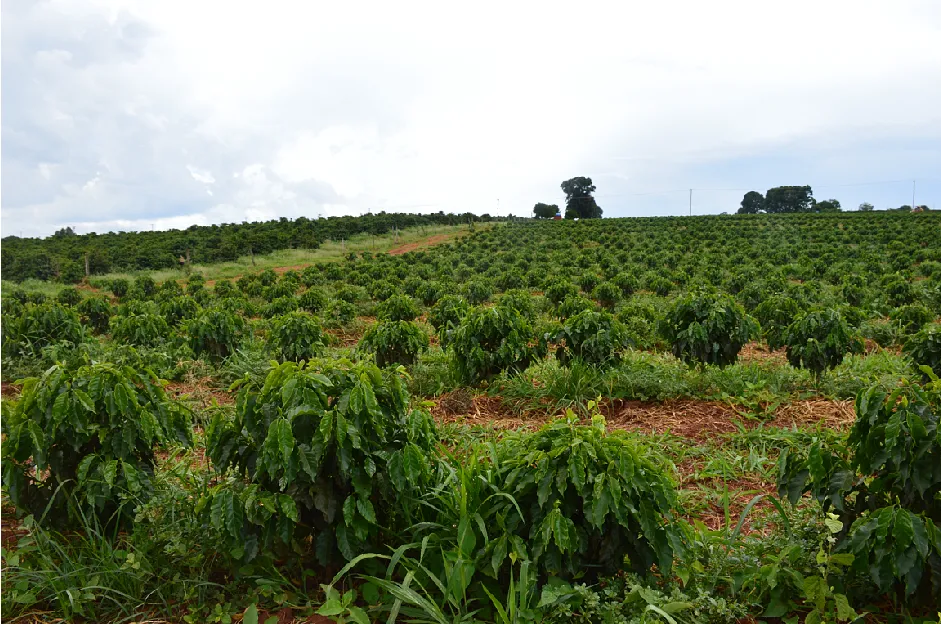
Alta Mogiana in São Paulo State is another key high-altitude coffee region. Located in the northern part of São Paulo near the Minas Gerais border, it sits at an average elevation between 1,000 and 1,400 meters. Due to its steep terrain, large machinery is impractical, so most harvesting is still done manually—allowing for more precise control over ripeness and quality. Alta Mogiana benefits from fertile red soils and diverse microclimates with significant day-night temperature variations, helping coffee cherries develop rich flavor compounds.
In Alta Mogiana, Fazenda Rainha is one of the most representative specialty coffee producers. Its Yellow Bourbon variety, often processed using the semi-washed method, showcases pronounced cane sugar sweetness and chocolate notes, along with a soft finish of nuts and peanuts. The cup is smooth and refined, with a clean and refreshing aftertaste, making it a single-origin choice highly recommended by many roasters.
Another classic estate not to be overlooked is the historic Fazenda Recreio. Established in 1890 and managed by the Teixeira de Macedo Júnior family for five generations, it is now led by Diogo Dias Teixeira de Macedo. A graduate in agricultural studies, Diogo has been deeply involved in coffee cultivation and post-harvest processes since 2000. The estate places strong emphasis on sustainability and environmental preservation, maintaining a protected native vegetation area to support local biodiversity. It also insists on hand-picking coffee cherries to ensure uniform ripeness and consistent processing quality.
Fazenda Recreio is also a pioneer in experimenting with coffee varieties. Initially planting traditional types such as Bourbon, Catuai, Typica, and Mundo Novo, it later joined a special coffee project initiated by the Campinas Agronomic Institute (IAC) and introduced the Geisha variety. This decision earned the estate fourth place in Brazil’s 2023 Cup of Excellence competition, demonstrating its commitment to quality and innovation. Since 2004, the estate has participated in the Cup of Excellence, winning second place in 2008—an achievement that underscores its standing and strength in the specialty coffee world.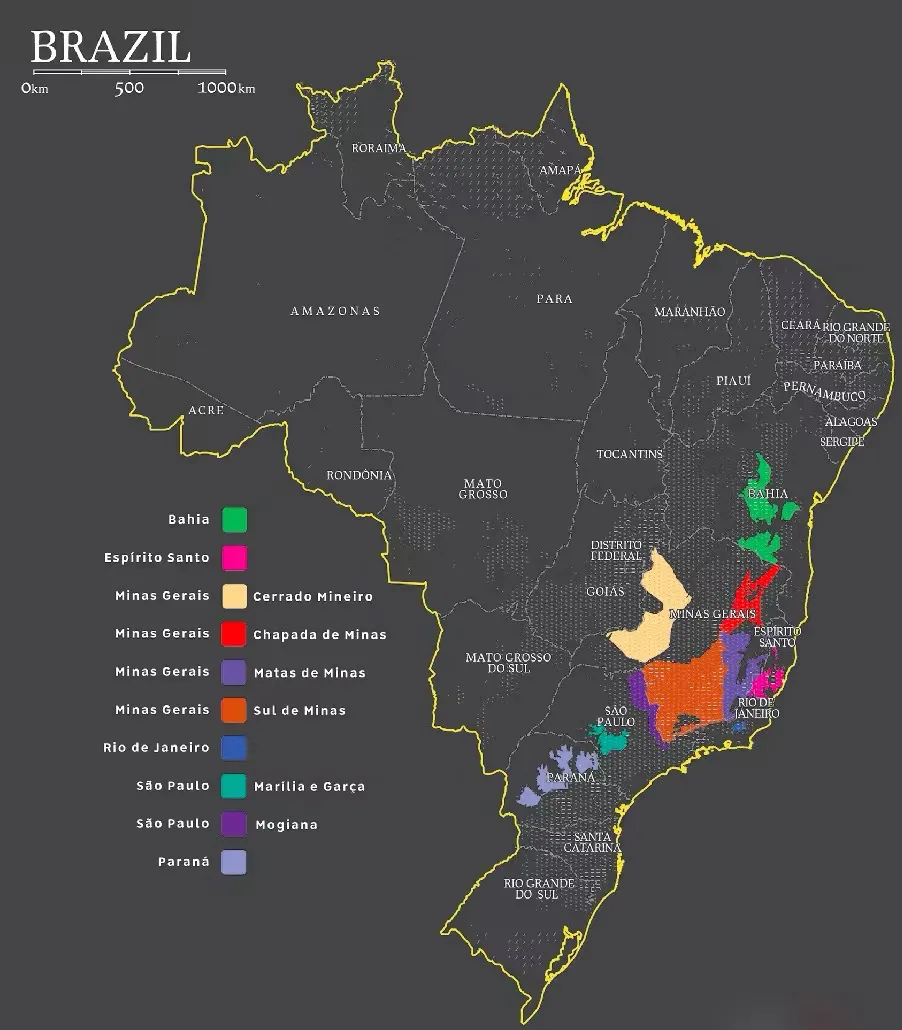
In summary, Brazil is not only a pillar of global coffee supply but also holds a notable place in the specialty coffee arena. From the steady richness of Cerrado to the high-altitude refinement of Alta Mogiana, these regions and estates showcase the diversity of Brazilian coffee while offering consumers a wealth of choices. Understanding the characteristics of these regions and their representative farms helps coffee lovers better discern flavor profiles during selection or brewing, and appreciate the stories and craftsmanship behind each bean.
The above content is compiled by CoffeeHunters, a coffee news website.


