








Introduction:While espresso is often made from blends, coffee beans from different origins can exhibit distinctly unique flavor profiles when extracted as espresso. This article delves into the espresso characteristics of major coffee-producing regions such as Brazil, Ethiopia, Indonesia, and Colombia — from flavor profiles to suitable brewing methods — helping you choose the beans that best suit your personal taste, whether single-origin or blended, enabling more precise selections.
Although most espresso is made using blended beans, beans from each coffee origin still showcase their own unique flavor personalities during espresso extraction. Understanding these regional characteristics allows you to more accurately select beans that match your taste preferences, whether you prefer single-origin espresso (SOE) or blends, thereby enhancing your extraction experience.
As one of the world’s top coffee-producing countries, Brazil plays a pivotal role in the world of espresso. Its beans are characterized by foundational flavors of nuts, chocolate, and caramel. When extracted into espresso, they present low acidity, high sweetness, and a rich, full-bodied mouthfeel, often accompanied by aromas of roasted hazelnuts and milk chocolate. This steady and layered profile makes Brazilian beans a cornerstone of many espresso blends, especially suited for those who enjoy a bold and intense cup. When Brazilian single-origin beans are used to make espresso and paired with milk, the nutty notes and creaminess blend seamlessly, creating a smooth and well-balanced latte flavor.
In contrast, Ethiopian espresso exhibits vibrant characteristics. As the birthplace of coffee, this origin is known for its bright floral and fruity aromas, as well as lively acidity. When Ethiopian beans are used for espresso extraction, the cup often exudes aromas of citrus, jasmine, and berries, with clarity in acidity that is not overly sharp, and a relatively light body. Particularly, Ethiopian beans processed with the natural (sun-dried) method tend to yield more intense blueberry and ripe fruit sweetness in the espresso; whereas washed processed beans offer a cleaner and softer taste. Ethiopian single-origin espresso is ideal for drinking straight or making Americano — adding water highlights the fruity and floral notes, making it perfect for coffee lovers who prefer a refreshing flavor.
Coffee beans from the Indonesian region showcase deep and rich characteristics in espresso. Represented by Mandheling, Indonesian beans are mostly processed using the wet-hulled (Giling Basah) method, delivering herbal, cedarwood, and dark chocolate flavor tones, with extremely high body and a round, full mouthfeel. Under espresso extraction, the deep woody aroma and long-lasting chocolate aftertaste of Mandheling make each sip feel substantial. This type of single-origin espresso is particularly suitable for those who enjoy a bold flavor, and when used in blends, it can effectively enhance overall body and flavor complexity.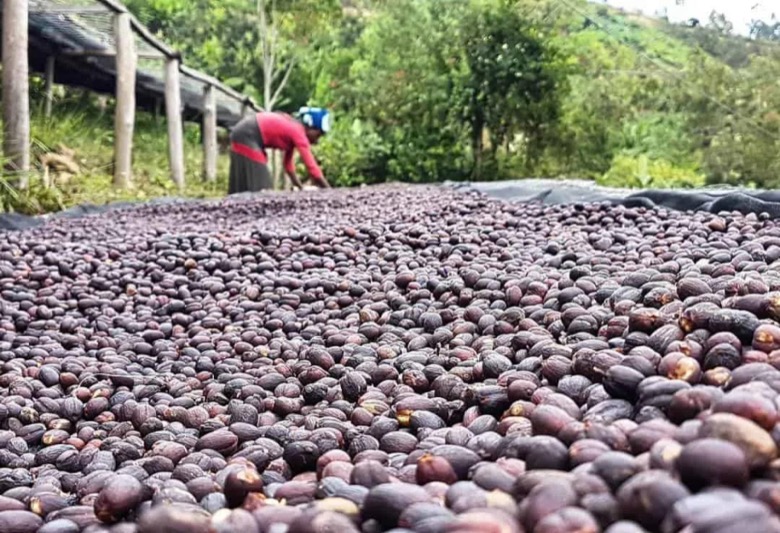
Coffee beans from the Colombian region, on the other hand, demonstrate balanced characteristics in espresso. With moderate acidity, caramel-like sweetness, and a clean mouthfeel, Colombian beans perform steadily in espresso — offering both the richness of nuts and the softness of fruity acidity. The cup profile of single-origin Colombian espresso is round and smooth, displaying good adaptability whether used in milk-based drinks or Americanos, making it a highly versatile choice among espresso beans.
Both single-origin espresso (SOE) and blended espresso have their own unique appeal. Single-origin espresso allows you to clearly experience the terroir characteristics of a specific region, with distinct and vivid flavor personalities; whereas blended espresso, through the artful combination of multiple beans, presents a more balanced and layered taste. In daily consumption, you can flexibly choose based on different occasions: when enjoying a milk-based coffee in the morning, a blend provides a rich and stable base; while during leisure time, trying a cup of single-origin espresso lets you savor the unique charm of a specific origin. Understanding the espresso style traits of each origin will make you more adept at selecting espresso beans, allowing you to enjoy a deeper and more fulfilling coffee experience.
The above content is compiled by CoffeeHunters, a coffee news website.

