








Introduction:Thanks to its low-temperature slow extraction characteristics, cold brew can highlight the unique flavor profiles of beans from different regions. This article analyzes how major producing areas such as Ethiopia and Brazil perform in cold brew, from bright fruity acidity to rich nutty sweetness, helping you choose the right coffee beans based on your taste preferences and master the essence of cold brew flavors.
The flavor profile of cold brew is largely determined by the origin characteristics of the coffee beans. Through a low-temperature, long-duration steeping method, it not only gently extracts the sweetness and aromatic compounds in the coffee, but also effectively reduces bitterness and intense acidity. This allows the unique flavors of each region to be presented softly yet clearly during the cold brew process, with distinct layers and delicate nuances.
First and foremost is Ethiopia—this region is regarded as the representative of fruity acidity in cold brew. In particular, Ethiopian beans processed using the natural (sun-dried) method release vivid berry and citrus acidity during cold brewing. The mouthfeel is refreshing and lively, resembling a tea drink that blends floral notes with naturally fermented fruit aromas. Since the natural processing preserves a rich layer of mucilage, these substances yield particularly pronounced sweetness and fruity aroma under low-temperature extraction. The overall cold brew liquid exhibits a fresh texture reminiscent of a blend of blueberries and citrus, delivering a crisp yet deeply layered taste.

In contrast, the cold brew style of the Brazilian region showcases a distinctly different charm. Brazilian beans are known for their nutty, chocolatey, and caramel tones, and under the cold brew technique, these steady flavors are gently brought out, with bitterness further subdued, making the nutty sweetness even more prominent. Take beans from Brazil’s Cerrado region as an example—after cold brewing, the first sip reveals intense hazelnut and cocoa aromas, with a long-lasting sweet richness, and a finish that carries the smooth texture of milk chocolate. The overall mouthfeel is full-bodied yet not overwhelming, making it highly suitable for coffee lovers who prefer rich sweetness.
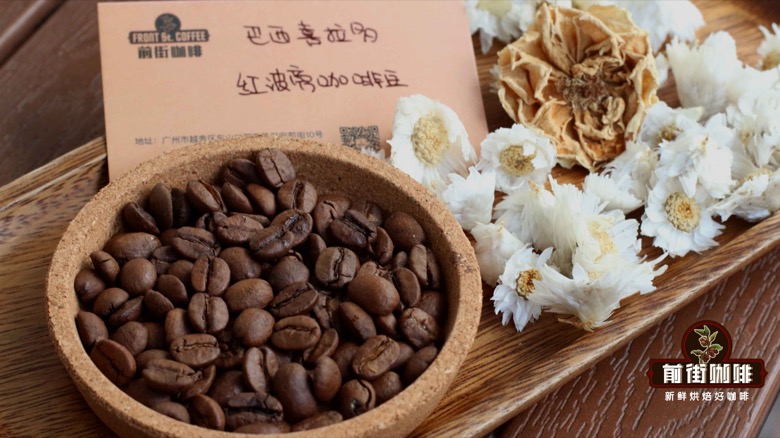
As for the Colombian region, its performance in cold brew lies somewhere between the bright fruitiness of Ethiopia and the steady nuttiness of Brazil, exhibiting a balanced sweetness of caramel and nuts. It not only carries subtle hints of fresh fruit acidity but also offers a rounded, full-bodied nutty finish. Its broad adaptability makes it a top choice for many cold brew beginners. Additionally, flavors commonly found in Guatemalan beans—such as chocolate and spices—as well as the unique blackcurrant acidity of Kenyan beans, can also showcase distinctive individuality during the cold brew process.
After understanding the flavor differences of various regions in cold brew, selecting the right coffee beans becomes more targeted. If you’re drawn to vibrant acidity like that of fruit juice, Ethiopian natural beans are a great choice; if you prefer a rich and sweet mouthfeel, Brazilian or Colombian beans can meet your needs. The cold brew flavors of different regions each have their own charm, and through repeated comparative tastings, you can gain a deeper appreciation of how low-temperature extraction interprets the unique character of coffees from around the world. Choosing a regional bean that matches your personal taste not only allows the sweetness and body of the cold brew to naturally shine, but also lets you enjoy every nuanced and thought-provoking sip of coffee.
The above content is compiled by CoffeeHunters, a coffee news website.

