







Introduction:In response to the issue of customers occupying seats without ordering, an increasing number of coffee shops have adopted a "seat-occupancy requires purchase" policy, which has sparked complaints and controversy among consumers. This article delves into a 12315 complaint case, explores whether clear signage by the shop constitutes forced consumption, and provides practical advice to help businesses balance operations and customer service.
In the operation of coffee shops, the phenomenon of "sitting without ordering" has long plagued operators, especially independent cafés that face fixed costs such as rent and labor, making it even harder to tolerate prolonged seat occupation without consumption. Recently, a coffee shop implemented a "seat-occupancy requires purchase" rule, first receiving negative reviews and then being anonymously reported to the 12315 platform, sparking industry discussion. Regulatory authorities responded by stating that as long as there is clear signage in the shop, it does not constitute forced consumption, providing legal grounds for the business.
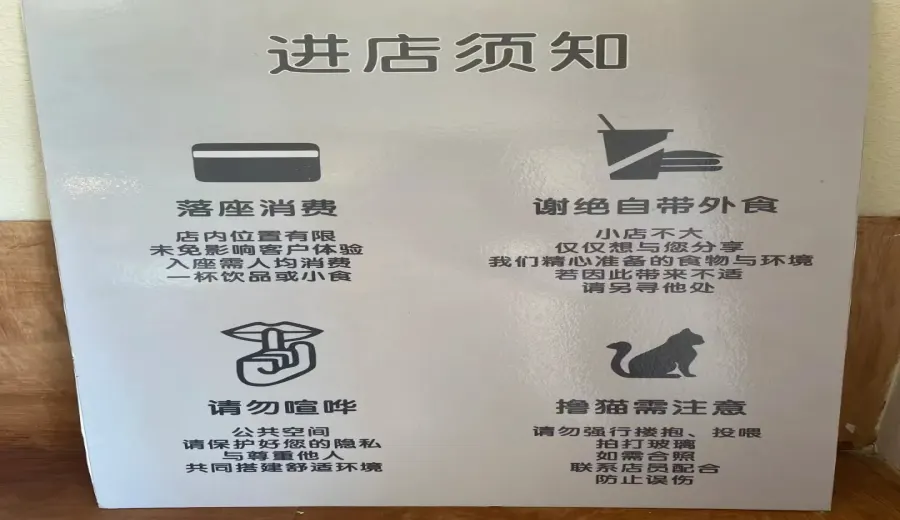
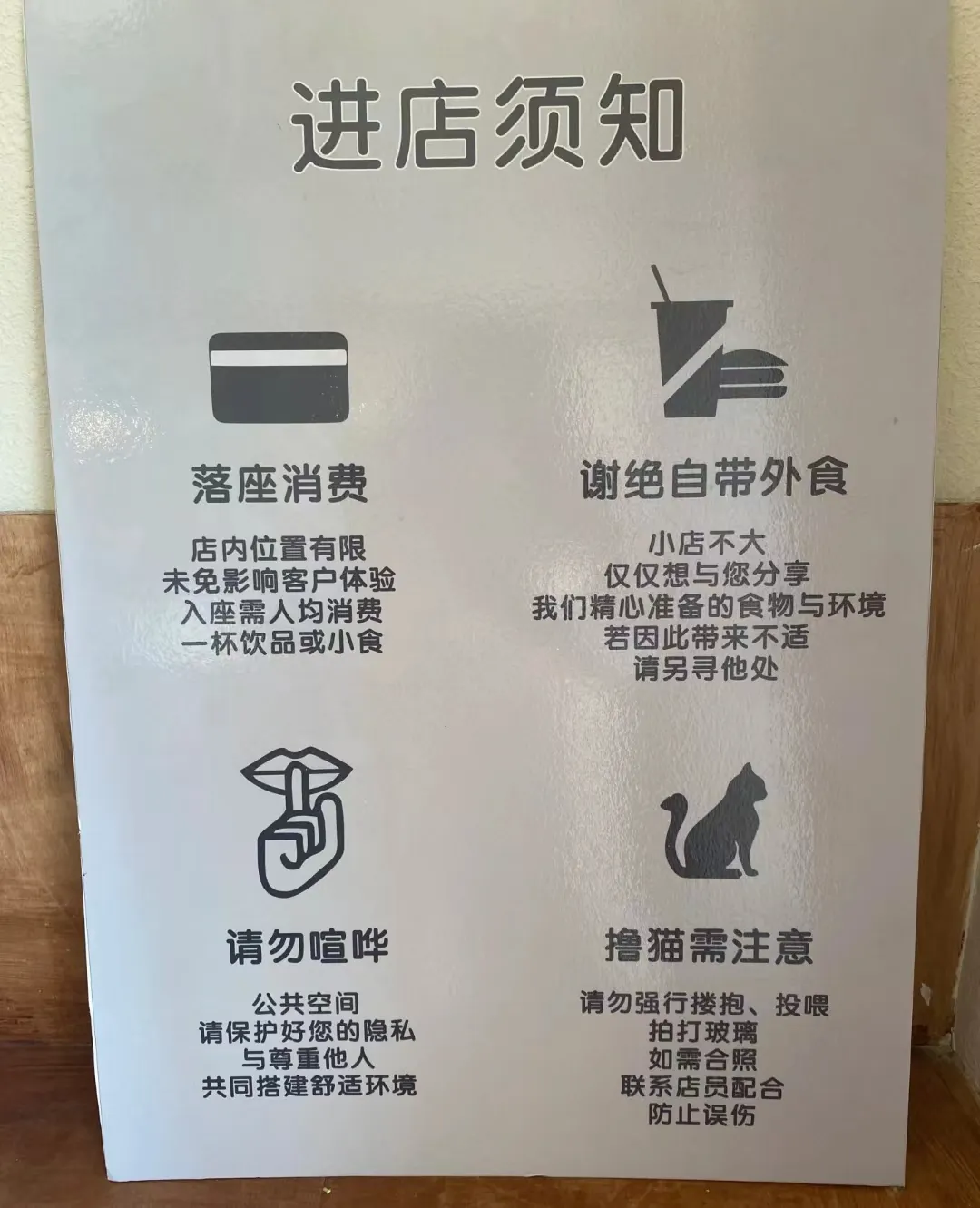
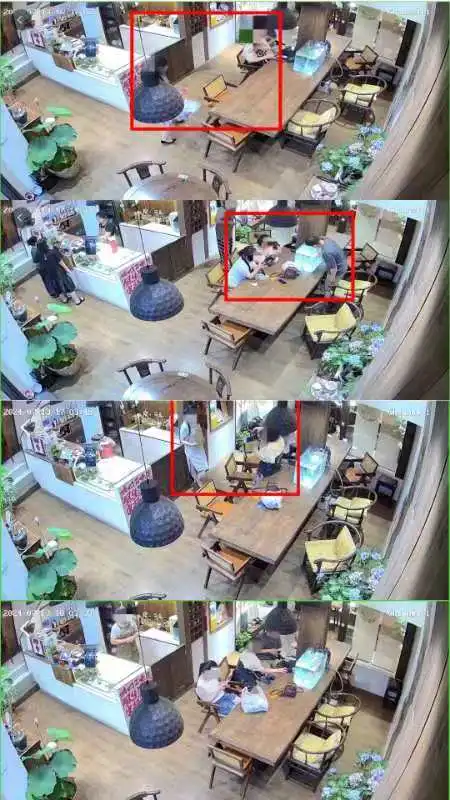
The incident originated when a shop owner shared their experience: a customer entered the shop, did not purchase anything, but occupied a seat for an extended period for commercial photography, even damaging the in-store decorations. Despite multiple reminders from staff, the customer refused to place an order and leave, citing “needing to go eat,” and left a negative review accusing the shop of “forced consumption.” To prevent similar situations, the owner posted multiple signs at the entrance, including a notice indicating “one seat, one purchase.”
A few days later, the shop received a notification from market regulatory authorities, stating that an anonymous report had accused it of “forced consumption.” The regulatory authorities made it clear that:As long as the shop has clear signage informing customers that occupying a seat requires making a purchase, it does not constitute forced consumption.This response gave the owner more confidence in dealing with those who occupy seats without consuming, and the owner called on fellow businesses to bravely defend their rights.
In fact, similar disputes have precedents. In the widely discussed online "Starbucks seating requires purchase" incident, lawyers pointed out: “Business operators legally have the right to occupy and use their premises, and current laws do not mandate that services (including seating) be provided to the public free of charge.” In other words, requiring customers to make a purchase to occupy a seat does not violate legal regulations.
Compared to chain brands, independent coffee shops often face the issue of "non-consuming seat occupants" more directly. Many operators post signs inside and outside their shops to remind customers to make purchases per person or even screen their clientele. Some shops, long troubled by "freeloaders," have directly established fee clauses in their menus targeting those who "just sit without buying."
From an operational perspective, expenses such as renovation, rent, staff salaries, and utilities are all fixed costs, which need to be supported by the income from each cup of coffee or meal. As a result, almost no independent coffee shop can tolerate customers occupying seats without consuming over the long term. For operators, establishing a reasonable seat-occupancy purchase policy is a necessary measure to maintain operations.
However, in practice, operators may still face pressure in terms of interpersonal relationships. Social media platforms are full of shop owners complaining about the frequent appearance of “non-consuming seat occupants,” sparking intense online debates over whether “purchase-required seating” is reasonable. How to protect their own rights while also taking customer experience into account has become an issue that operators need to consider.
In summary, as long as operators clearly post signage in their shops stating that occupying a seat requires making a purchase, it not only complies with legal regulations but also effectively reduces the occurrence of non-consuming seat occupancy. Operators can flexibly adjust the content and enforcement methods of the signage based on their own business strategies, balancing operational needs with customer service.
The above content is compiled by CoffeeHunters, a coffee news website.


