







Introduction:Recent conflicts in the Red Sea have intensified, with deteriorating shipping safety affecting the global coffee supply chain. As coffee beans are a commodity highly reliant on sea transport, disrupted shipping routes have driven up costs, with freight rates on the Europe-Asia route rising and import-export channels for African producers such as Ethiopia also being impacted. This article delves into how the Red Sea crisis is influencing coffee trade and explores how shipping companies are responding to the challenges.
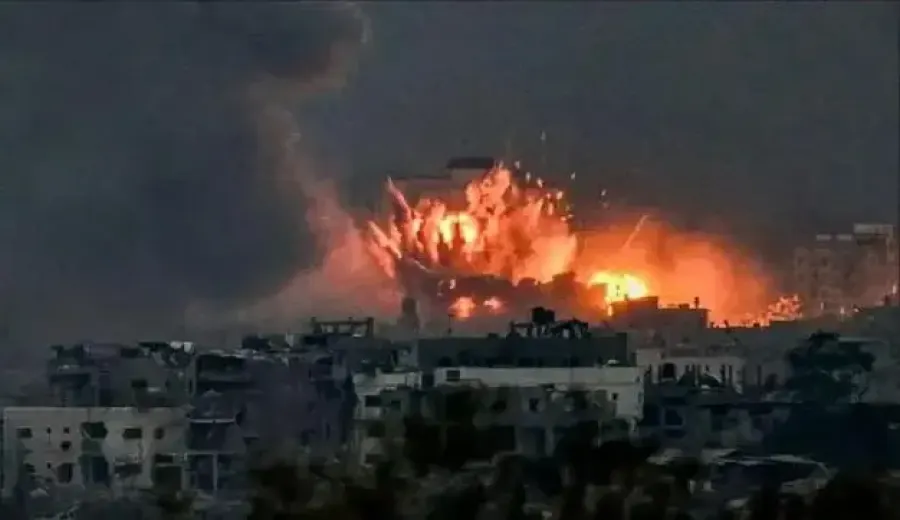
The security situation in the Red Sea continues to worsen. Within the past 24 hours, a crude oil tanker was attacked four times, while military confrontations between the U.S.-UK coalition forces and the Houthi militants have escalated simultaneously. These events not only threaten international shipping safety but also trigger a chain reaction in global coffee trade. As coffee bean transportation is extremely dependent on sea routes, costs on the Europe-Asia route have soared, and import-export channels for African producers such as Ethiopia have been obstructed, leading to reduced supply chain efficiency.
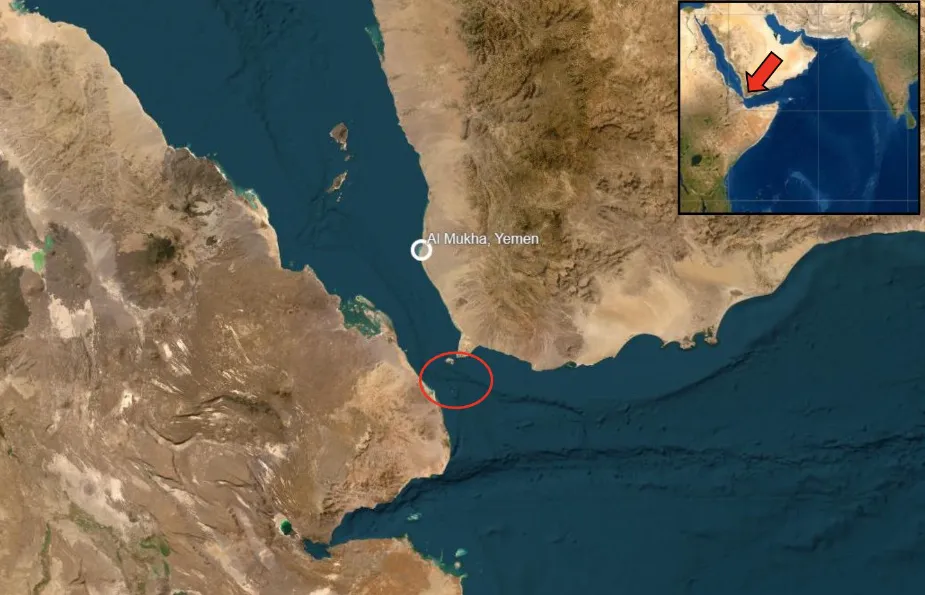
According to U.S. sources, on August 13 local time, the U.S. Central Command announced the destruction of two Houthi vessels in the Red Sea area. The day before, the Houthi militants claimed that the U.S.-UK coalition had launched airstrikes on Yemen’s Hudaydah Governorate. Prior to that, the UK Maritime Trade Operations (UKMTO) reported that a crude oil tanker in the waters near Mocha port in Yemen was subjected to four consecutive attacks within 24 hours.
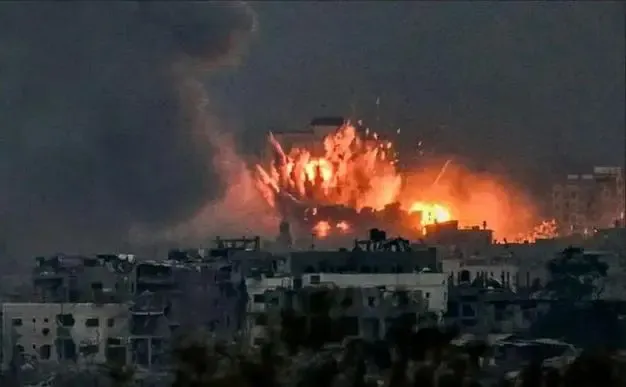
The tanker was first approached by two small boats, from which a rocket was launched, with the explosion occurring 45 nautical miles south of Mocha Di. Several hours later, another explosion took place in the early hours of the morning, followed by a third attack in which small boats approached and were subjected to unmanned surface vessel and missile attacks, totaling four attacks. The captain stated that although rockets exploded near the hull, both the crew and the vessel remained unharmed. The identity of the attackers has not yet been confirmed, but they are likely linked to the Houthi militants, and relevant agencies are currently investigating.
Since November 2023, the Houthi militants have continuously attacked international shipping targets in the Red Sea. According to Houthi data, from November last year to mid-July, a total of 170 ships were attacked. From mid-July to early August, although no new ship attacks were recorded, the Houthi militants previously claimed to have attacked the U.S. destroyers USS Cole and USS Laboon, as well as Red Sea commercial vessels, though some claims were not confirmed by U.S. officials.
The current situation indicates high tension in the Red Sea, with escalating attacks continuing to threaten international shipping safety. Multiple shipping companies have either suspended transport through the area or opted to reroute around the Cape of Good Hope in Africa, leading to a significant rise in shipping costs and affecting the efficiency of international trade.
Global coffee trade has also been affected, as coffee beans are almost entirely dependent on sea transport. Disruptions on the Europe-Asia route have increased the cost and time for Europe to source coffee from Asia. For African producers such as Ethiopia, whose main port, Djibouti Port, is located in the Red Sea region, import-export operations have been hindered, further impacting the global coffee supply.
The shipping giant Maersk’s second-quarter financial report shows a 45% year-on-year decline in net profit, primarily due to supply chain disruptions caused by the tense situation in the Red Sea, which have driven up operating costs. Maersk’s CEO pointed out that due to high market demand and the ongoing severity of the Red Sea situation, global supply chains are expected to remain under pressure by the end of this year.
The above content is compiled by CoffeeHunters, a coffee news website.


