







Introduction:When faced with two top-tier Geisha coffees — Panamanian Esmeralda Green Tip Red Label and Gesha Village Gold Label — many coffee enthusiasts often hesitate when deciding which to purchase. Both belong to the high-end specialty grade, yet their Chinese names “Red” and “Gold” make it difficult to discern their true quality levels and differences. This article delves into the naming origins, variety backgrounds, growing conditions, and actual pour-over flavor profiles of both, providing a detailed comparison of their characteristics along with extraction parameter references to help you find the one that best suits your taste.
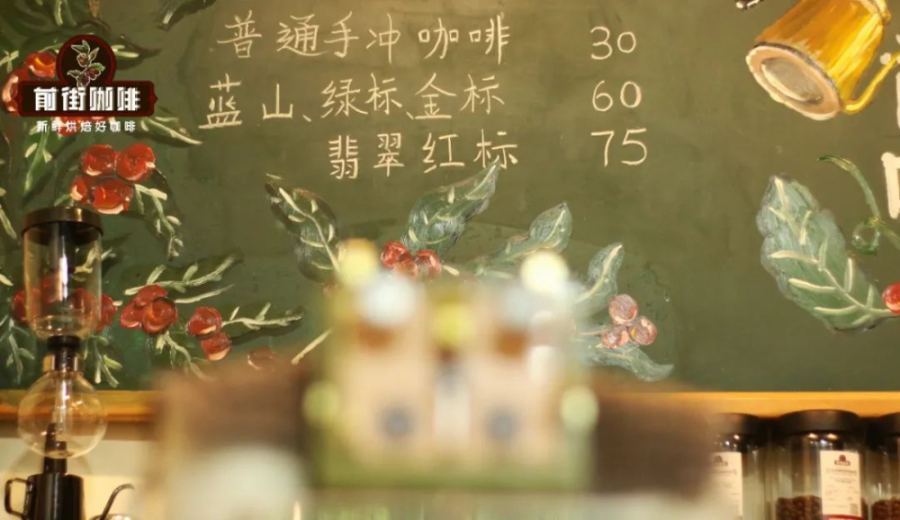
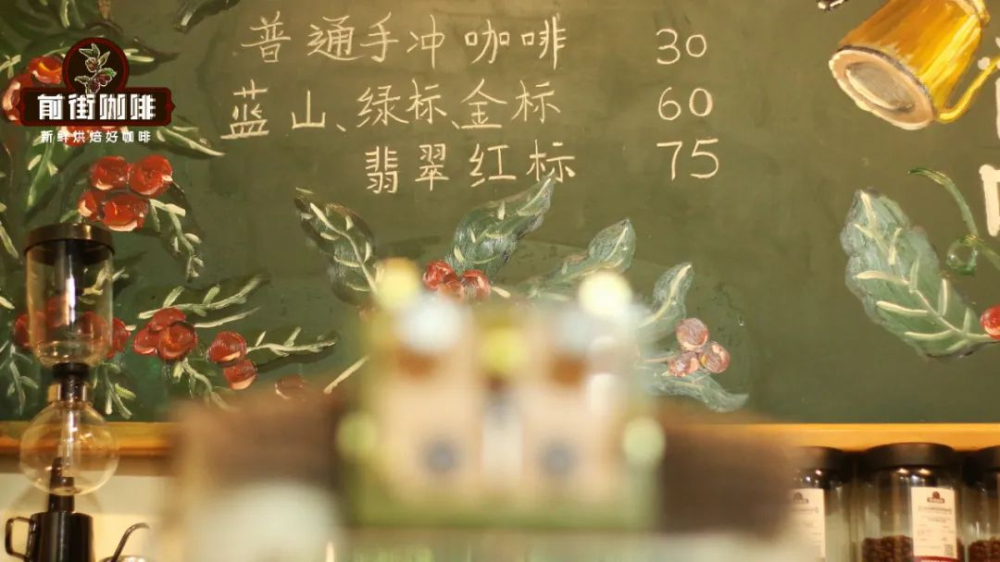
In the world of specialty coffee, Geisha is undoubtedly one of the most celebrated star varieties. For many beginners or those looking to try something new, the Red Label Geisha from Panama’s Hacienda Esmeralda and the Gold Label Geisha from Gesha Village are often at the top of their lists. However, apart from price differences, these two top-tier beans also vary greatly in origin, the stories behind their varieties, and flavor profiles. Many customers, upon seeing “Red Label” and “Gold Label” written on the chalkboard at cafés, often wonder: which one is more worth buying? And how do their flavors differ?
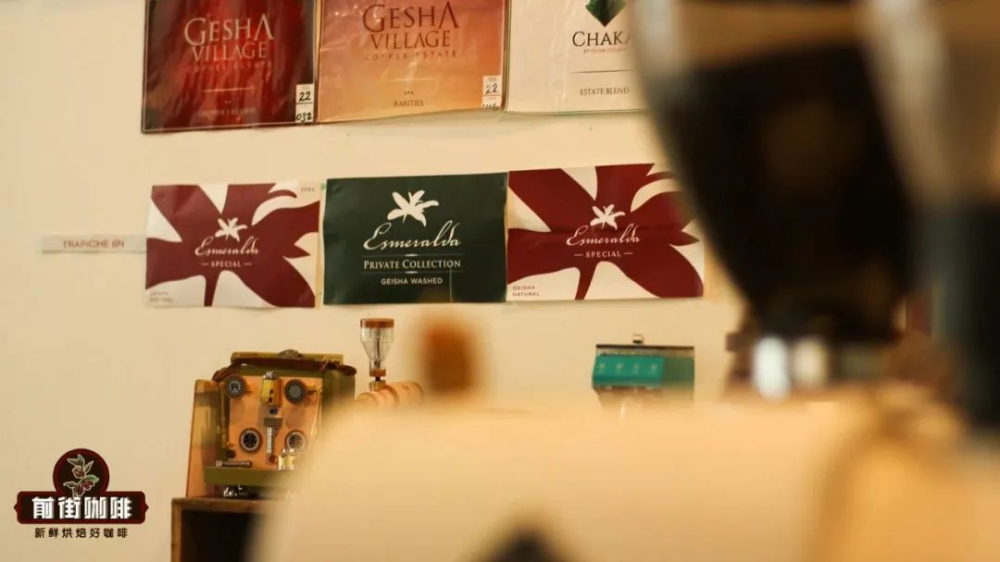
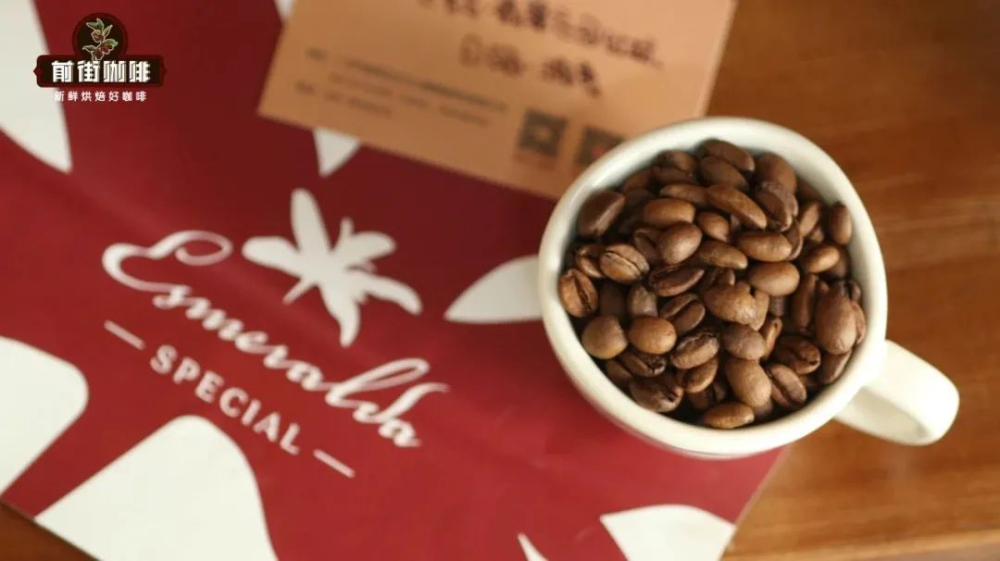
Let’s first uncover the secrets behind these “labels.” In the Chinese market, we’re accustomed to using colors to distinguish Geisha grades — such as Red Label, Gold Label, Green Label, or Blue Label — to intuitively represent premium products from specific farms. While this naming convention helps consumers quickly understand product positioning, it is only used within the Chinese-speaking sphere. In fact, these labels have no direct English equivalents. For example, the original English name for the Esmeralda Red Label is “Esmeralda Special,” meaning “Esmeralda Selection,” representing the highest-grade Geisha from that farm. It requires a cupping score of 91 or above, and each batch clearly indicates detailed origin information.
As for the Gold Label from Gesha Village, its English name is “Rarities,” meaning “rare treasures,” and it is a premium product line from the farm (though not including auction lots). The “Gold” in its name comes from the dominant color tone of the packaging or label. This bean accounts for only about 10% of the farm’s total production, and each batch also clearly indicates the growing region and processing details. Although such color-based grading is straightforward and easy to understand in the Chinese market, it can easily lead to confusion in international markets or when referring to English materials due to inconsistent naming. It’s recommended that when ordering or purchasing, you directly ask which farm and which grade the coffee is, to avoid buying the wrong one.
Now let’s look at the varieties. Although both are called “Geisha,” they are actually different branches from the same family. It is generally believed that the Panamanian Geisha we know today originates from coffee trees collected in the 1930s from the Gesha region of Ethiopia (located in the southwest, near the South Sudan border), which was later cataloged by CATIE (Centro Agronómico Tropical de Investigación y Enseñanza) as a disease-resistant variety under the number geisha T2722. In 2004, this bean shot to fame in the Best of Panama (BOP) competition, sparking the Geisha craze ever since.
The “Geisha 1931” from Gesha Village, on the other hand, is a variety selected by the farm’s owner, Adam, during an era when genetic matching technology was not yet mature. Based on the appearance and flavor characteristics of Panamanian Geisha, he chose varieties from Ethiopia’s vast Gesha region that had flavors similar to those of the Esmeralda Geisha, and named it after 1931 — the year the Geisha variety was first discovered. Although it is often regarded in the market as a “close relative of Panamanian Geisha,” there is no scientific evidence proving it is entirely the same as T2722; it can only be described as a “distant relative” with similar flavor profiles.
The differences in origin have also resulted in distinctly unique terroir expressions for these two Geishas. The Esmeralda farm is located in the Boquete region of Chiriquí Province, Panama, known for its high altitude (usually above 1,400–1,800 meters), fertile volcanic soil, and a microclimate with significant day-night temperature variations. These conditions allow the T2722 variety to exhibit rich floral and honey notes, as well as soft nutty and creamy tones. Gesha Village, on the other hand, is situated in Ethiopia’s Bench Maji region, surrounded by jungle, also at extremely high altitudes (minimum over 1,900 meters). The cooler environment slows the ripening process of the coffee cherries, helping accumulate more complex flavor compounds, resulting in more vibrant fruit acidity and a sense of native spices.
Speaking of the actual drinking experience, both Geishas on the shop’s menu are currently processed using the natural (sun-dried) method, which is more conducive to developing intense flavor profiles. The Esmeralda Red Label comes from the Jaramillo region within the Boquete area, specifically the Buenos Aires plot; the Gesha Village Gold Label comes from the Oma plot. This comparison uses the same pour-over parameters: 15 grams of coffee, EK43 grinder at setting 10, 80% sieving rate through a No. 20 sieve, a 1:15 coffee-to-water ratio, 92°C water temperature, using a three-stage pour and V60 filter cone, all to fairly present the intrinsic flavor profiles of both beans.
In terms of dry aroma, the Gold Label Geisha is dominated by bright citrus notes, particularly the fresh, zesty acidity reminiscent of orange peel, which is very appealing; while the Esmeralda Red Label emits soft sweet aromas like rose, dried fruit, apricot, along with a hint of nutty and toffee warmth, leaning more toward a sweet and mellow profile. As for the flavor, the Gold Label immediately presents bright acidity with notes of blueberry, cherry, honeydew, and magnolia, offering clear layers and a clean mouthfeel; as the temperature drops, it leaves a unique lingering aftertaste resembling that of xiaoqinggan (a type of citrus). In contrast, the Esmeralda Red Label features more abundant tropical fruit flavors, with distinct notes of mango and tropical berries upon entry. Upon closer tasting, one can also detect complex aromas of jasmine, cranberry, and fruit candy, with a long and full finish. Its overall flavor structure is more three-dimensional, so the shop’s team believes the Esmeralda Red Label edges out slightly in complexity and layering.
In summary, if you prefer a Geisha with bright fruit aromas, lively acidity, and a refreshing citrus profile, the Gesha Village Gold Label is an excellent choice for either an entry-level or everyday high-end option. But if you favor a more floral, richly layered fruit profile with a long-lasting aftertaste, then the Esmeralda Red Label — although slightly pricier — offers a more refined and nuanced experience, which may better match your expectations. Whichever you choose, it is recommended to use a medium-fine grind, slightly higher water temperature (around 90–92°C), and extract through multiple pours to fully bring out the various aromas and flavors, allowing you to fully experience the true charm of these two top-tier Geishas.
The above content is compiled by CoffeeHunters, a coffee news website.


