







Introduction:How did Colombia rise from turmoil to become the world’s third-largest coffee producer? This article delves into how the country’s unique terrain and climate foster diverse-flavored coffee beans, introduces the characteristics of six key producing regions, and reveals the cultivation secrets of renowned farms in Huila Province — an essential regional guide for pour over coffee enthusiasts and specialty bean explorers.
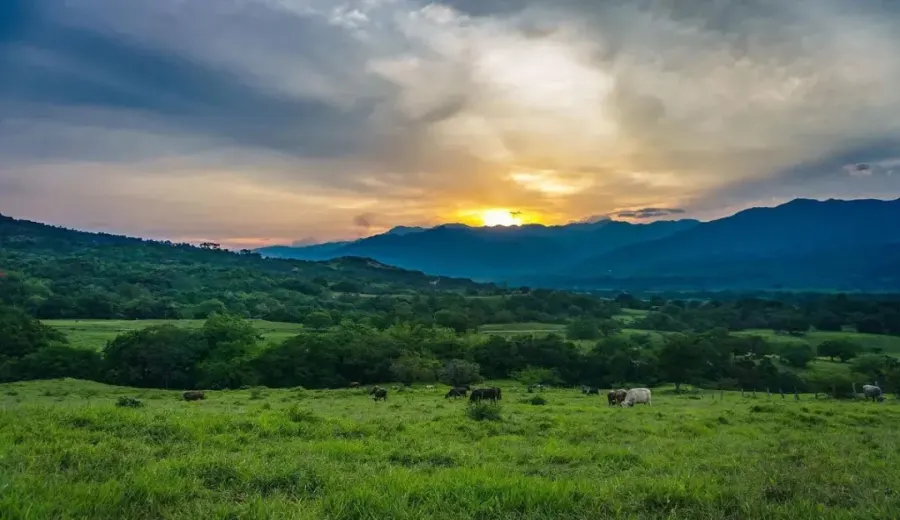
South America is not only home to the magnificent Andes Mountains but also dotted with volcanoes due to its geologically active nature, resulting in mineral-rich fertile soil. Combined with the interplay of tropical and highland climates, it has created globally renowned coffee-growing regions, among which Colombia stands out particularly. As the world’s third-largest coffee exporter, Colombia benefits from its three Cordillera mountain ranges stretching across the west and an average altitude exceeding 3,000 meters, enabling year-round coffee harvesting. This allows coffee to ripen in varying microclimates, developing rich and layered flavors.
Colombia’s coffee history has not been without challenges. Although coffee cultivation was introduced as early as the 18th century, initially taking root in the Antioquia region, the frequent civil wars of the 19th century severely impacted agricultural development, leaving many coffee farms abandoned and the industry nearly halted. It wasn’t until after the war that the government implemented land reforms, redistributing idle land to farmers and adopting low-price policies to encourage cultivation, gradually revitalizing the sector. The establishment of the National Federation of Coffee Growers of Colombia (FNC) was the true turning point that firmly established Colombian coffee on the international stage. Headquartered in Medellín, this organization represents over 560,000 coffee farming families across 22 departments and 590 municipalities. It not only successfully positioned coffee as a major export commodity but also through unified quality control and marketing strategies, secured Colombian coffee a solid place in the global market.
Colombia has a total of fifteen major coffee-producing regions, each with unique flavor profiles shaped by differences in altitude, microclimate, and soil composition. Notable regions include Cauca, Santander, Antioquia, Nariño, Tolima, and Huila. Among them, Huila — also known as Neiva — located in the southwest of Colombia, is one of the most prominent specialty coffee-producing areas.
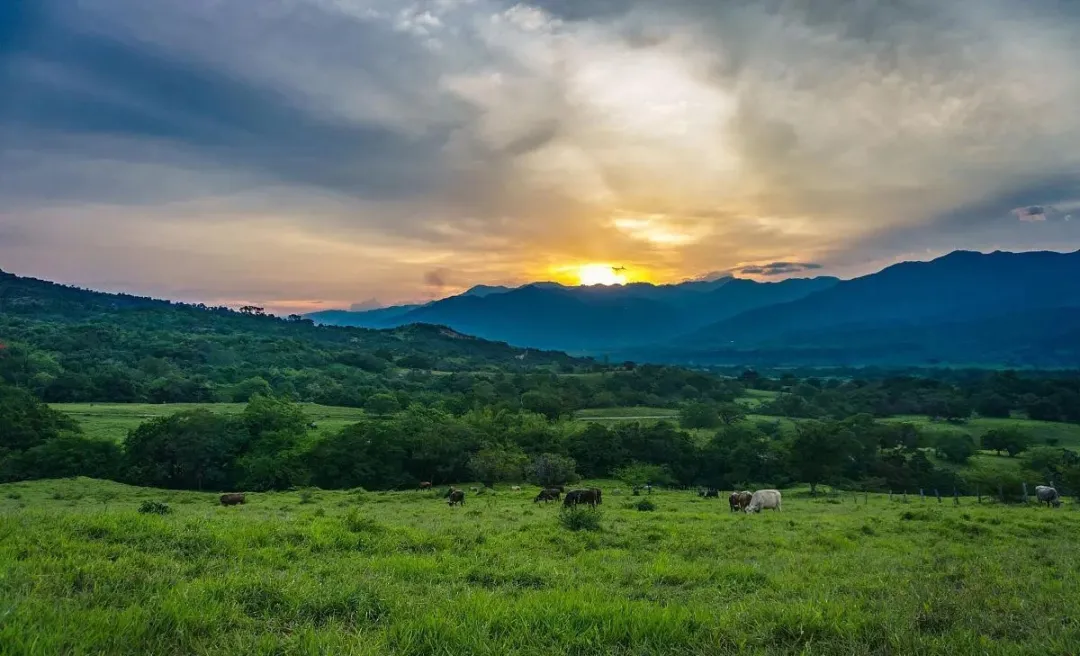
Huila is situated in the canyonous terrain of the Andes Mountains, surrounded by mountains and volcanoes, with the Magdalena River flowing through it. Coffee farms are mostly located on slopes at altitudes above 1,500 meters, on both sides of the river. The town of Pitalito, the most representative hub in the region, not only enjoys ideal growing elevations but also benefits from stable microclimates and significant day-night temperature variations, allowing coffee cherries to ripen slowly and accumulate richer flavor compounds. The volcanic ash soil here is rich in potassium, phosphorus, and calcium, helping coffee trees absorb nutrients while enhancing disease resistance. Washed Huila beans are a classic choice for beginners, typically showcasing mild fruity acidity paired with nutty, dark chocolate, and caramel undertones, along with a noticeable sweetness and well-balanced overall flavor — making them highly suitable as practice beans for pour over brewing.
Among the many high-quality farms in Huila, El Diviso and El Rorble are two standout stars. Particularly noteworthy is El Rorble, located southwest of Pitalito Town and named after the several ancient oak trees preserved within its grounds. It is currently managed by Dionel Chilito, the third-generation coffee farmer of the Chilito family. Dionel not only carries on the family legacy but is also committed to improving cultivation and post-harvest processing techniques. He continuously introduces diverse coffee varieties and enforces strict standards across all stages including harvesting, sorting, grading, and washed processing. He also places great emphasis on farm hygiene and sustainable management to ensure that every batch of beans delivers consistent and high-quality flavor. This dedication to detail has earned El Rorble numerous accolades in domestic and international evaluations, making it a must-visit representative farm for exploring Colombian specialty coffee.
The above content is compiled by CoffeeHunters, a coffee news website.


