







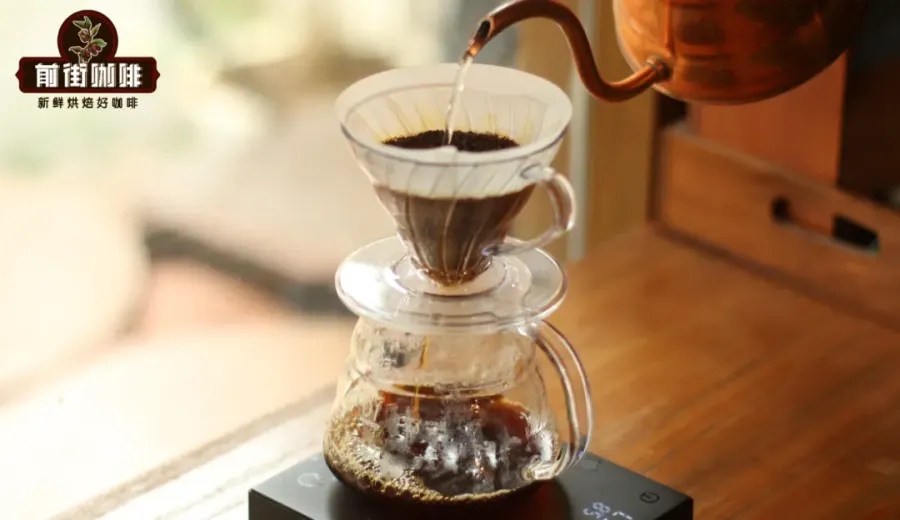
Introduction:The flavor of pour over coffee depends not only on the coffee beans and brewing parameters, but also—and crucially—on pouring technique. Many coffee enthusiasts often overlook factors such as water flow height, pouring point, and swirling motion, leading to uneven extraction or excessive channeling. This article takes an in-depth look at three common pouring mistakes: inconsistent water flow levels, excessively high water flow, and hitting the edge of the filter paper, and provides specific improvement tips to help you precisely control your water flow and consistently brew well-balanced pour over coffee.
During the pour over brewing process, many people tend to focus on aspects like coffee bean quality, coffee-to-water ratio, or water temperature, yet often neglect the profound impact of pouring technique on the final flavor. In reality, the height of the water stream, the swirling radius, and the location where water hits the coffee bed directly affect the stirring efficiency of the coffee grounds and the overall uniformity of extraction. Mastering the correct pouring method can effectively avoid common errors, reduce the interference of channeling, and thereby enhance the flavor performance of your coffee.
Many people brewing pour over coffee at home often encounter issues with unbalanced taste or under-extracted coffee. Their first instinct is usually to check the coffee-to-water ratio or water temperature settings, but they rarely suspect that the problem lies with their pouring technique. However, the water stream is not just a means of liquid delivery—it plays a key role in stirring the coffee bed and facilitating the release of coffee compounds. If the pouring method is improper, even correct parameter settings may lead to extraction failure.
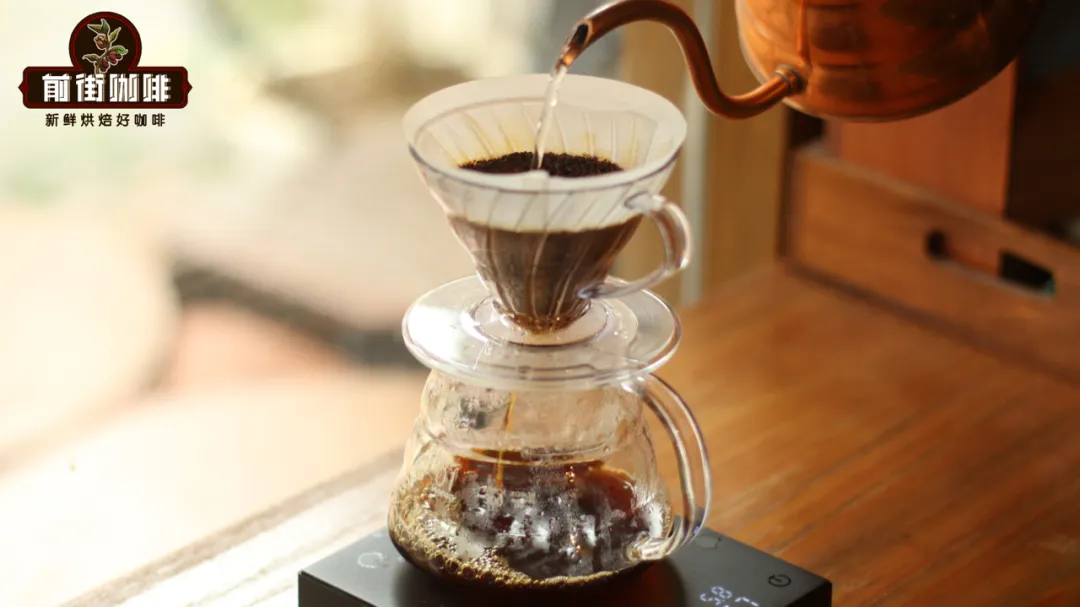
To understand the importance of pouring, one must first grasp how water interacts with the coffee bed. When we pour hot water onto the coffee grounds, the force of the stream varies depending on the height from which it falls. This force penetrates the coffee bed, causing the coffee particles to shift and mix, which in turn influences the rate at which flavor compounds are released. In short, the strength and stability of the water flow directly alter the extraction efficiency and flavor profile of the coffee. Therefore, learning to control your pouring technique is a fundamental skill every pour over enthusiast should master.
Below, we will take a detailed look at three common pouring mistakes, explain how they lead to uneven extraction or flavor flaws, and offer improvement suggestions to help you brew more consistently delicious pour over coffee.
Common Pouring Mistake #1: Uneven Swirling (Inconsistent Water Height)
Many beginners use a swirling pouring technique when making pour over coffee, hoping to evenly saturate the coffee bed. However, without realizing it, many unintentionally vary the height of their pour while swirling, resulting in an inconsistent water flow that goes up and down—what we call “uneven swirling.” This unstable water flow leads to uneven agitation of the coffee bed, affecting extraction consistency.
In fact, the height of the pour directly affects the impact force of the water stream. A higher pour results in a more penetrating and stirring effect, while a lower pour creates a gentler flow with less influence on the coffee bed. If you constantly change the height while swirling, different areas of the coffee bed will experience varying degrees of agitation, leading to over-extraction in some zones and under-extraction in others—ultimately compromising the overall balance of flavors.
To avoid this issue, it’s recommended to maintain a consistent pouring height while swirling, ensuring the water flows evenly across the entire coffee bed and sustains a uniform extraction efficiency.
Common Pouring Mistake #2: Excessively High Pouring Height
Some coffee lovers believe that pouring from a greater height increases the water stream’s penetrating power, helping to better agitate the coffee grounds. While a higher pour does generate stronger impact, it can also backfire, leading to reduced extraction efficiency.
First, when the pouring height is too high, the increased surface area of contact between the water stream and air accelerates heat loss, possibly causing the actual brewing temperature to drop below the intended level—thereby affecting the release of coffee flavor compounds. Second, when the pour exceeds a certain height, the water stream may break into disconnected droplets rather than maintaining a steady flow. These droplets lack the necessary kinetic energy to effectively separate the top layer of the coffee bed, significantly weakening the stirring effect and ultimately resulting in under-extraction.
To maintain stable extraction efficiency, it is recommended to keep the pouring height about one fist’s length above the coffee bed surface (approximately 15 to 20 centimeters). This allows for adequate impact force without sacrificing water temperature or the continuity of the stream due to excessive height.
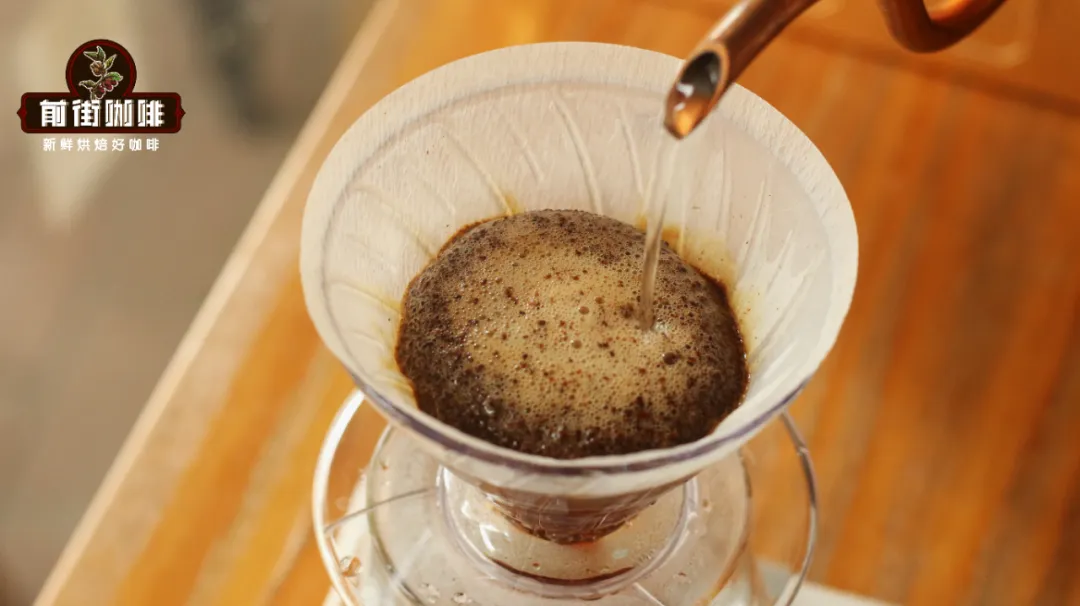
Common Pouring Mistake #3: Pouring Directly at the Edge of the Filter Paper
Another common mistake is pouring with too wide a swirl, causing the water stream to hit the gap between the filter paper and the filter cone—especially when using filter cones with protruding ribs (such as the V60). Because the filter paper doesn’t fully adhere to the walls of the cone, these gaps become pathways for channeling, allowing some hot water to bypass the coffee grounds and flow directly into the cup below. This dilutes the coffee concentration and lowers the overall extraction rate.
When hot water flows directly through the gaps at the edge of the filter paper, it not only fails to interact with the coffee grounds but may also carry away some of the already dissolved flavor compounds, resulting in a thin, weak-tasting cup with noticeably reduced concentration. This is a common occurrence during pour over brewing, yet many users remain unaware of its impact.
To minimize channeling, try to control the swirling radius while pouring, keeping the water focused on the central coffee bed area and avoiding contact with the seam between the filter paper and the filter cone. If you’re using a filter cone with prominent ribs, consider reducing the pouring speed slightly to allow the water to infiltrate the coffee bed more steadily, preventing it from directly breaking through the edge gaps.

In summary, the art of pouring in pour over brewing may seem simple, but it involves many nuanced details. From pouring height and swirling motion to where the water lands, each element affects the final extraction outcome. By avoiding the three common mistakes—uneven swirling, excessively high pours, and pouring at the edge of the filter paper—and applying the corresponding improvements, you’ll be able to more precisely control your pour over process and brew coffee with balanced flavor and rich complexity.
The above content is compiled by CoffeeHunters, a coffee news website.


