







Introduction:Want to learn how El Salvador transformed from an indigo-exporting nation to a specialty coffee powerhouse? This article takes you deep into the country’s largest coffee-growing region—Apaneca-Ilamatepec—to explore how its volcanic soil and high-altitude environment cultivate unique flavors, and analyzes the varieties and processing methods of this year’s COE sun-dried category runner-up, “Finca Ángel.” Plus, get expert tips on selecting and brewing to experience the coffee charm of Central America’s volcanoes.
Among the many Central American coffee-producing countries, El Salvador may not lead in output, but its uniquely favorable volcanic soil and diverse microclimates produce beans with distinct and layered flavors, earning widespread acclaim in the global specialty coffee market. This article begins with the historical evolution of the country’s coffee industry, illustrating its shift from the indigo trade to a coffee-based economy, and how it gradually transitioned to a quality-focused specialty path after civil war and land reforms. The focus is on the western region’s largest Apaneca-Ilamatepec producing area, analyzing its high-altitude cultivation environment and the ecological benefits of shade-grown farming, while also introducing the variety layout and terroir characteristics of this year’s COE sun-dried category runner-up, Finca Ángel, along with professional advice to help coffee enthusiasts make more informed choices.
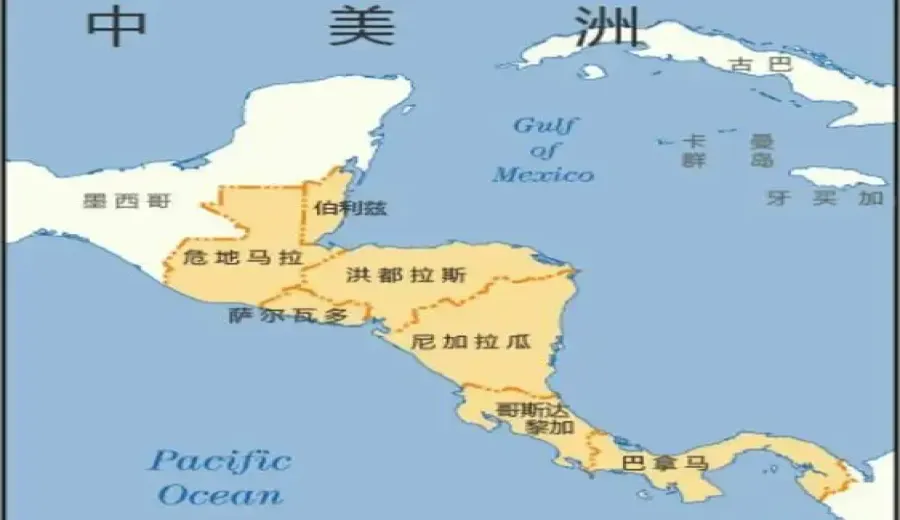
For a long time, agriculture has been the economic backbone of Central America, with tropical crops such as bananas, coffee, and sugarcane serving as major exports. This industrial structure is closely related to the region’s terrain—vast highlands, rugged mountains, and a volcanic belt stretching over 1,300 kilometers collectively shape the area’s unique geographical and climatic conditions. The fertile volcanic ash deposits brought by volcanic activity, along with the varied climate, have enabled several Central American countries to secure a place on the global coffee map, and El Salvador stands out among them. Although its total output is less than that of neighboring countries, its superior growing environment and flavor potential have always made it a focal point for coffee enthusiasts.
Before coffee cultivation took off, indigo—a natural dye—was El Salvador’s most important export commodity. However, in the late 19th century, with the rise of synthetic dyes and price competition, the indigo market gradually declined, and coffee quickly emerged as the country’s primary export crop. Notably, at that time, much of the land used for coffee cultivation was controlled by political elites, with some presidents even owning vast estates exceeding 6,000 hectares. These powerful figures, leveraging political and military force, compelled farmers to abandon their land and work under harsh conditions for low wages or even no pay. Nevertheless, they also invested in infrastructure, indirectly facilitating the rapid expansion of the coffee industry. By 1920, coffee accounted for 90% of El Salvador’s total exports; by 1970, the country had risen to become the world’s fourth-largest coffee producer.
However, this growth trend did not last. The civil war that erupted in 1979 and lasted until 1992 severely impacted the coffee industry. While the war destroyed much of the infrastructure, it also accelerated the process of land reform: large estates were divided, and land was redistributed to landless laborers. Today, about 95% of coffee growers in El Salvador manage farms smaller than 20 hectares. Although overall production has dropped significantly compared to the past, the industry has clearly shifted its focus toward improving quality and refining flavors.
A key driver of this transformation is El Salvador’s exceptional natural conditions. Known as the “Land of Volcanoes,” the country is home to 25 volcanoes, with mountainous and highland terrain dominating the landscape. The soil is extremely fertile due to volcanic ash deposits. The entire country has a tropical climate, but the mountainous regions enjoy relatively cool temperatures and receive over 1,800 mm of annual rainfall. Although urbanization has reduced forest coverage to just 11%, with 7% of that being coffee-growing areas, these regions play an important role in ecological conservation—over 90% of coffee trees grow under shaded conditions, which not only slows fruit ripening, enhancing flavor complexity, but also provides habitats for wildlife and aids in soil and water conservation.
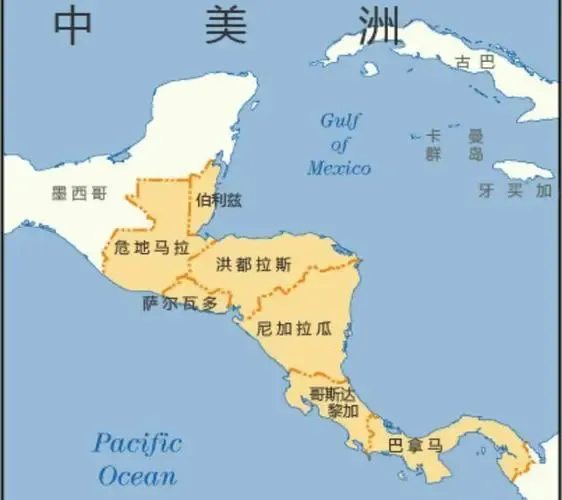
El Salvador’s coffee-growing regions are spread across the country, but the northern Apaneca-Ilamatepec highlands and the western Apaneca-Ilamatepec volcanic zone are the most renowned, often ranking among the top performers in the country’s COE competitions. These regions primarily grow varieties such as Pacamara and Pacas, achieving repeated success in international competitions. Among them, Apaneca-Ilamatepec is El Salvador’s largest producing area, located in the western part of the country. Its terrain encompasses forests, lakes, and mountains, with four volcanoes, centered around the Santa Ana Volcano (also known as Ilamatepec). Coffee plantations are mainly concentrated on both sides of the mountains, at elevations ranging from 800 to 2,300 meters. Although volcanic activity poses certain risks, it also continuously replenishes fertile volcanic ash. Coupled with diverse microclimates, this makes it an ideal place for cultivating high-quality coffee. In this year’s El Salvador COE competition, most award-winning farms came from this region, including the sun-dried category’s second-place winner, Finca Ángel, located on the Santa Ana Volcano.
Although Finca Ángel does not have a long history, it has developed rapidly. The farm was initially purchased by the Mathies family in 2016, when it was just undeveloped land, and coffee planting began in 2018. Rafael Gerardo Silva Esteves worked at the farm’s processing facility for a long time before officially taking over management in 2022. The farm is situated at an elevation of 1,650 meters on the Santa Ana Volcano, where the climate is relatively hot and dry—ideal for the sun-dried processing method. The significant diurnal temperature variation and mineral-rich volcanic soil together create coffee with intense and layered flavors. Currently, the farm grows varieties such as Pacamara, Pacas, Geisha, and SL28. Farm owner Rafael mentioned plans to introduce emerging varieties like Sidra and Chiroso in the future to further enrich the flavor profiles of the region.
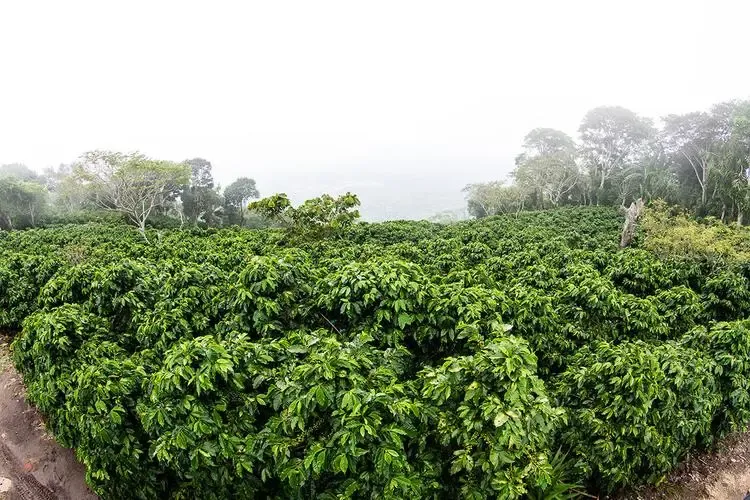
For coffee enthusiasts in Taiwan, Hong Kong, and Macau, the Pacamara and Pacas varieties from El Salvador’s Apaneca-Ilamatepec region—especially those processed using the sun-dried method—are particularly worthy of exploration. These coffees typically exhibit rich sweetness with notes of tropical fruits, honey, and chocolate, featuring complex flavor layers and a long-lasting finish. When selecting, it is recommended to prioritize sun-dried lots to fully experience their unique sweet and aromatic qualities. For brewing, it is advised to use a medium-fine grind (slightly finer than medium), with water temperature around 92°C, and to employ a pulse pouring method. This helps balance sweetness and overall clarity, further highlighting the complex flavor layers bestowed by the volcanic soil.
The above content is compiled by CoffeeHunters, a coffee news website.


