








Introduction:In July 2024, Ethiopia initiated a major foreign exchange reform, causing its national currency, the birr, to depreciate by nearly 30% in a single day. This policy not only reshaped the country’s monetary system but also had a profound impact on the global coffee supply chain. This article delves into the reasons behind the exchange rate adjustment, market reactions, and how it will affect the export prices and international competitiveness of Ethiopian coffee.
On July 29, 2024, the National Bank of Ethiopia suddenly announced the implementation of significant foreign exchange reforms, which took effect immediately. The focus of this adjustment was the introduction of a “market supply-and-demand-driven” competitive exchange rate mechanism, aimed at addressing the country’s long-standing foreign exchange shortage. However, as soon as the reform was launched, the market responded strongly — on that day, the Ethiopian birr plummeted by approximately 30% against the US dollar, sharply dropping from an exchange rate of 1 USD to 57–58 birr to 1 USD to 74–76 birr, shocking the market.
Dubbed a “historic shift,” this policy aims to liberalize the foreign exchange market and allocate foreign exchange resources more effectively through market mechanisms. The specific measures include: allowing exporters and commercial banks to retain a certain proportion of their foreign exchange earnings (now raised to 50%), lifting import restrictions on 38 categories of goods, establishing non-bank foreign exchange exchange institutions, simplifying the management process for foreign currency accounts, relaxing restrictions on residents opening foreign currency accounts, increasing the limit for foreign currency brought into the country, and removing the ceiling on foreign currency lending rates as well as opening up participation in the stock market to foreign investors. These measures are intended to attract foreign investment, stimulate trade, and create a more favorable business environment for the private sector.

The Ethiopian government emphasized that this exchange rate reform is a key component of its broader economic reform, particularly important for alleviating the supply-demand imbalance in foreign exchange, enhancing export competitiveness, and promoting foreign direct investment. Officials believe the new mechanism can more accurately reflect the actual supply and demand of foreign exchange, helping to stabilize the economic foundation and providing greater operational flexibility for foreign exchange-earning industries — including exporters of agricultural products such as coffee, sesame, pulses, and flowers.
In fact, as a globally significant producer of specialty coffee, Ethiopia’s coffee exports account for a considerable portion of its foreign exchange earnings. The sharp depreciation of the birr has immediately been reflected in the international market: a weaker local currency makes exported goods cheaper when priced in US dollars, making Ethiopian coffee more price-attractive to international buyers and potentially boosting export volumes and market share in the short term. However, the drastic exchange rate fluctuations also bring uncertainty, requiring exporters to more flexibly adjust their quotations and contract terms to manage market risks.
Nevertheless, currency depreciation also brings pressure from imported inflation. Since many production inputs such as fuel, fertilizers, pesticides, and packaging materials still rely on imports, the depreciation of the birr means these costs will rise significantly when calculated in local currency. It is understood that within less than a week of the exchange rate change, there were already reports of sharp surges in the prices of basic commodities, with some items seeing increases of up to 50% to 100%. For coffee farmers, this means that cultivation and harvesting costs may also rise accordingly, which could in turn affect future factory prices and international quotations of coffee.
To alleviate the burden on the public and businesses, the Ethiopian government has announced temporary price subsidies and regulatory measures for essential goods for daily life and production, such as fuel, fertilizers, medicines, and cooking oil. However, analysts point out that whether these subsidies can fully offset the rising import costs caused by the exchange rate remains to be seen. For the coffee industry chain, from planting and processing to roasting and exporting, each stage may be affected by cost fluctuations. Therefore, it is advised that international buyers and supply chain partners closely monitor price trends in the coming months.
Notably, the exchange rate reform has also had a positive impact on the investment environment. In addition to opening the stock market to foreign investors, the government has relaxed restrictions on the amount of foreign currency that foreigners can bring into the country, which helps attract more international capital into coffee plantations, processing facilities, and export-related infrastructure. Moreover, allowing exporters to retain a higher proportion of foreign exchange enhances their financial flexibility, aiding in expanding production scale and upgrading equipment.
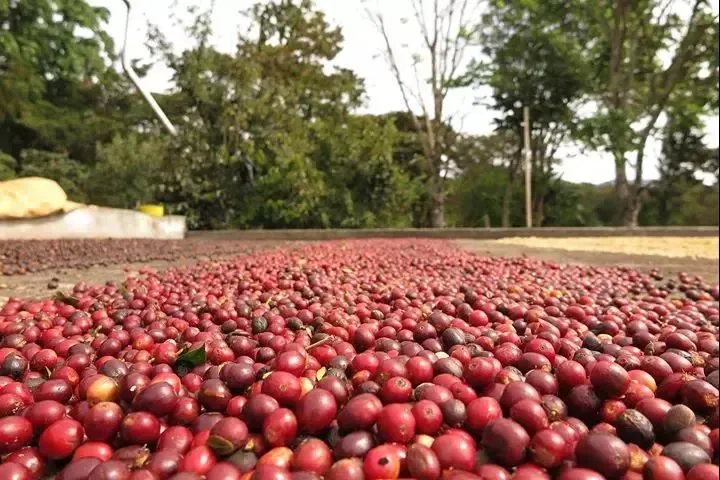
Overall, although the recent foreign exchange reform in Ethiopia has led to a significant depreciation of the birr in the short term, it has also created new competitive advantages for coffee exports. In the coming months, the market will continue to observe whether the exchange rate can gradually stabilize, the extent of adjustments in export quotations, and the response of international buyers to Ethiopian coffee. For coffee enthusiasts and importers, understanding these changes can help better grasp market trends and make more advantageous purchasing decisions.
The above content is compiled by CoffeeHunters, a coffee news website.


