








Introduction:Although Indonesia’s Sulawesi Island is not the most well-known coffee origin, it is famed for the high-altitude coffee beans grown by the Toraja people. This article delves into how the island’s terrain and climate nurture specialty coffees with bright acidity and floral notes, and takes you through the evolution of coffee varieties from the Dutch colonial period to the present, as well as the unique processing methods and flavor characteristics of Toraja beans—helping you select and brew high-quality Sulawesi coffee.
Indonesia is not only a major coffee producer in Asia but also ranks fourth globally. Its coffee-growing regions span multiple islands, with Sumatra known for Mandheling, while Sulawesi Island also holds delightful surprises. This mountainous island, shaped like a capital letter “K,” is home to specialty coffee-growing regions primarily inhabited by the Toraja people, whose coffee is celebrated for its vibrant acidity and layered complexity.
The history of coffee in Indonesia dates back to the 17th-century Dutch colonial period, when the first coffee trees were destroyed by floods, and it wasn’t until the second generation of seedlings that they successfully took root. In the early 18th century, the Dutch East India Company initiated coffee export trade, gradually bringing Indonesian coffee to the international market. Initially, Arabica was the main variety planted, but in the mid-19th century, the outbreak of coffee leaf rust led farmers to switch to the more disease-resistant Robusta. To this day, Robusta still accounts for 85% of Indonesia’s total coffee production.

Comprising 17,508 islands, Indonesia is home to over 500 volcanoes, providing fertile volcanic soil. Coupled with a tropical rainforest climate—characterized by year-round high temperatures and humidity, with average temperatures maintained between 25°C and 27°C, and distinct wet and dry seasons—it offers an ideal environment for coffee cultivation. With a forest coverage rate of 67.8% nationwide and abundant water resources, this archipelagic nation is a prime location for growing coffee.
Indonesia’s coffee-growing regions are mainly distributed across islands such as Sumatra, Java, Bali, and Sulawesi. Among them, Sumatra’s Mandheling is renowned for its wet-hulled processing method, which imparts herbal and dark chocolate notes, along with a full-bodied mouthfeel. However, Sulawesi’s coffee is no less impressive, especially the varieties grown in the southern highlands by the Toraja people, which showcase distinctly different flavor profiles.
Sulawesi Island, formerly known as Celebes, is the world’s 11th largest island. It features numerous high mountains and deep valleys, with few plains. The central highlands reach elevations of 2,000 meters, and the northern part is home to over ten volcanoes, offering abundant hydropower resources. Situated in the equatorial tropical rainforest climate zone, the island receives annual rainfall exceeding 2,500 millimeters, with cool mountainous climates that are particularly suited for coffee cultivation. The island is divided into six provinces, with coffee production primarily concentrated in South Sulawesi Province, especially in the Tana Toraja and Kalosi regions at elevations of 1,100 to 1,800 meters.
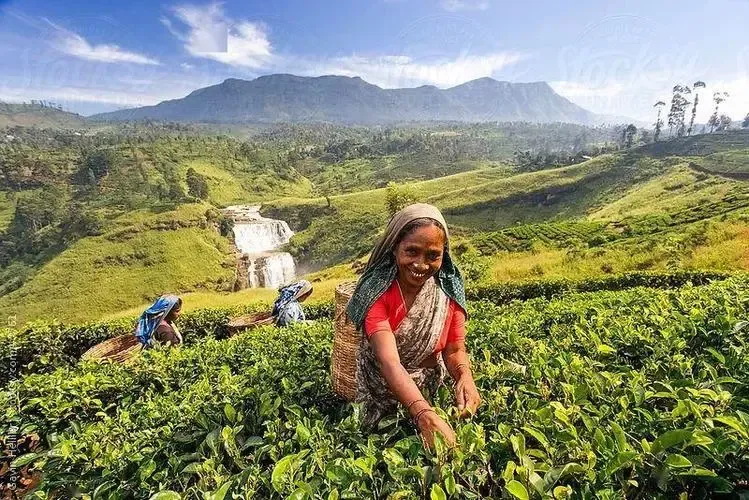
When discussing Sulawesi coffee, one cannot overlook the Toraja people. This indigenous ethnic group, residing in the mountainous Tana Toraja region, is renowned for their exceptional agricultural techniques and dedication to coffee quality. The coffee they grow is mostly cultivated on steep slopes at altitudes of around 1,200 meters, making harvesting difficult and annual production limited to just about 1,000 metric tons—thus making it even more precious. Toraja beans are prized for their bright acidity, rich floral notes, and intense caramel sweetness, with a layered and complex flavor profile that is highly sought after by many specialty coffee enthusiasts.
When selecting Sulawesi coffee beans, it is advisable to pay attention to origin labeling and processing methods. High-altitude cultivation paired with refined washed or natural processing often highlights their unique flavor profiles. For brewing, try a medium-light roast with pour over, using water at 90–93°C and a medium-fine grind, which can better bring out its floral-fruity notes and sweetness. For coffee lovers looking to explore the diversity of Indonesian coffee, Toraja beans from Sulawesi are definitely an essential specialty choice.
The above content is compiled by CoffeeHunters, a coffee news website.


