







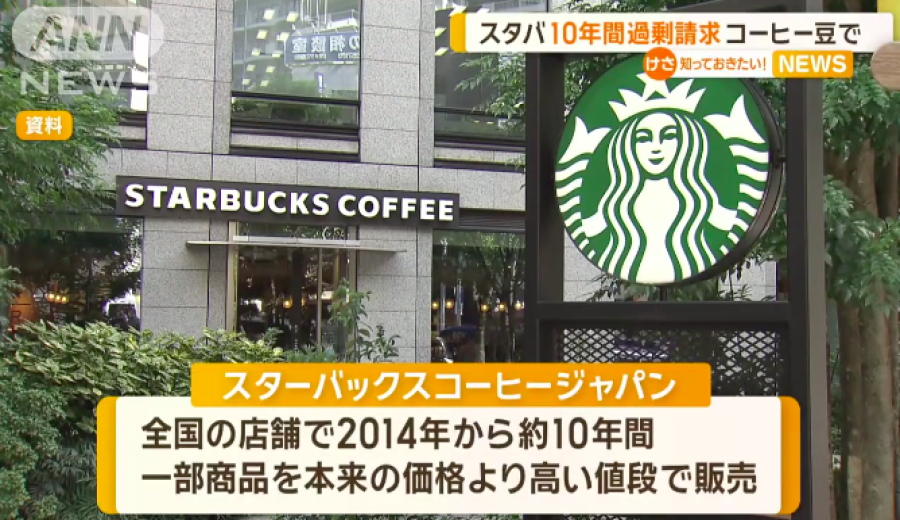
Introduction:Japanese Starbucks has admitted that from September 2014 to January 2024, due to a flaw in its point-of-sale system settings, 164 types of coffee beans were sold at prices higher than the labeled ones. Over the ten-year period, this resulted in an overcharge totaling 124,000 yen. The issue affected 5,896 bags of coffee beans, and the company has since fixed the system and provided three methods for refunds. This article details the incident, the range of affected products, refund procedures, and analyzes public opinion on the compensation approach to help you understand how to apply for a refund.
Japanese Starbucks recently publicly acknowledged that from September 12, 2014, to January 31, 2024, 164 types of coffee beans sold at its nationwide stores were priced higher than the official rates due to a problem with the POS system settings. This nearly decade-long system error led to 5,896 bags of coffee beans being sold above their actual price, resulting in a total overcharge of 124,033 yen (approximately NT$27,000 or RMB 5,606.5).
According to the official explanation, the issue arose during the manual input step in the checkout process for coffee beans. After scanning the barcode, the beans required the staff to additionally input the weight information. If the staff skipped this step, the system would display a higher default amount, and consumers often failed to notice the price difference in time, ultimately completing the transaction at the incorrect price. The amount overcharged per transaction ranged from 1 to 65 yen (approximately NT$0.2 to 1.5 or RMB 0.05 to 2.94).
Starbucks stated that the loophole in the POS system had been fixed in early 2024 and that such issues would not occur again in the future. In response to this nearly decade-long pricing anomaly, the brand has formally apologized to consumers and pledged to fully refund the overcharged amounts. The official refund options are divided into three methods, applicable to different consumer scenarios.
The first and most convenient method is for customers who use Starbucks stored-value membership cards. The system will automatically compare past purchase records and refund the overcharged difference directly to the member account—no receipts or additional procedures are required from the consumer. The second method requires consumers to prepare the original shopping receipt themselves and visit an official refund window. After verifying the receipt information, staff will return the overcharged amount in cash.
If a consumer has lost the receipt or if the handwriting on it is too faded to read, they can still visit the refund window to explain the situation. By providing details such as the store name where the purchase was made, the type of coffee bean involved, the approximate quantity purchased, and the general time frame, the staff can verify the system records and complete the refund process. The company emphasized that all refund operations follow fair principles to ensure that every affected customer receives appropriate compensation.
The incident has sparked heated discussion among netizens. Most opinions suggest that although Starbucks proactively admitted the mistake and offered refunds, the long timeframe and relatively small individual amounts make the actual recovery process quite challenging. Many netizens suggested that it would be more sincere and practical for the brand to offer compensation in the form of beverage vouchers or discount points. However, some consumers also commended Starbucks for facing the issue squarely and providing multiple refund channels.
Experts advise that if you purchased any of the aforementioned 164 types of coffee beans at Japanese Starbucks between September 2014 and January 2024, you should first check whether you have retained the receipt. Customers who used stored-value cards do not need to take any extra steps—the system will handle the refund automatically. Other consumers can monitor official announcements regarding refund window locations and choose the most suitable refund method based on their own circumstances. This incident also highlights the importance of retail POS system design and employee operation training to prevent similar pricing anomalies from happening again.
The above content is compiled by CoffeeHunters, a coffee news website.


