








Introduction:When a fellow business owner expresses interest in taking over your coffee shop but, after conducting an on-site inspection, advises you to shut down to cut losses, what operational red flags might this reveal? One shop owner shares their real-life experience, uncovering common yet often overlooked issues in independent cafés—from store layout and customer flow to product mix. This article delves into the industry insider’s rationale, offering practical improvement suggestions to help operators assess the ongoing value of their storefront.
An operator running a coffee shop, while searching for a new location to relocate, happened to meet a peer planning to exit the industry who was interested in leasing their current shop. Their needs aligned well, and discussions about the transfer quickly commenced. However, before finalizing the contract, this potential successor made one crucial request: to personally visit the owner’s existing café for an on-site evaluation.
Surprisingly,after completing the store inspection, the peer not only backed out of the takeover plan but also explicitly advised the owner to consider closing the business sooner rather than later.This experience sparked widespread discussion within the industry community, with many coffee professionals echoing similar observations.
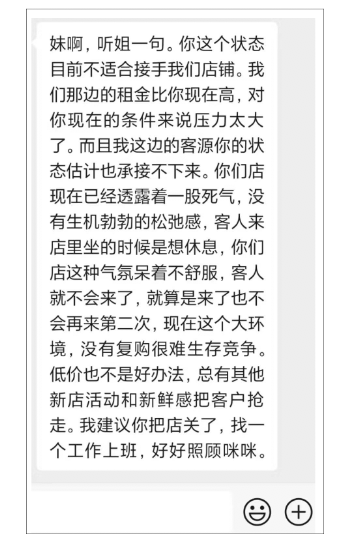
What kind of actual operational conditions could lead an industry expert to make such a definitive judgment? A deeper look reveals that the issues often lie in the details: from whether the store’s layout facilitates customer dwell time, to whether core products align with local consumer tastes, and even how well operating hours match surrounding foot traffic—all can become critical influencing factors.
Industry insiders point out that many independent café owners, after operating for a while, tend to fall into fixed mindsets, overlooking how customer needs evolve with the seasons and consumption trends. For example,a limited selection of hot drinks in winter or a lack of grab-and-go light food pairings, or seating arrangements that aren’t conducive to social interaction—these seemingly minor design elements can significantly impact customer return rates.
Even more noteworthy isthe alignment between the store’s location and its target customer base, which often serves as an invisible yet decisive factor in operational success. Some shops may be situated in bustling commercial areas, but the actual majority of foot traffic isn’t composed of core coffee consumers; conversely, certain tucked-away cafés achieve steady profitability by precisely targeting specific demographics.
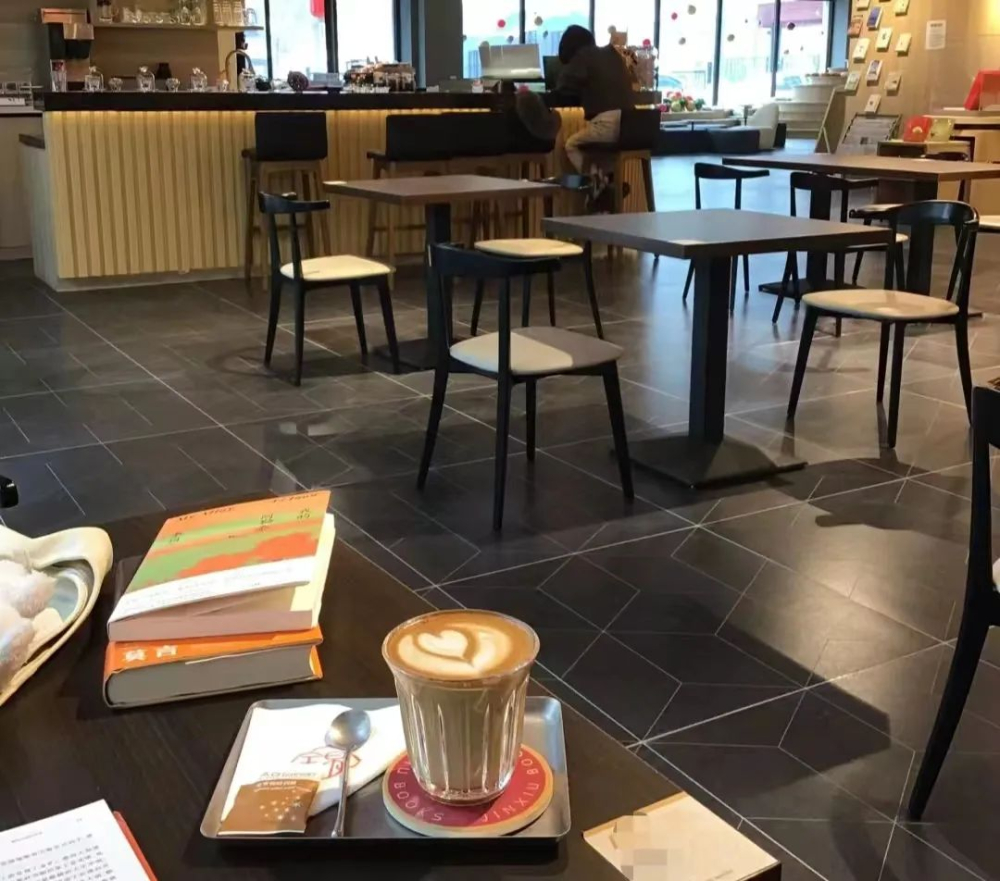
This case also serves as a reminder to peers considering taking over a transferred café: before making a decision, a comprehensive evaluation is essential. Beyond assessing the condition of physical facilities, it’s crucial to examine actual operational data—including customer counts during different time slots, the sales proportion of core products, and metrics like customer dwell time. Only by grasping these tangible operational realities can one make an informed judgment.
For existing shop owners, this story also carries a cautionary message: regularly and objectively evaluating one’s own operational status, having the courage to face potential areas for improvement, and even decisively adjusting direction when necessary, might be a more pragmatic approach to ensuring the long-term survival of a coffee shop.
The above content is compiled by CoffeeHunters, a coffee news website.


