







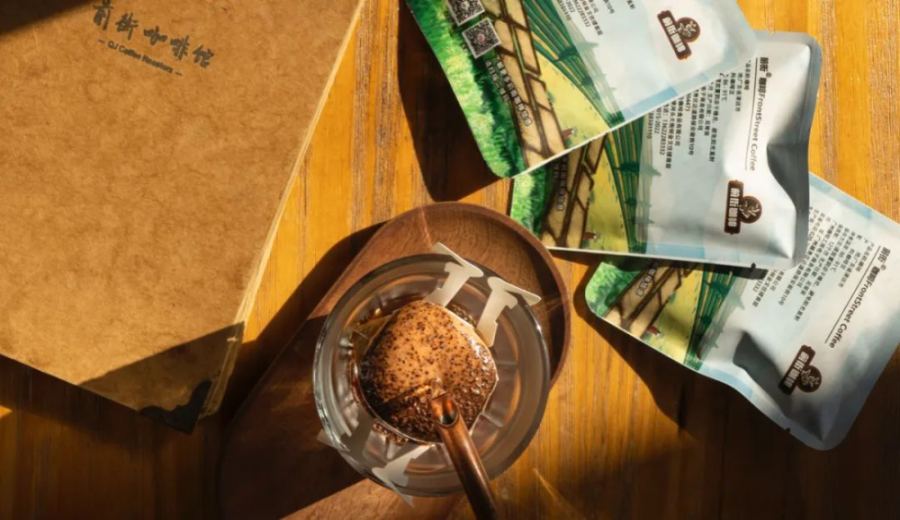
Introduction:Drip bags are widely loved for their convenience and speed, but many people often encounter issues such as weak flavors and flat textures when brewing them at home. This article delves into the common reasons behind subpar drip bag extractions, including filtration methods, coffee-to-water ratios, and water temperature control, while also providing specific improvement tips. Additionally, we introduce a classic five-region drip bag set from a certain brand, featuring selections from Ethiopia to Indonesia, each with a unique flavor profile. Paired with a recommended tasting sequence, it helps you systematically explore global coffee characteristics.
Thanks to its simple brewing process, drip coffee has become a daily choice for many busy modern individuals. However, many people find that the flavor of drip coffee they brew at home often falls short of expectations, tasting weak and lacking depth. What exactly causes this? This article will focus on three key variables—filtration system design, coffee-to-water ratio configuration, and water temperature control—to gradually dissect the underlying reasons for under-extraction and offer practical adjustment suggestions. At the same time, we’ve also compiled a classic five-region drip coffee set launched by a certain brand, covering globally renowned coffee origins such as Ethiopia, Kenya, Brazil, Panama, and Indonesia. From light to dark roasts, and from washed to natural processing methods, this selection provides an easy entry point for coffee beginners to familiarize themselves with the flavors of coffee from around the world.
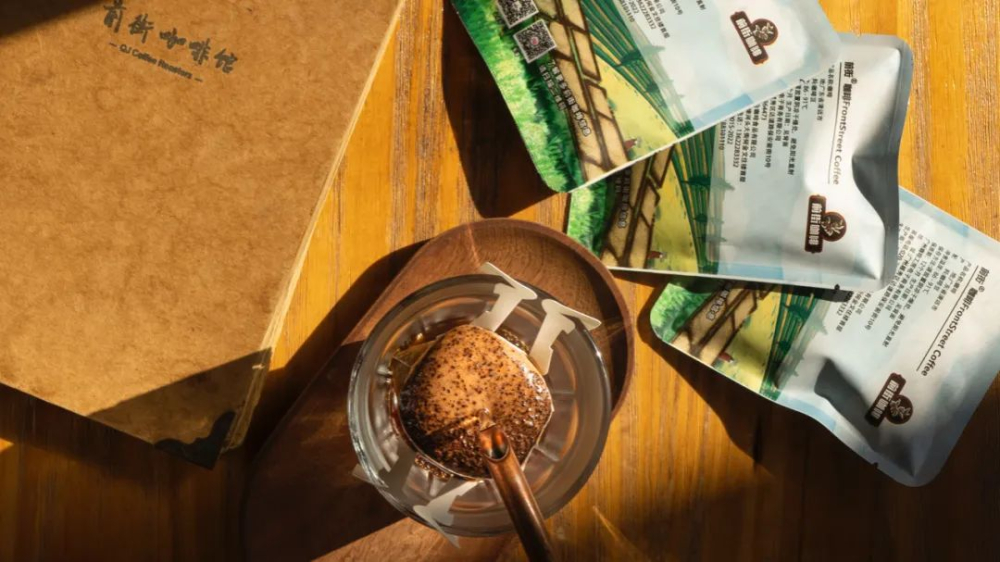
Although traditional pour over can showcase richer aromas and more nuanced textures, its brewing steps are relatively complex and not very convenient for everyday drinking. As a result, more and more coffee enthusiasts are turning to drip bags, which save time while still delivering a satisfying coffee experience. To allow consumers to experience the characteristics of multiple regions in one go, a certain brand has specially launched a classic five-region drip bag set, featuring selections from globally renowned coffee origins. These include Ethiopia’s Yirgacheffe, Kenya’s Assaliya, Brazil’s mountain-grown beans, Panama’s honey-processed Geisha (also known as Flower Butterfly), and Indonesia’s Sumatra Mandheling. These products span the full range of roast profiles from light to dark, and cover diverse processing methods such as washed and natural, with each one showcasing the unique personality of its origin region. It’s an excellent starting point for newcomers to systematically explore global coffee flavors.
When tasting the classic five-region drip bags from a certain brand, it is recommended to proceed in order from darkest to lightest roast: start with the medium-dark roasted Sumatra Mandheling from Indonesia, which features herbal aromas and a rich, nutty profile; next, try the Honduras washed Caturra, offering a smooth finish with notes of cream and chocolate; then, the Panama Flower Butterfly, showcasing bright citrus, tea-like qualities, and delicate honey sweetness; the fourth is Ethiopia’s Yirgacheffe Red Cherry, characterized by vibrant citrus tones and fruity, wine-like fermentation aromas; finally, enjoy the Kenya Assaliya, highlighting lively berry and cherry tomato acidity. This arrangement allows your palate to gradually adapt to varying flavor intensities, resulting in a more complete tasting experience.
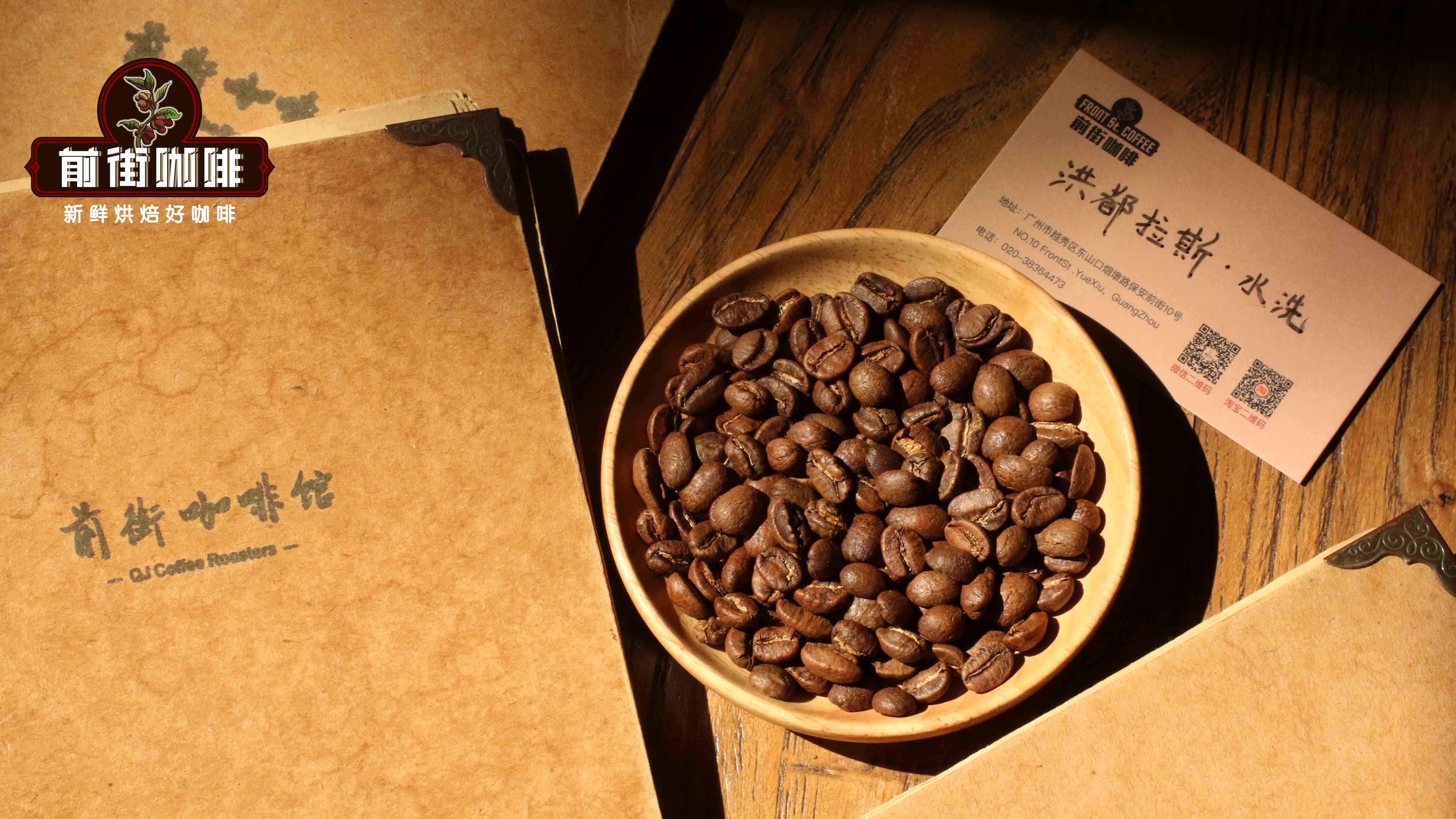
The coffee grounds used in drip bags are usually pre-ground, and from the moment they’re ground, their aroma begins to gradually dissipate. Even with sealed packaging and nitrogen flushing technology to slow oxidation, it’s still difficult to completely prevent flavor degradation. Therefore, in overall performance, drip bags indeed struggle to match freshly ground pour over coffee. However, some users report that the drip coffee they brew not only lacks distinct flavors but also seems overly thin in basic taste (it’s important to distinguish that “flavor” and “taste” are two different sensory dimensions), with a lack of body. Faced with this, many instinctively blame the pre-ground nature of the coffee, but the reality isn’t so straightforward. While pre-grinding does accelerate aroma loss, its impact on the coffee’s basic taste isn’t as severe as imagined. If your brewed drip coffee tastes bland and overly clean, the issue likely lies in improper brewing techniques, preventing hot water from effectively extracting key flavor compounds from the coffee grounds. So, what exactly causes such under-extraction? Let’s take a closer look.
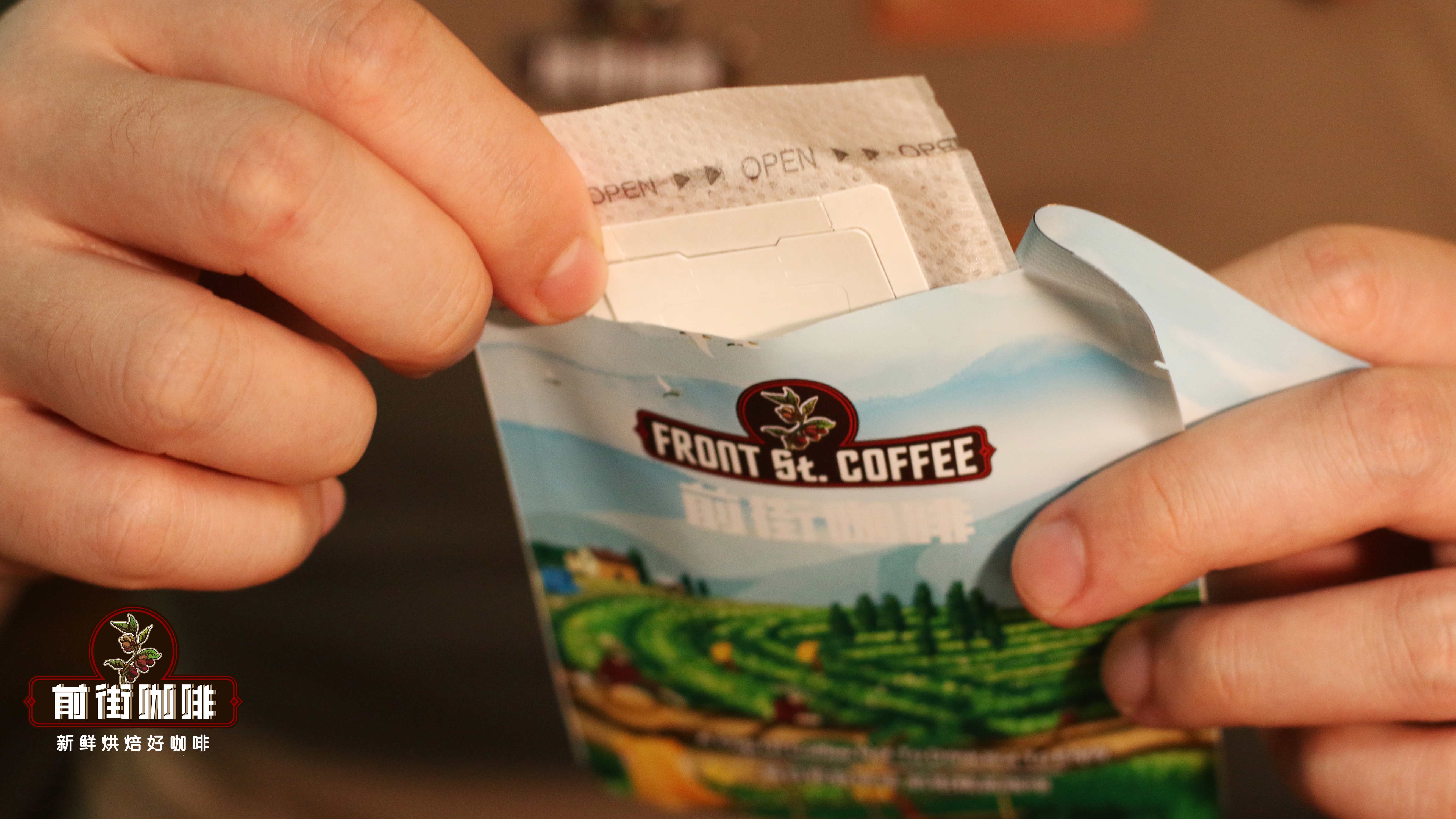
First, the filter pouch material used in drip bags is typically non-woven fabric, paired with paper-based support “ears” on both sides, so no additional filter cone is needed. However, this design also means the absence of traditional filter cone features like sidewall drainage structures and ribs. Hot water can only seep downward naturally via gravity, with its flow rate and penetration efficiency directly affected by water pressure. When users pour too much water at once, exceeding the drainage rate at the bottom of the pouch, the internal water level rises rapidly. Under these conditions, water naturally seeks the path of least resistance. With high water levels and pressure, a large amount of hot water may bypass the insufficiently saturated upper layer of coffee grounds and flow directly out through the pouch’s pores. This water hasn’t had adequate contact with the coffee grounds, so it fails to carry sufficient flavor compounds, ultimately diluting the coffee and resulting in a thin, flat, and lackluster cup.
Another common issue is improper coffee-to-water ratio. The standard coffee dosage in commercially available drip bags usually ranges between 10 to 12 grams, but many users habitually apply the 15-gram dosage parameters of pour over, overlooking how differences in coffee quantity affect overall extraction. With less coffee, the required water volume should also be adjusted accordingly. If one still follows the standard pouring routine for 15 grams, the overall extraction time will be significantly shortened, reducing the contact time between hot water and coffee grounds and thus lowering extraction efficiency. This prevents coffee flavor compounds from being fully dissolved. Moreover, most people using drip bags don’t measure water volume precisely with a scale, relying instead on feel and experience, which often leads to unknowingly adding too much water and further diluting the coffee’s concentration.
Water temperature is another critical factor affecting extraction performance. Many users brew drip coffee in everyday environments like offices, where the water source is often from a water dispenser, and such devices typically cannot reach the ideal extraction temperature range. Insufficient water temperature directly limits the ability of hot water to extract various soluble substances from the coffee grounds, resulting in a final cup that tastes weak, lacks aroma, and has minimal textural complexity. To address these extraction issues, we can make adjustments in the following areas.
To tackle low water temperature, gentle stirring during the bloom phase can help improve extraction efficiency. It’s recommended to perform about ten gentle stirs during the initial bloom pour to enhance overall extraction. If excessive bypass flow or uneven extraction occurs due to filtration system or pouring technique issues, adjust your pouring strategy by reducing the volume of each pour and adopting a multiple small-pour approach. This extends the contact time between hot water and coffee grounds. Also, remember to perform the bloom step—it allows the coffee grounds to fully pre-wet, enabling subsequent hot water to more efficiently extract various flavor compounds.
Finally, regarding actual water volume control, if you can’t use a scale for precise measurement, you can estimate an appropriate amount based on the capacity of your regular drinking cup. For example, with a 10-gram drip bag, using the common 1:15 coffee-to-water ratio, you’d need about 150 milliliters of hot water in total. Subtracting the water absorbed by the coffee grounds (approximately double the coffee weight, or about 20 milliliters), the final coffee liquid volume is around 130 milliliters. Assuming your cup holds about 400 milliliters, you can remove the drip bag when the coffee reaches about one-third of the cup’s height. At this point, the coffee concentration is usually well-balanced—not overly diluted, yet still showcasing the coffee’s core flavors.
The above content is compiled by CoffeeHunters, a coffee news website.


