







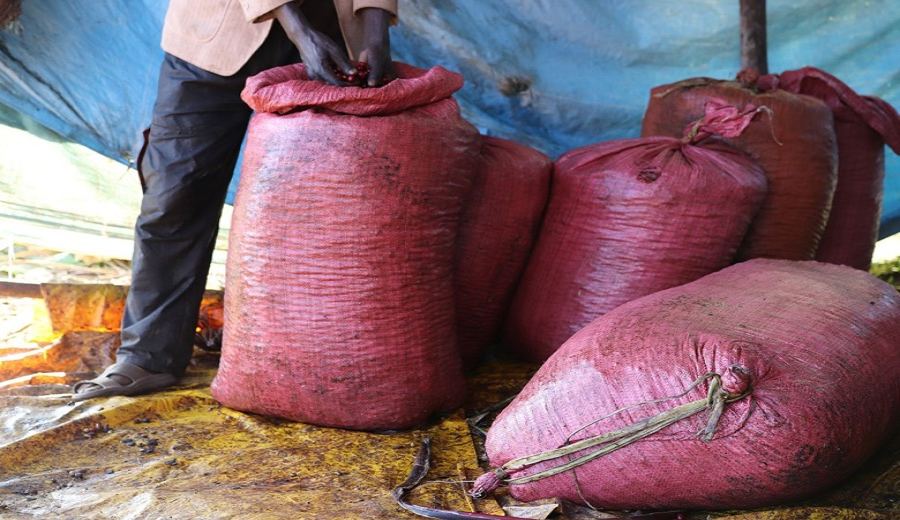
Introduction:Did you know that the starting point of a great cup of coffee is determined as early as when the coffee farmer harvests the cherries? From carefully selecting ripe red fruits, removing floaters and impurities, to rigorously eliminating defective beans, every step influences the final flavor. This article takes you deep into the key processes from tree to cup, revealing why hand-picking and floatation are indispensable steps in specialty coffee, and adding practical details to help you understand where quality differences come from.
The flavor of specialty coffee is actually established the moment the coffee farmer harvests the cherries. Even when grown in the same coffee plantation, differences in harvesting methods can lead to taste experiences for the coffee drinker that may be more significant than those brought by subsequent roasting. So, how are these tiny coffee cherries carefully picked one by one? And why is it so important to remove defective beans? Let’s walk through the process from harvesting to grading and explore the key steps involved.
Among the various harvesting methods,Hand Pickingis the most common and considered the standard practice for specialty coffee. This is because coffee cherries do not all ripen at the same time. On a single branch, you might see unripe green fruits, bright red ripe ones, and even overripe dark red or black fruits all at once. To ensure that the extracted coffee has consistent and rich flavors, farmers must rely on experience to pick only those cherries that have fully turned red and exhibit the best balance of sweetness and acidity. Although this meticulous selection is time-consuming and labor-intensive, it is the foundation for producing high-quality coffee.
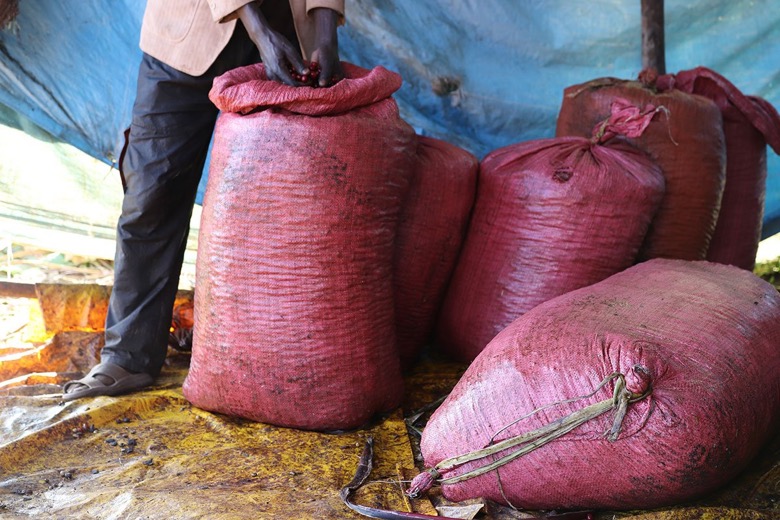
After the coffee cherries are harvested, the next step isFloatation—a seemingly simple yet extremely important quality control procedure. Floatation is usually carried out in a water tank, where freshly harvested coffee fruits are poured into water. At this point, mature and high-density fruits naturally sink to the bottom, while unripe, empty, insect-damaged, or overripe fruits, which are of lower density, float to the surface. These “floaters” are then skimmed off. This physical screening method can quickly remove a large number of defective beans, laying a solid foundation for subsequent processing. It’s worth noting that floatation is not foolproof, and further manual or mechanical checks are still needed to ensure no defective beans are mixed in.
Even after floatation, the processed green beans should not be taken lightly. The next step isDefect Sorting, which can be done either manually or using a color sorter. Common defects include insect-damaged beans, black beans, overly fermented beans, as well as broken or irregularly shaped beans. Don’t underestimate these rare defective beans—they may release unpleasant odors during roasting and brewing, such as moldy, earthy, or even noticeably astringent notes, severely affecting the overall balance of the coffee. Therefore, this step is a crucial line of defense to ensure flavor purity.
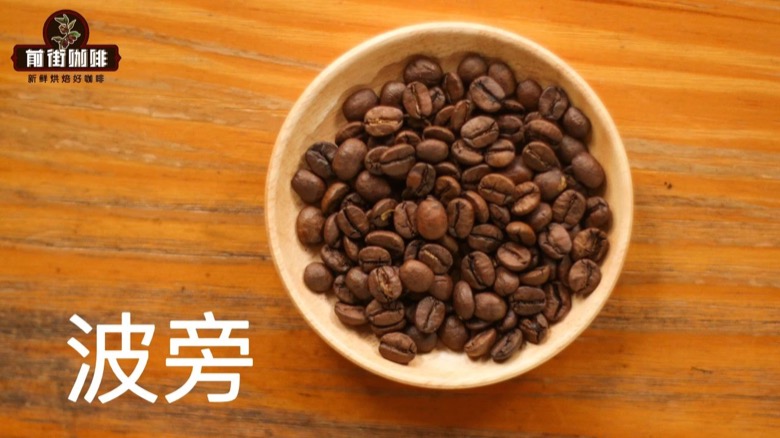
Once the bean sorting is complete, the next step isGrading and Quality Control. Coffee beans are classified based on their size, altitude, and defect rate. This not only affects market value but also serves as a tangible indicator of quality. For example, Kenya’s AA-grade coffee or the famous auction lots from Panama all represent strict grading systems and high-standard production processes. This grading is not just a market classification but also an important basis for assuring consumers of consistent flavor. With clear grading information, consumers can better understand the origin of their coffee and its potential flavor characteristics.
Overall, the secret to a clean and layered-flavored cup of coffee often lies in the harvesting stage. From manually picking each ripe red cherry, to using water tank floatation to remove bad beans, to carefully removing every defective bean—these steps are all interconnected, collectively shaping the final taste experience of the coffee. The next time you enjoy a coffee with a refreshing mouthfeel and distinct flavors, take a moment to think: somewhere far away in a coffee plantation, there may be hands under the sun, picking the very coffee cherry that’s meant for you—one by one.
The above content is compiled by CoffeeHunters, a coffee news website.

