







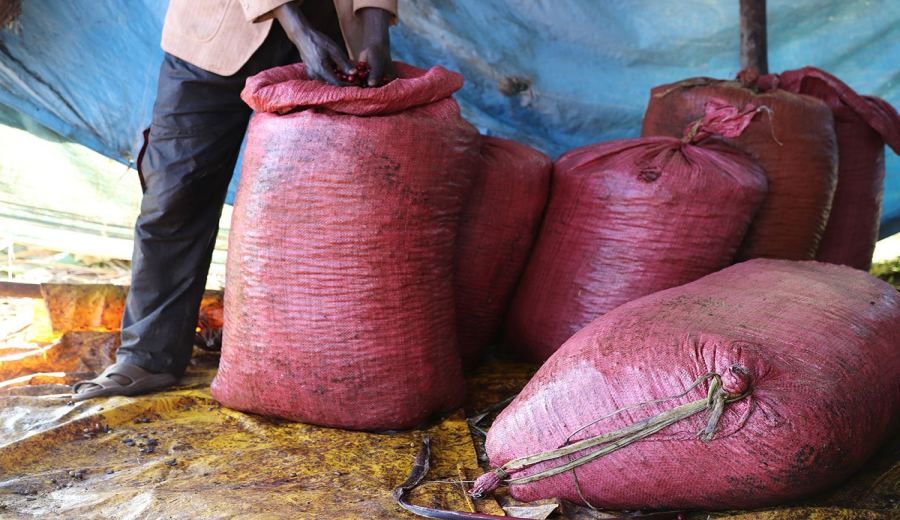
Introduction:As an emerging coffee-growing region in Ethiopia that has gained prominence in recent years, the Guji zone stands out with its high-altitude environment and refined processing methods, delivering unique floral aromas and clean acidity profiles. This article will take an in-depth look at Guji’s geographical location, as well as the characteristics of its washed and natural processing methods, and recommend classic beans to help you find an ideal pour over entry-level option.
When it comes to specialty coffee from Ethiopia, many people immediately think of Yirgacheffe and Sidamo. However, in fact, over the past decade, Guji — located south of these two renowned regions — has gradually made its mark on the international specialty coffee scene. Not only is this area adjacent to the two classic zones, but its higher average elevation also gives it more distinctive flavor characteristics. In particular, its unforgettable floral notes and bright acidity make it one of the top choices for those seeking refreshing Ethiopian beans.
The Guji zone is situated on the vast plateau in southern Ethiopia, geographically located south of Yirgacheffe and Sidamo, separated from them by undulating mountainous terrain. Part of Ethiopia’s southern high-altitude coffee belt, many coffee farms here are planted at elevations exceeding 1,800 meters. The high altitude results in significant day-night temperature variations, which slow down the ripening process of coffee cherries and help accumulate flavor compounds more fully, giving Guji coffee beans their distinctive floral aroma spectrum and clear acidity structure.
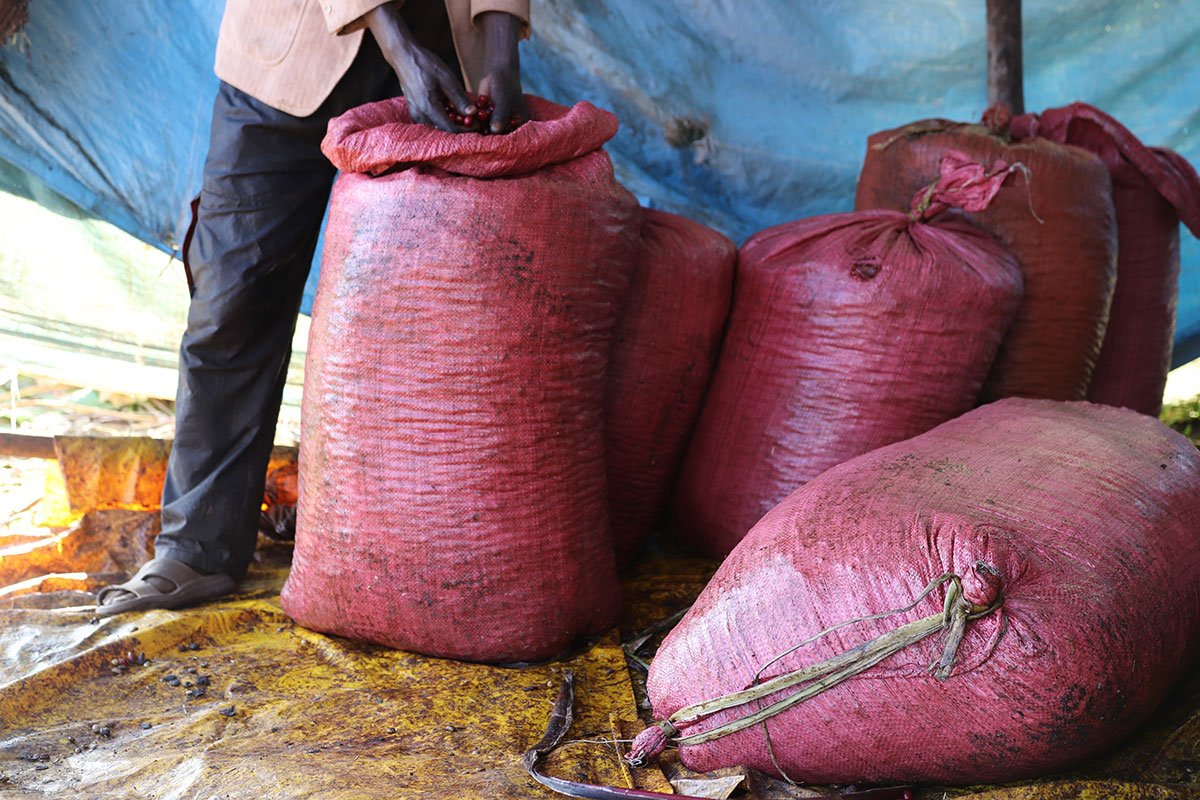
Guji’s high-altitude characteristics, combined with the traditional washed processing method, further enhance the coffee’s “cleanliness” and layered flavor complexity. In the washed process, harvested coffee cherries first have their outer skin removed, then the beans — still covered with mucilage — are soaked in water tanks for fermentation. This step effectively removes impurities while preserving the purest flavors. After fermentation, the mucilage is thoroughly washed away, leaving only the refined seeds, which results in an exceptionally clear final cup. Common flavor profiles of Guji washed beans include subtle dried jasmine aromas, fresh citrus and bergamot notes, with tea-like softness reminiscent of black or green tea in the aftertaste. It is an excellent representation of the essence of Ethiopian washed coffee.
If you’d like to try a classic example of Guji washed flavors, consider the Gesha variety from the Grana washing station in Guji. These beans are grown at high altitudes of approximately 1,350 to 1,600 meters. Locally grown by farmers who handpick only fully red-ripe coffee cherries, they then undergo a slow 14 to 20-day natural drying process. After brewing, you can detect distinct orange blossom-like white floral notes, followed by rich tropical fruit aromas such as guava, ripe apricot, and strawberry jam. On the palate, the acidity is soft and bright, with a gentle cane sugar sweetness in the mid-palate, and the finish echoes elegant green and oolong tea notes. The overall profile is balanced with a clean and long-lasting aftertaste. For brewing, it is recommended to control the water temperature between 90–93°C, and choose a medium-fine grind (e.g., around 70–75% passing rate through a 20-number standard sieve suitable for pour over). This helps fully bring out the layers.
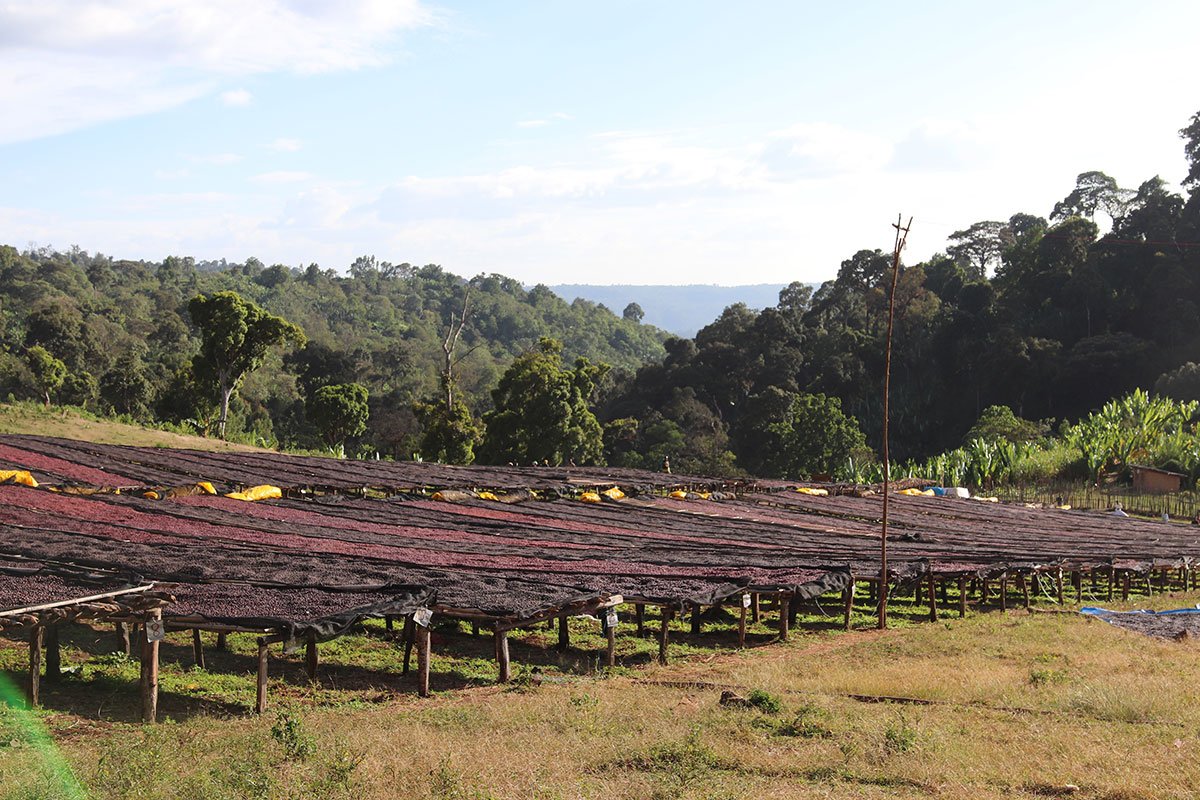
The appeal of the Guji zone is not limited to washed processing; its natural (dry) processed beans also perform exceptionally well, forming an interesting contrast in flavor direction. If you prefer clean, refreshing floral notes and bright acidity, washed beans are the better choice, typically offering flavors such as jasmine, citrus acidity, and tea-like aftertastes. But if you lean toward bold, exuberant fruitiness and rich sweetness, then Guji’s natural processed beans are definitely worth a try. These beans often feature intense tropical fruit profiles, solid sweetness, and more expressive, impactful flavor layers. For example, the aforementioned Grana Gesha, in its slow natural (sun-dried) version, follows the latter route, showcasing rich fruitiness and syrupy sweetness. No matter which processing method you choose, these beans are highly suitable for pour over brewing, and even cold brew performs quite well. It is recommended to experiment based on your personal taste preferences.
In summary, the rise of the Guji zone is not only due to its uniquely advantageous high-altitude geography, but also owes much to the local producers’ meticulous mastery of processing techniques. Washed Guji beans are known for their floral notes and clear acidity, making them a classic representation of Ethiopian washed style; whereas natural Guji beans present another facet with their rich fruitiness and sweet aftertaste. If you want to explore Ethiopia’s emerging coffee regions, Guji is undoubtedly a choice worthy of deep appreciation. Whether washed or natural, you’re sure to find a coffee experience that suits your taste.
The above content is compiled by CoffeeHunters, a coffee news website.

