







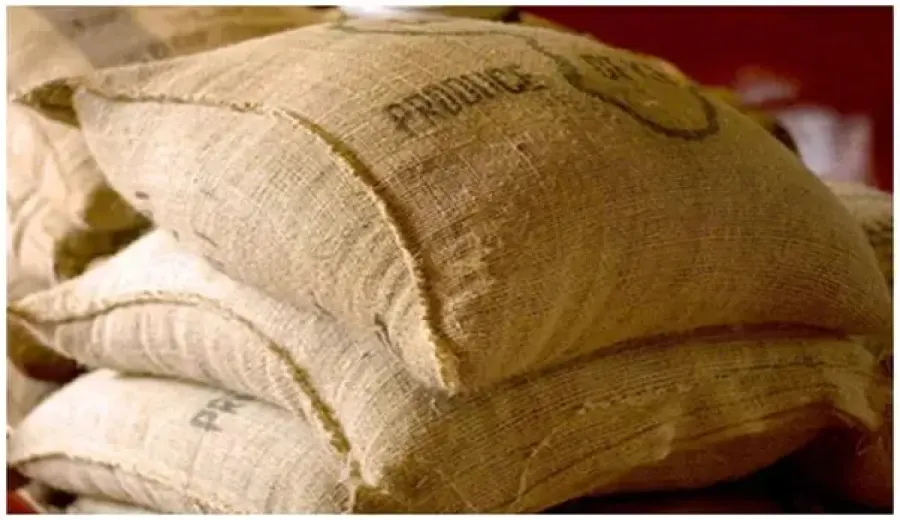
Introduction:In the first half of 2024, Vietnam’s coffee exports unexpectedly declined by more than 10%, yet prices surged by 50%, resulting in an overall increase in export revenue. What factors led to this phenomenon? How have drought conditions, competition from fruit trees, and shifts in international market demand impacted the global coffee supply chain? This article delves into the challenges and opportunities facing Vietnam’s coffee industry.
As one of the world’s major coffee suppliers, Vietnam’s performance in the first half of 2024 has drawn significant market attention. Official data shows that local coffee exports fell compared to the same period last year by 10.5%, reaching only 9.02 million tonnes. However, due to a substantial rise in average export prices, 50.4%, total export value actually climbed to $3.22 billion, marking a year-on-year growth rate of 34.6%. This “decline in volume, rise in price” trend reflects subtle changes in supply tightness and market demand.
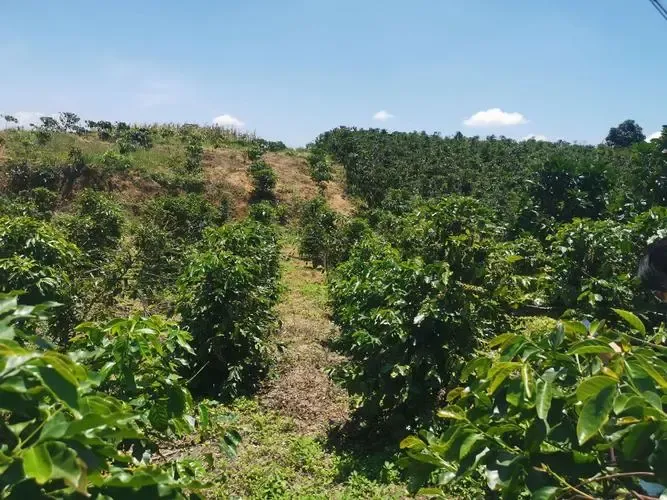
One of the main reasons for the production decline is the ongoing drought. Multiple coffee-growing regions in Vietnam have suffered severe water shortages, causing irreversible damage to coffee tree growth and directly impacting harvests. In addition, farmers have increasingly turned to planting more economically rewarding fruits such as durian and passion fruit, further reducing coffee cultivation areas and exacerbating the supply shortage.
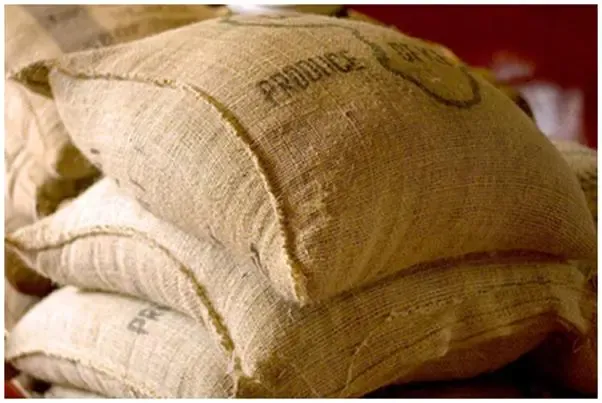
According to Vietnamese official statistics, as of the end of June 2024, the total area under fruit tree cultivation nationwide has reached 12.711 million hectares, showing a year-on-year increase of 2.6%. Among these, durian cultivation has expanded most significantly, reaching 1.539 million hectares, with a year-on-year growth rate as high as 17.4%; passion fruit and guava also grew by 9.3% and 5.6% respectively. In contrast, traditional crops such as coffee and pepper have seen a noticeable decline in appeal.
Insiders in Vietnam’s agricultural sector note that over the past few years, the prices of Robusta coffee and pepper have remained low for an extended period, prompting many farmers to cut down these crops and switch to high-value fruits like durian. However, as the supply of coffee and pepper has sharply decreased, the market has quickly rebounded, driving prices upward. Unfortunately, even though the current price of green coffee beans has risen to 120,000 Vietnamese dong per kilogram, and pepper has reached 100,000 Vietnamese dong per kilogram, they still cannot match the profits of crops like durian.
Experts analyze that due to limited agricultural land resources and the steady global growth in demand for spices and coffee, Vietnam’s coffee and pepper inventories are expected to continue decreasing over the next 3 to 5 years. This also means that the international market prices of these commodities are unlikely to see a significant drop, and may even rise further.
Notably, Vietnam’s domestic coffee market is also facing challenges. Traders report that spot trading is currently sluggish. Although purchase prices remain in the high range (about 117–120 million Vietnamese dong per ton), many farmers have already sold their stockpiles in advance, leading to a tight supply in the market. Some companies have had to buy at high prices to fulfill contracts, but generally are unwilling to make further purchases at the same price after completing transactions, indicating that both market confidence and liquidity have been affected.
Nevertheless, there is a glimmer of hope in the market. Demand for Vietnamese coffee in South Korea is growing rapidly. It is understood that in the South Korean market, around four affordable coffee shops open every three days, with each cup priced at about 1,500 Korean won (approximately NT$38 / RMB 7.89), which is very popular among young consumers and has driven rapid expansion of local coffee brands.
Due to its geographic proximity, South Korean importers naturally look to Vietnam, a major coffee-exporting country. In 2023, South Korea imported 41,450 tonnesof coffee from Vietnam, valued at $93.35 million, with a year-on-year growth rate of 17.9%. The industry estimates that in 2024, the total value of South Korea’s coffee imports from Vietnam could exceed $2.2 billion, bringing new export momentum to Vietnam’s coffee industry.
The above content is compiled by CoffeeHunters, a coffee news website.


