








Introduction:Blurred latte art patterns and excessive spreading often trouble baristas and coffee enthusiasts. In reality, this issue is not solely about technique—factors such as milk foam condition, the inherent qualities of milk and coffee beans, and moisture control during steaming all play crucial roles. This article delves into the stratification of milk foam and milk, the differences in bean-milk characteristics, and how steam moisture content affects latte art outcomes, while also offering practical improvement tips to help you create sharp, well-defined, professional-grade latte art.
Many people who make lattes, flat whites, or cappuccinos have encountered the issue of latte art patterns becoming blurred or smeared, especially in the latter half when the foam touches the coffee crema, causing the design to lose clarity and fine details. This is often not due to a lack of skilled hand movements, but rather influenced by the state of the milk foam and the inherent properties of the milk and coffee beans. This article will analyze the causes of latte art smearing from three key aspects—the separation (or lack thereof) of milk foam and milk, the intrinsic differences between coffee beans and milk, and the amount of water mixed in during steaming—and provide specific solutions to help you achieve clear, well-layered latte art every time.
First, one of the most commonly overlooked factors is thestratification issuebetween milk foam and milk. This is especially likely to occur in the mid-to-late stages of pouring latte art. When milk foam sits for a period of time, the less dense foam gradually rises to the surface, creating a distinct separation from the milk below. In this separated state, the foam loses the fluid drive provided by the milk, resulting in significantly reduced fluidity. Consequently, during pouring, milk flows out first while the foam is passively dragged along, lacking sufficient force to integrate with the crema. As a result, it merely floats on the surface and gradually blurs.
If you notice that the milk foam and milk have already stratified, it’s recommended to gently shake the pitcher or perform a simple pouring transfer before latte art to remix the foam and milk evenly. This ensures that both components exit the pitcher together during pouring, improving overall fluidity and integration, thereby effectively reducing smearing.
Secondly, theinherent characteristicsof the coffee beans and milk are also critical factors affecting the stability of latte art. For example, using light-roast coffee beans with pronounced acidity can cause their high acidity to disrupt the protein structure in milk. Since milk foam itself is formed by proteins and fats encapsulating gas, once the protein structure is compromised, the foam struggles to stably float atop the crema. It tends to rapidly spread and atomize upon contact, resulting in blurred designs.
Not only the coffee beans, but also the fat and protein content of the milk itself are essential. If milk with abnormally high or low fat or protein levels is used, the resulting foam lacks sufficient structural support, has thinner bubble walls, and cannot maintain its shape for long. Upon contacting the coffee crema or any fine particles within it, the foam is prone to breaking and spreading, leading to failed latte art.
The last but extremely critical factor that is often neglected is theamount of water mixed in during the steaming process.Steam is essentially water in gaseous form, and steaming milk inevitably introduces water vapor, which can enhance the fluidity of the foam and result in finer patterns. However, if the moisture content is too high, it dilutes the concentration of proteins and fats in the milk, weakening the structural integrity of the foam. Though such foam may appear delicate and smooth immediately after steaming, over time or upon contact with crema, the bubble walls quickly collapse, leading to smearing and spreading.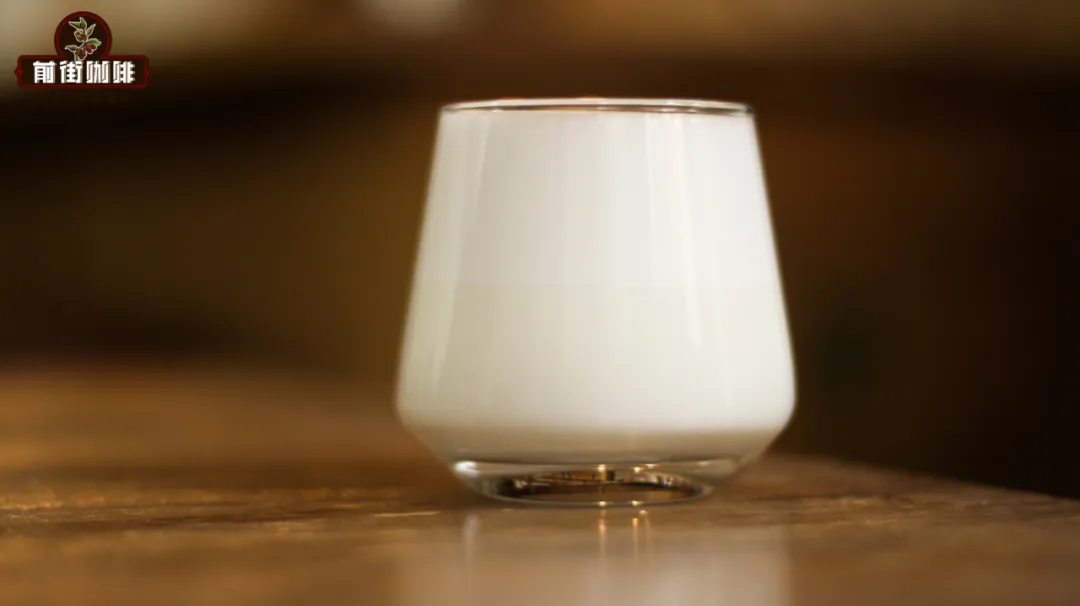
To avoid this, it is advisable to control the intensity and duration of steaming, observing changes in the milk’s temperature and texture to ensure the foam is fine yet not excessively expanded or water-laden. Ideally, milk should be steamed to a temperature between 55°C and 65°C. This range balances foam stability and fluidity, helping maintain clear and three-dimensional patterns during pouring.
The above content is compiled by CoffeeHunters, a coffee news website.


