Introduction:Do you know how a cup of coffee transforms from a fruit on a tree into the rich beverage in your hand? From seed germination and fruit harvesting, to processing and roasting, then grinding and brewing—each step deeply influences the final flavor profile. This article will take you on an in-depth journey of coffee, from farm to cup, uncovering the secrets behind its flavors and offering practical insights on processing and brewing methods, so you can better appreciate the story behind every sip.
Countless people enjoy coffee every day, but very few truly understand where it comes from. Before you savor that rich cup, the tiny bean has already undergone a journey—from being a fruit on a tree, processed at a mill, roasted, and finally arriving in your cup. This seemingly simple yet incredibly intricate journey is worth savoring and understanding.
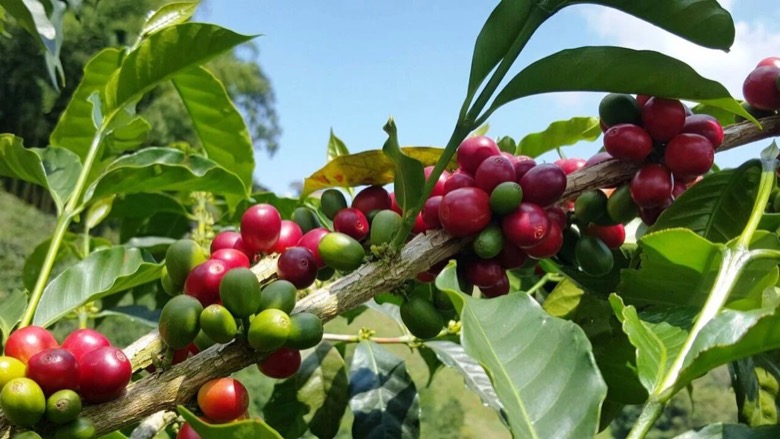
Everything begins with a coffee seed. Take the common Arabica variety, for example—it typically takes about three to four years after planting before it flowers. Around eight to nine months after the flowers wither, the coffee cherries gradually mature. During this period, the environment, climate, and management all impact the final quality of the fruit. When the cherries turn from green to bright red, it’s a sign they’re ready to be harvested. At this point, farmers get busy picking the ripe fruits. It’s worth noting that in Ethiopia’s Kafa virgin forest—also known as a certain virgin forest region—Arabica coffee has naturally grown on this land for thousands of years and is regarded as an important genetic reservoir of global wild Arabica varieties, as well as the starting point for many coffee flavor stories.
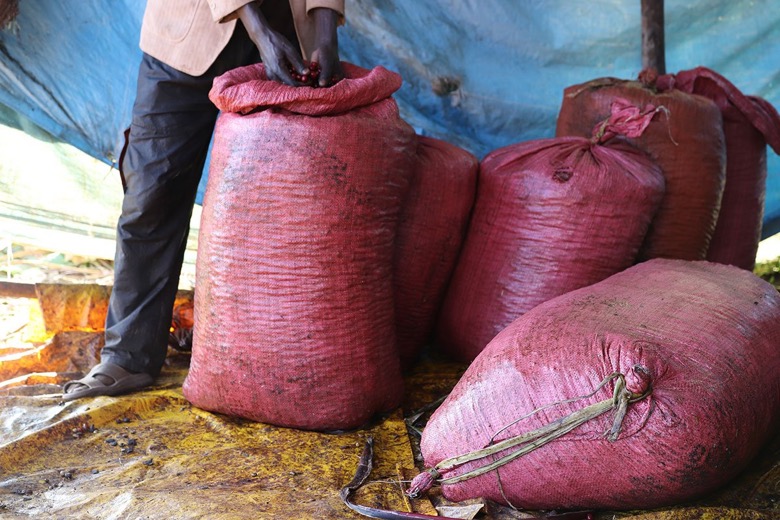
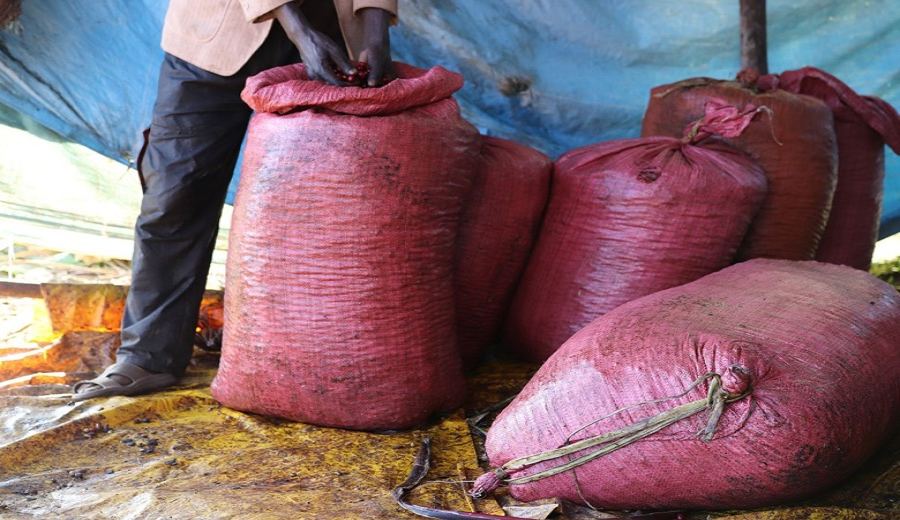
Once the coffee cherries are harvested, they must be processed quickly to prevent fermentation or spoilage. The processing method greatly affects the final flavor characteristics of the beans. Common processing methods include natural (sun-dried) and washed. The natural method involves drying the whole coffee cherry in the sun for several weeks, allowing the sugars in the pulp to slowly seep into the bean core, imparting a richer sweetness and fruity aroma to the coffee—for example, certain Geisha varieties that undergo 14 to 20 days of slow sun-drying often exhibit particularly outstanding and layered sweetness.The washed methodon the other hand, first removes the outer pulp, then proceeds with fermentation and washing, resulting in a cleaner and brighter coffee taste, making it ideal for highlighting delicate flavors such as citrus, berries, or floral notes. For instance, Kenya’s commonly used double washed process employs a special 72-hour fermentation treatment that more effectively brings out fruity aromas while maintaining a clean flavor profile—a classic taste cherished by many specialty coffee enthusiasts.
Next, the green beans enter the roasting stage. This step is key to unlocking the flavors and aromas of what were originally nearly flavorless beans through high-temperature reactions. Light roasting preserves more floral and fruity notes along with bright acidity, making it suitable for bean varieties that emphasize acidity and aroma—such as some coffees from the Yirgacheffe region. Medium to dark roasting allows the sugars in the beans to undergo caramelization, bringing out a richer sweetness and fuller body. If you prefer bold flavors, dark roasting is a common choice; it offers lower acidity and highlights notes of chocolate, nuts, and even herbal scents. However, the skill of the roaster lies in mastering the heat and timing to find the optimal balance—bringing out the bean’s inherent potential while maintaining drinkability and complexity.
The final step is grinding the roasted beans and brewing the coffee. This stage is equally crucial, as grind size, water temperature, and brewing time all significantly affect extraction efficiency and flavor expression. For example, pour over coffee typically recommends using a medium-fine grind, with water temperature controlled between 90 to 94°C, while espresso requires a finer grind and higher pressure. Different brewing methods also influence the final personality of the coffee you taste. For instance, milk-based drinks like lattes or cappuccinos often use blends with rich crema and body, whereas single-origin pour overs better showcase the unique character of the origin and processing method. At this stage, details determine success or failure—and it’s also where every coffee lover can personally adjust and explore the fun.
From a seed falling into the soil to a cup of coffee sliding across your tongue, this entire process may take years and involve the efforts of countless hands and the cooperation of natural conditions. Every sip of coffee is more than just a beverage—it’s a journey connecting land, climate, people, and time. The next time you pick up a coffee cup, take a moment to quietly savor the story and care behind that aroma.
The above content is compiled by CoffeeHunters, a coffee news website.