Introduction:Panamanian coffee is often equated solely with Geisha, but in reality, this Central American country's coffee charm extends far beyond a single variety. From the high-altitude volcanic regions of Chiriquí Province to the distinctive micro-regions, each hillside nurtures unique coffee flavors. This article will take you on a deep dive into the main production areas of Panama, their climate influences, and how to explore the delicate differences among various micro-regions through pour over.
When it comes to Panamanian coffee, many people’s first thought is “Geisha.” Ever since the Red Label Geisha from Hacienda La Esmeralda shone brightly in international competitions, Panama seems to have become synonymous with Geisha. However, what truly sets Panamanian coffee apart is its rich and diverse micro-regions and unique terrain. These small regions scattered among mountains and clouds are the true foundation of Panama’s specialty coffee status.
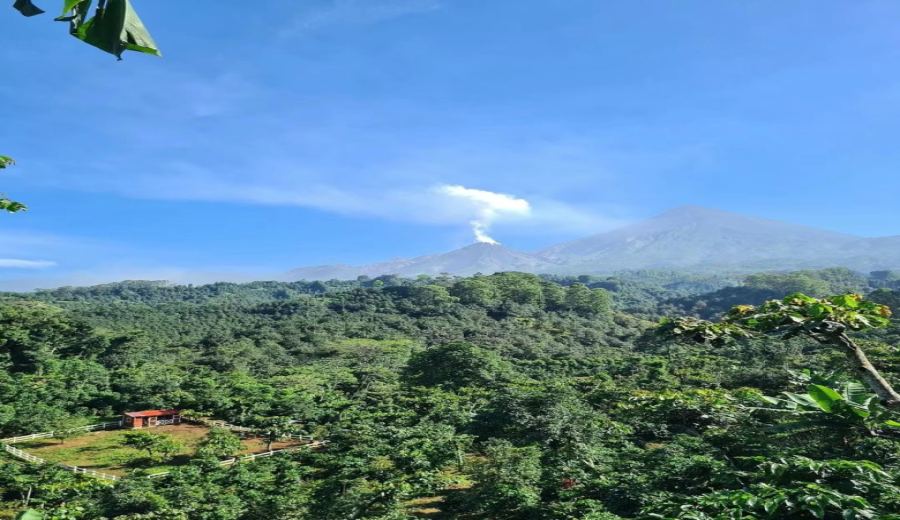
Chiriquí Province is the core area of Panama’s coffee-growing regions, with Boquete being the most well-known. Located next to the Barú Volcano, it boasts mineral-rich volcanic ash soil, combined with high altitude and year-round cloud cover, resulting in significant day-night temperature variations. These conditions slow down the ripening of coffee cherries, allowing them to accumulate richer flavor compounds.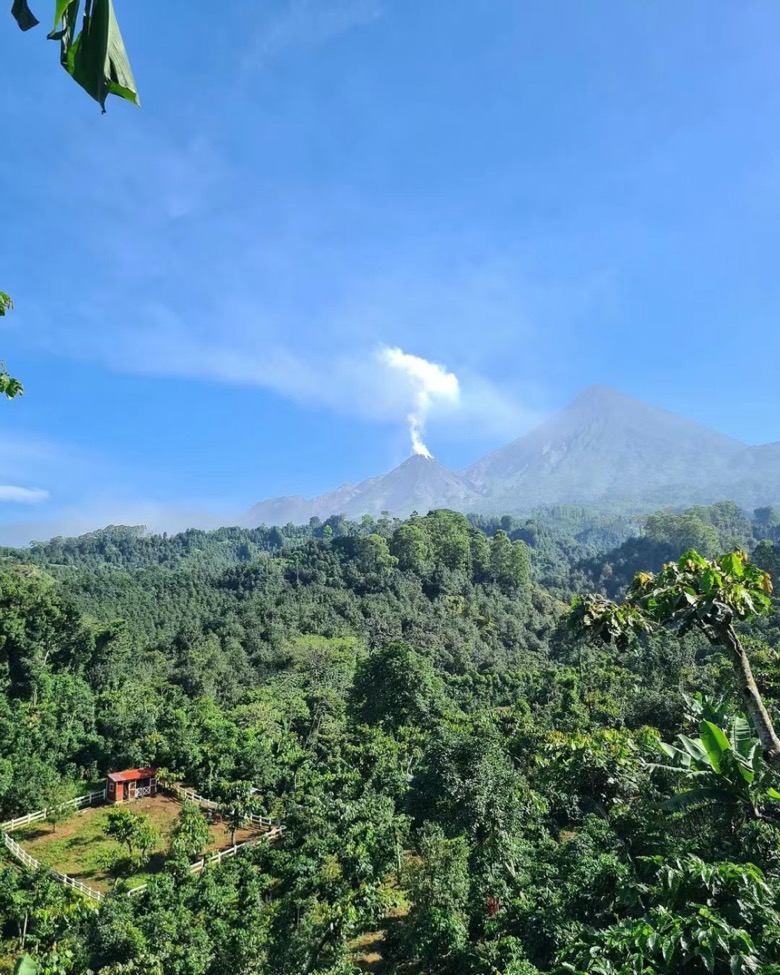 Coffee produced in such an environment often features bright acidity, complex floral and fruity notes — such as classic jasmine, citrus, and bergamot tones — paired with a clean, smooth mouthfeel and a long-lasting aftertaste, making it a benchmark flavor many Geisha enthusiasts admire.
Moving further south, you’ll find the Volcán region, which is also influenced by the Barú Volcano. Compared to Boquete, Volcán has a drier climate, and the coffee produced here tends to have more intense and concentrated flavors. It’s worth mentioning that because the Barú Volcano spans different microclimates, just on either side of the volcano, you can find coffees with vastly different flavor profiles — some showcasing delicate floral notes, others highlighting rich fruitiness. This microclimatic diversity is one of the reasons Panamanian coffee is so fascinating.
If you’re looking for a more value-for-money Geisha, consider the more remote Renacimiento region. Located near the border with Costa Rica and also within Central America’s high-altitude mountain coffee belt, it enjoys a cool climate with a relatively longer maturation period for coffee cherries, resulting in excellent balance between acidity and sweetness. Additionally, due to frequent varietal exchanges with Costa Rica, planting techniques and processing methods in this area are quite advanced. Though not as famous as Boquete, estates in Renacimiento often offer Geisha options with outstanding flavors and relatively more accessible prices.
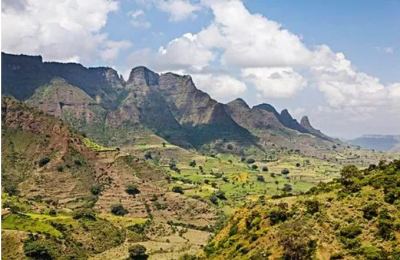
Many people mistakenly think Panama only grows Geisha, but in fact, before Geisha’s rise to fame, local farmers also widely cultivated traditional varieties like Catuaí and Catimor. Geisha’s international popularity has encouraged Panamanian coffee farmers to invest more in varietal selection and innovative post-harvest processing experiments. Interestingly, Geisha is originally a native variety from Ethiopia, so tasting Geisha from different origins often reveals significant terroir differences. For example, some regions offer Ethiopian native variety Geishas processed with up to 14 to 20 days of sun-drying, showcasing intense tropical fruit flavors like guava, apricot, and strawberry jam — a vivid contrast to the fresh citrus notes of high-altitude Panamanian Geisha.
If you plan to visit Panama’s coffee regions in person, it’s recommended to arrange different routes for a deeper experience: Boquete is ideal for visiting well-known estates and admiring the spectacular volcanic landscapes; Volcán allows you to observe how a dry climate shapes unique coffee personalities; and Renacimiento is the perfect destination for travelers who enjoy a quiet cup and are seeking high cost-performance Geisha.
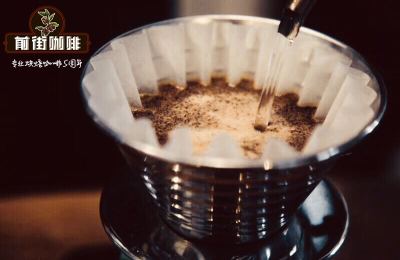
For coffee lovers unable to visit in person, you can also start with a classic Panamanian Hacienda La Esmeralda Red Label Geisha, paired with an Ethiopian highland Geisha also processed with sun-drying, and compare their flavor structures through pour over — the clarity of high-altitude acidity, the layering evolution of fruit aromas, and even the expression of sweetness can help you better understand the subtle differences behind the word “origin.”
In summary, Panama’s charm lies not in a single brand or variety, but in the coffee map woven together by volcanoes, clouds, valleys, and countless micro-regions. Whenever you hold a cup of coffee from Panama, ask yourself: from which slope did the flavors in this cup originate?
The above content is compiled by CoffeeHunters, a coffee news website.