







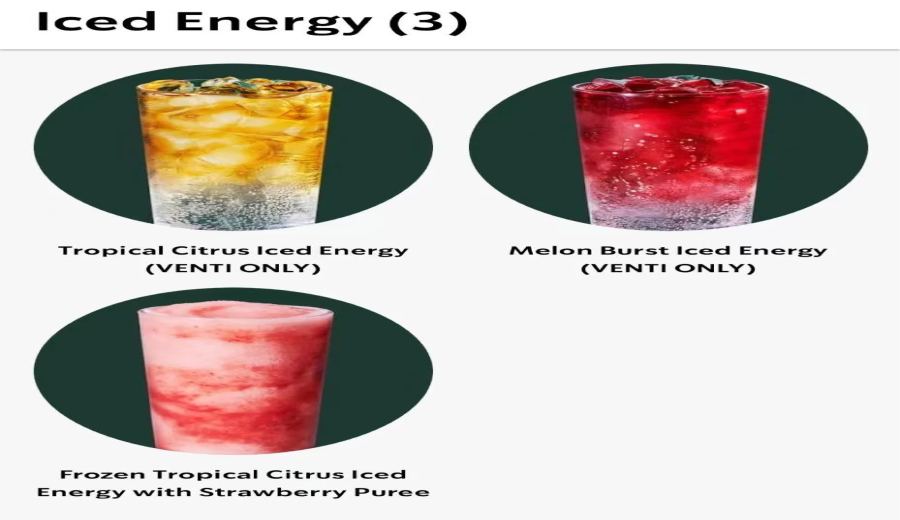
Introduction:Starbucks has launched a new Iced Energy iced energy drink series in the United States, with each cup containing up to 205 milligrams of caffeine — equivalent to two cans of Red Bull or six cans of Coca-Cola. These eye-catching, low-calorie beverages come in two flavors: Tropical Citrus and Melon Burst. Since their release, they have sparked widespread consumer discussion regarding the safety of caffeine intake. This article provides an in-depth analysis of the product's ingredients, market background, along with expert advice and practical precautions.
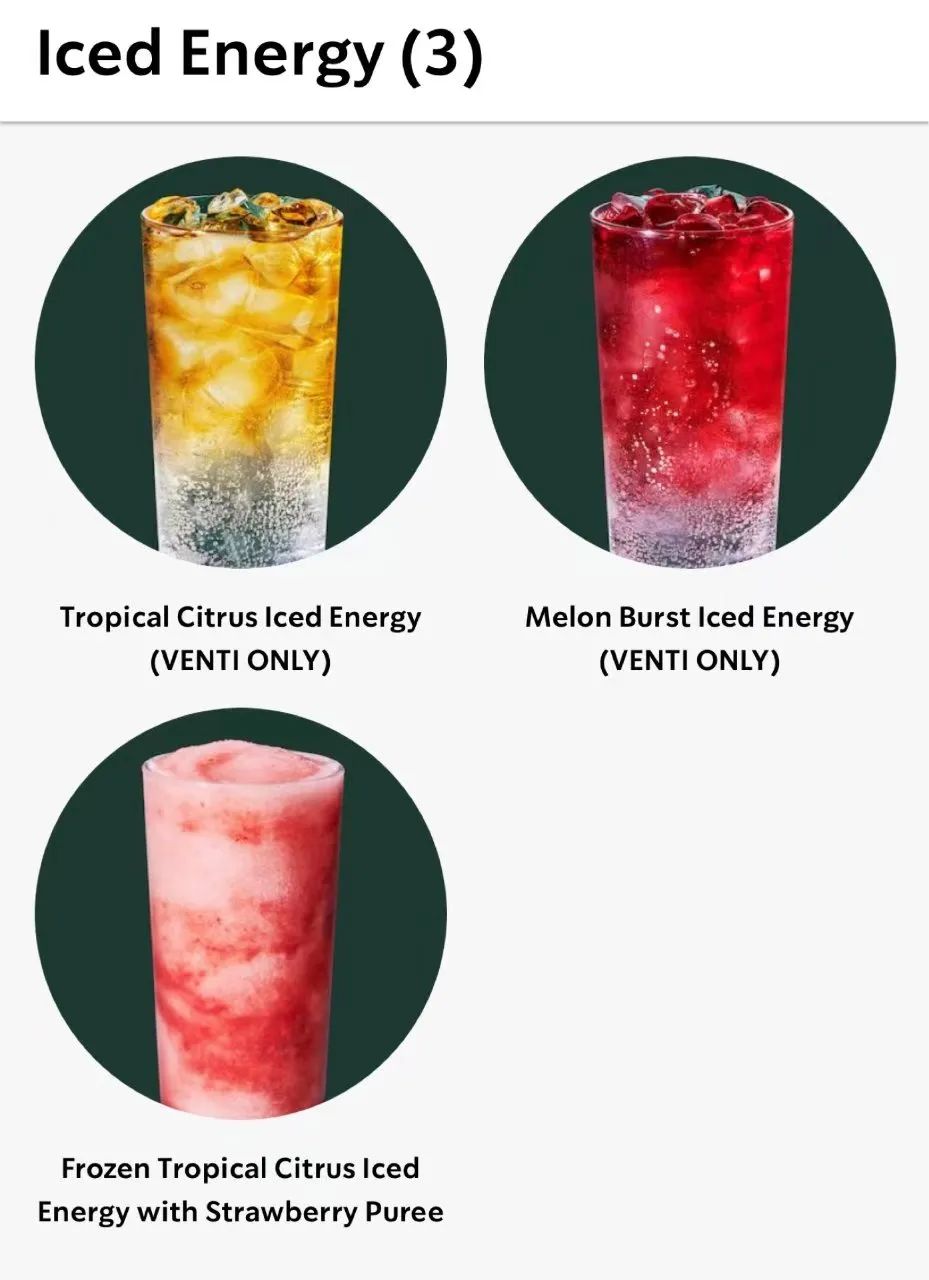
Recently, Starbucks introduced the Iced Energy iced energy drink series across all its U.S. stores. The initial launch includes three new products, one of which is available exclusively via the app, while only the Tropical Citrus (tropical citrus) and Melon Burst (melon burst) flavors are sold in physical locations. These drinks attract attention with their bright, vibrant colors and refreshing taste. Officially marketed as low-calorie and sugar-free, they have quickly become popular choices for young people seeking photogenic beverages.
However, upon closer inspection of the ingredient list, it turns out that this seemingly non-traditional coffee iced drink contains205 milligrams of caffeine— a figure not only surpassing the caffeine content in a Starbucks Grande latte, but also equivalent to drinking six regular cans of Coca-Cola or two cans of Red Bull energy drinks. Some customers sensitive to caffeine have reported side effects such as nighttime insomnia after consumption.
Looking at the U.S. market, energy drink sales have seen astonishing growth in recent years. According to statistics from the Chicago-based market research firm Circana, the U.S. energy drink market was valued at approximately $13.5 billion at the end of 2019, but had soared to $22 billion by May 2024. Capitalizing on this trend, numerous brands have been competing to launch innovative products. For example, the well-known bakery and coffee chain Panera Bread once introduced Charged Lemonade, with a single serving containing390 milligramsof caffeine, which became a hot topic in the market at the time.
However, the safety controversy surrounding high-caffeine beverages has subsequently emerged. During 2023, Panera Bread’s Charged Lemonade was reported to be linked to two fatalities, neither of whom were informed about the actual ingredients of the drink, leading to multiple lawsuits. The brand eventually began phasing out the product starting May 7.
Notably, although no safety incidents have been reported in connection with Starbucks’ newly launched Iced Energy,205 milligrams of caffeineis close to the upper daily limit recommended by the U.S. Food and Drug Administration (FDA) for adults, which is 300 milligrams. Industry insiders caution consumers to pay attention to cumulative intake and avoid consuming multiple caffeinated beverages simultaneously, which may lead to excessive bodily strain.
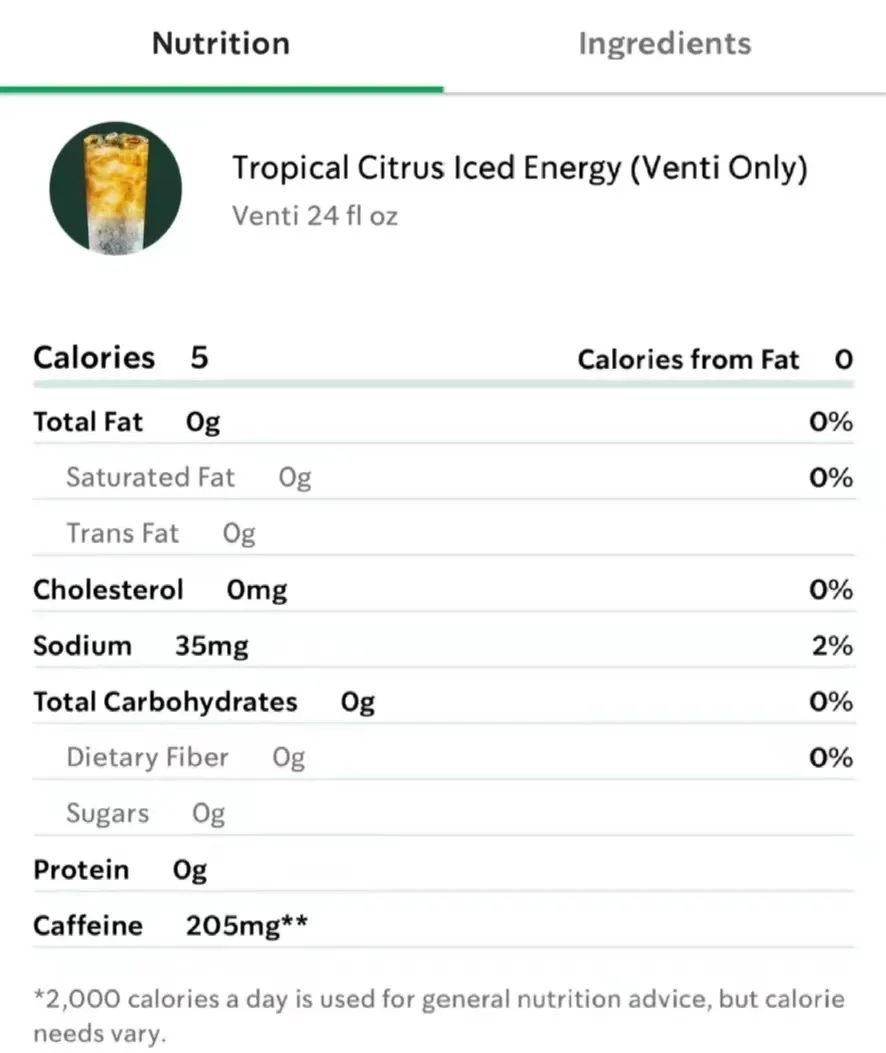
Regarding potential risks to children and adolescents, the American Academy of Pediatrics explicitly advises against the consumption of energy drinks by this group. Since Iced Energy resembles fruit juice drinks in appearance, there are concerns it may attract underage customers to try it out of curiosity. In response, Starbucks stated that all store menus clearly display the product’s ingredients and nutritional information, leaving the choice to customers’ own discretion.
Experts recommend that individuals assess their personal caffeine tolerance before purchasing highly caffeinated drinks, and pay attention to the timing of consumption (avoiding intake within six hours of bedtime) to reduce the likelihood of sleep disturbances or symptoms such as palpitations. Additionally, special groups such as pregnant women and those with cardiovascular diseases should carefully evaluate the associated risks.
The above content is compiled by CoffeeHunters, a coffee news website.


