








Introduction:Want to enjoy a latte but afraid of bitterness? Flavored lattes are a gentle entry point into espresso-based drinks. This article delves into the logic behind syrup pairings in flavored lattes, debunks the myth of whether you can froth milk with added sugar, and shares practical tips to elevate flavor complexity. From fundamental principles to key points for making it at home, we’ll guide you through mastering the secrets of café-quality smooth milk coffee — complete with step-by-step visual instructions.
For those unaccustomed to the bitter taste of coffee, flavored lattes offer a friendly introduction. This milk coffee, based on espresso and infused with flavored syrups and fresh milk, retains the richness of coffee while buffering the bitterness with sweetness and fruity or floral notes. This article will systematically break down the key elements of making a flavored latte — from syrup selection strategies to details of milk foam handling — helping readers build a complete operational framework.

Syrups play a dual role in flavored lattes: besides providing sweetness, they also impart a thematic flavor to the drink. Common choices include caramel (adding a creamy sweetness), vanilla (bringing out a warm milky aroma), hazelnut (creating a European vibe), as well as seasonal options like matcha or salted caramel. It’s recommended to test ratios based on personal preference — generally, adding 15–20ml of syrup per 300ml of drink achieves balanced sweetness, with too much easily masking the intrinsic flavor of the coffee.

Regarding the practical question of whether you can froth milk with sugar added, the answer depends on the form of the sugar. Granulated or powdered sugar can be mixed with milk for frothing, but three key points should be noted: first, the coarseness of the sugar grains affects frothing efficiency — it’s recommended to use sifted fine granulated sugar; second, the milk temperature should be kept below 40–50°C to avoid caramelization due to high heat; third, whole milk, with its higher fat content (around 3.2%–4%), is more suitable for this process, producing a dense and stable foam structure. Practical tests show that adding 3–5g of sugar per 100ml of milk is ideal — too much will reduce the foam’s stretchability.

The texture of the milk foam is crucial to the final mouthfeel. The ideal state should be “wet microfoam” — when touched lightly with the back of a spoon, the foam should gently cling like mousse, rather than drying out and separating. Before frothing, ensure the steam wand is clean. Pour the milk into a pitcher until it’s one-third full, and when starting the steam, keep the wand at a 10–15 degree angle to the milk surface, with a depth of about 1cm. When the foam volume expands to 1.5 times the original milk amount and fine patterns appear on the surface, the ideal state is reached — over-frothing will create large bubbles that affect smoothness.
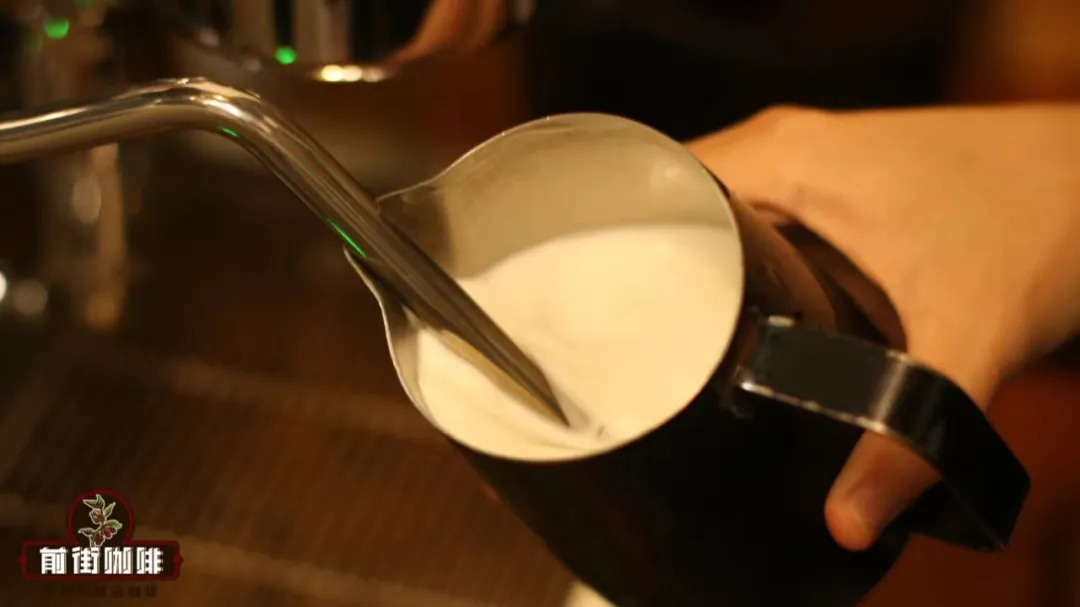
When assembling a flavored latte, following the sequence of “syrup first, then milk” optimizes flavor integration. First, pour 5–8ml of the selected syrup into the bottom of a preheated cup, then add the extracted espresso (recommended as a double shot, about 30–40ml), and finally slowly pour the frothed milk to fill it to about 80% full. This process ensures the syrup is evenly distributed at the bottom of the cup, fully interacting with the espresso, while maintaining the fluffy texture of the foam. If using sugar-added frothed milk, it’s recommended to reserve an extra 1–2 spoonfuls of unsweetened frothed milk to cover the surface, balancing the overall sweetness curve.

Advanced techniques can create varied flavors through layering. For example, pour half the syrup mixed with the espresso first, then add some milk foam to form a base, and finally use a spoon to assist in pouring the remaining foam on top, creating both visual and flavor variation. For home preparation, steaming can be replaced by using a handheld milk frother on chilled fresh milk — although the foam may be slightly less fine, it still meets basic requirements. The key lies in keeping the milk fresh (it’s recommended to use packaged fresh milk with a fat content ≥3.5%), and strictly controlling the frothing time within 20–30 seconds.

Some coffee brands on the market have already launched pre-formulated products, such as low-bitterness espresso bases designed for consumers who dislike bitterness, or flavor syrup combinations containing natural sweeteners. These designs lower the barrier to home replication, allowing users to more precisely control sweetness and flavor intensity. Practical tests show that using caramel syrup with a small amount of sea salt (in a ratio of about 1:10) can effectively neutralize coffee acidity and enhance overall smoothness — suitable for first-time tasters of flavored lattes.

The above content is compiled by CoffeeHunters, a coffee news website.


