







Introduction:The extraction time of espresso is often a key variable that many coffee enthusiasts adjust to fine-tune flavor. But here's the question: should the extraction time start when you press the machine’s button, or only after the coffee begins to flow? This seemingly minor difference can actually affect the overall judgment of extraction. This article delves into the timing logic behind both espresso and pour over coffee, helping you understand how time influences flavor and how to make precise adjustments based on extraction time.
In the coffee extraction process, the starting point of time calculation often causes confusion. Many people brewing espresso hesitate about whether to start the timer the moment they press the extraction button, or only once the coffee liquid actually starts flowing. Although it may seem like just a few seconds’ difference, this slight delay can lead to incorrect judgments about the extraction state, thereby affecting the flavor performance of the entire cup.
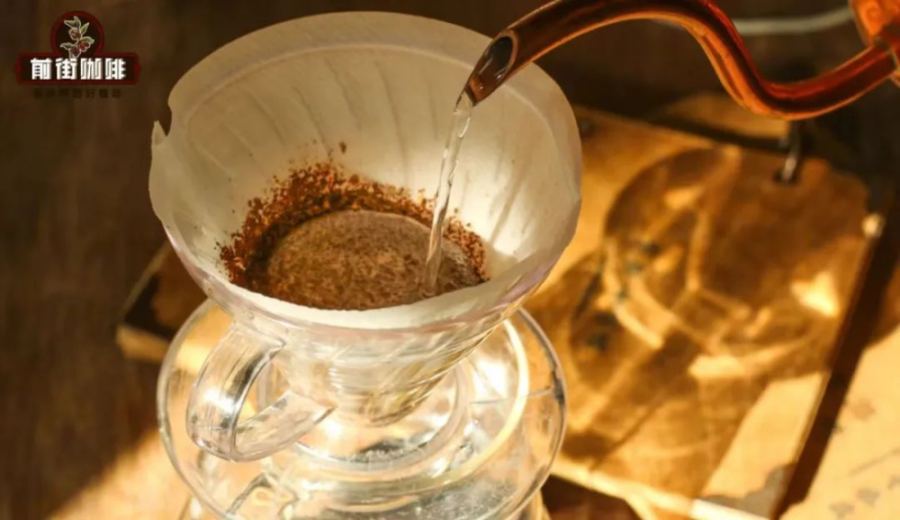
To clarify this issue, we must first understand what true “extraction” means. Simply put, extraction is the process by which water, acting as a solvent, dissolves and draws out the flavor compounds inside coffee beans. Therefore, the moment water comes into contact with coffee grounds, extraction has already begun—regardless of whether you can see the coffee liquid flowing. Whether it's the blooming stage in pour over coffee or the pressurized extraction in espresso, as long as water starts interacting with the coffee grounds, the timer should be started simultaneously.
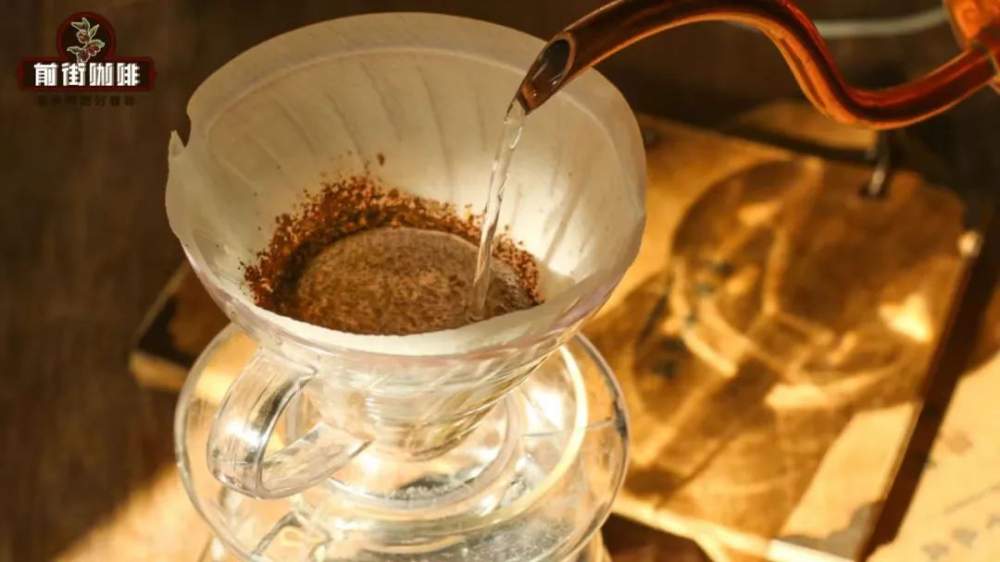
Some people are accustomed to waiting until the blooming phase ends or the first drop of coffee appears before starting the timer. However, this practice may result in a time discrepancy of around seven to eight seconds. These seemingly insignificant seconds can cause serious deviations in flavor interpretation when making precise adjustments to extraction parameters, thus affecting your judgment basis regarding coffee beans, grind size, and machine settings.
Time plays such a critical role in coffee extraction because it is itself an important extraction parameter. But unlike other variables such as grind size, water temperature, pressure, and water volume—which can be actively adjusted—time cannot be directly controlled manually; it can only be influenced by adjusting other parameters. This means that if you find your extraction time unstable, it likely indicates that other influencing factors have not yet been optimized.
For example, when you adjust the grind fineness or the amount of coffee, the speed at which water flows through the coffee puck changes, which in turn affects the total extraction time. Therefore, the length of time actually reflects the balance state of the entire extraction system and is also a key clue for diagnosing extraction problems.
Specifically, extraction time refers to the total time it takes for water to pass through the coffee bed. When the resistance of the coffee puck is greater—such as with a finer grind or more coffee—the water finds it harder to penetrate quickly, leading to a longer overall extraction time. During this extended period, water continues to dissolve various flavor substances from the coffee grounds, including acidity, sweetness, body, and bitterness. In other words, the longer the water is in contact with the coffee grounds, the richer the extracted components will be; conversely, the flavor may end up weak or incomplete.
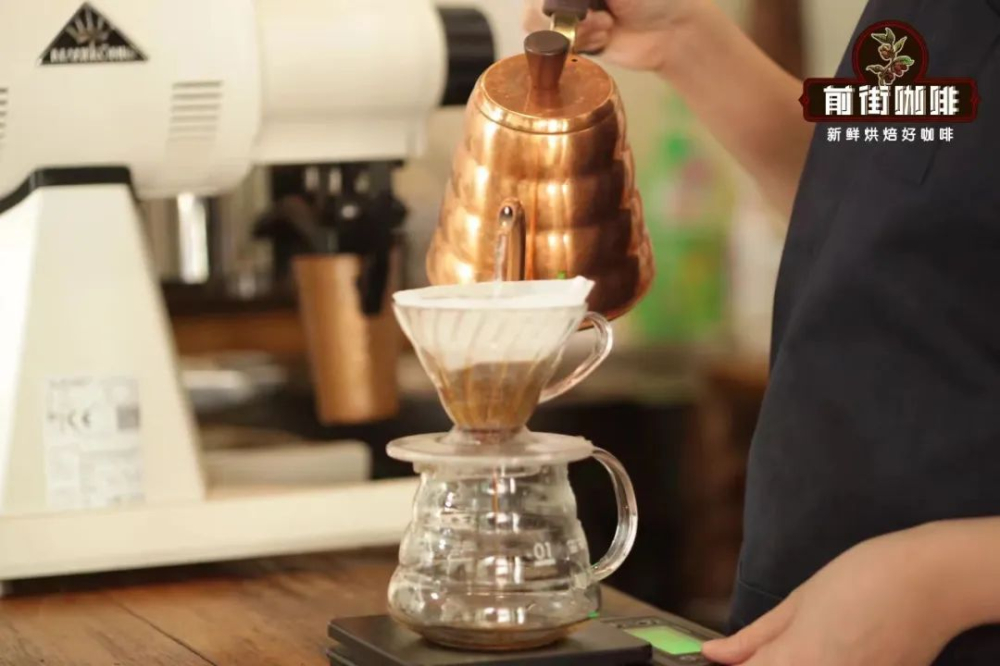
Therefore, when you notice obvious issues with the coffee’s flavor, extraction time can help you quickly identify possible directions for adjustment. For instance, in pour over coffee, if you feel the brew is under-extracted, tasting thin and lacking layers, it’s usually due to low water temperature, too coarse a grind, or fast pouring resulting in too short an extraction time. On the other hand, if the coffee tastes over-extracted, with noticeable astringency and off-flavors, it might be because the time is too long, the grind too fine, or pouring has stagnated for too long.
Taking common pour over references as an example, when using 15 grams of coffee beans, the recommended total extraction time is two minutes. If the actual extraction time is shorter than two minutes, it may indicate the need to adjust the grind to be finer, improve pouring uniformity, or enhance stirring techniques; if it exceeds two minutes, you may need to check whether the water temperature is too low or hand stirring is insufficient. By stabilizing and controlling extraction time, you can also gain a clearer understanding of how other parameters actually influence flavor.
The same principle applies to espresso. Under fixed pressure (typically 9 bar), water temperature, and target yield, the only variables that can significantly affect extraction time are the grind fineness and the amount of coffee. When you find the flavor of the espresso shot is unbalanced—perhaps too sour, astringent, or thin—you can first check whether the extraction time deviates significantly from the standard range. If the time is too short, you might need to adjust the grind finer or slightly increase the coffee dose; if the time is too long, the opposite adjustments may be needed to allow water to flow more smoothly through the coffee bed.
Additionally, many beginners mistakenly believe that espresso extraction time should begin when the coffee starts dripping. However, because the puck creates significant resistance under high pressure, and residual carbon dioxide in the coffee beans delays water penetration, even as the machine starts, water is already in contact with the coffee bed and undergoing a pre-infusion stage of extraction. Therefore, whether it's pour over or espresso, the correct timing starting point should be from the first contact between water and coffee grounds—that is, the moment you press the extraction button or begin pouring water.

In summary, mastering the correct starting point for extraction timing and understanding the impact of time on flavor is an essential skill for every coffee enthusiast when adjusting and optimizing the brewing process. Whether you focus on pour over or espresso, steadily and precisely tracking extraction time can help you face various variables with more confidence, further enhancing the expressiveness and consistency of your coffee’s flavor.
The above content is compiled by CoffeeHunters, a coffee news website.


