







Introduction:As the world’s largest producer of Robusta coffee, Vietnam has recently seen a rare instance where Robusta prices surpassed Arabica prices for the first time in nearly 50 years. Driven by factors such as abnormal weather and tight supply, Vietnamese coffee export prices have surged, with May seeing a year-on-year increase of 63.6%. This article delves into the reasons behind this price inversion, changes in market supply and demand, as well as future price trends, helping coffee professionals and enthusiasts stay on top of market movements.
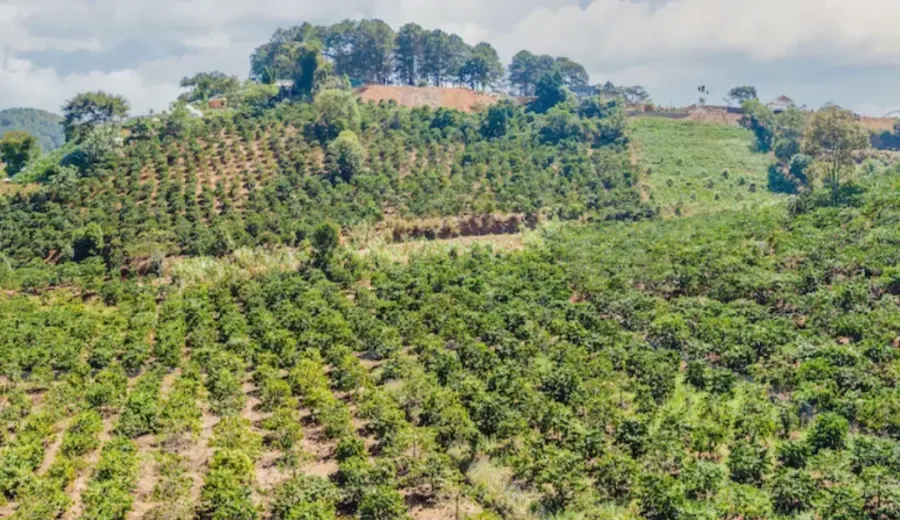
Vietnam sits firmly atop the global throne of Robusta coffee production, though it also grows a small amount of Arabica beans. In terms of variety distribution, Robusta accounts for approximately 95% of Vietnam’s total coffee output, while Arabica makes up only about 5%.
For many years, even though Vietnam’s Robusta output has far exceeded that of Arabica, its price has typically been lower than that of Arabica. However, this norm has recently seen a startling reversal.
According to statistics from the Vietnam Coffee - Cocoa Association (VICOFA), in May this year, the average export price of Vietnamese Robusta coffee reached $3,920 per ton, while the average export price of Arabica coffee for the same period was $3,888 per ton. This phenomenon marks the first time in nearly 50 years that Vietnamese Robusta prices have surpassed Arabica prices, which warrants close market attention.
Moreover, insiders in Vietnam reveal that actual transaction prices are even higher than the official figures. Currently, the spot price of Robusta coffee in Vietnam ranges between 132 million and 139 million Vietnamese dong per ton, while the spot price of Arabica coffee is between 100 million and 130 million Vietnamese dong per ton.
Data also shows that from January to May this year, the average export price of Vietnamese coffee was $3,428 per ton, up 50% from the same period last year. In May alone, the average export price reached $4,208 per ton, not only rising 11.7% month-on-month from April but also surging 63.6% compared to May last year.
Experts point out that the key reason Robusta prices have been able to surpass Arabica lies in the imbalance of supply and demand in the market. Although Brazil has recently reported simultaneous growth in Robusta production and exports, it still struggles to fill the production gap in Vietnam and Indonesia caused by climate issues.
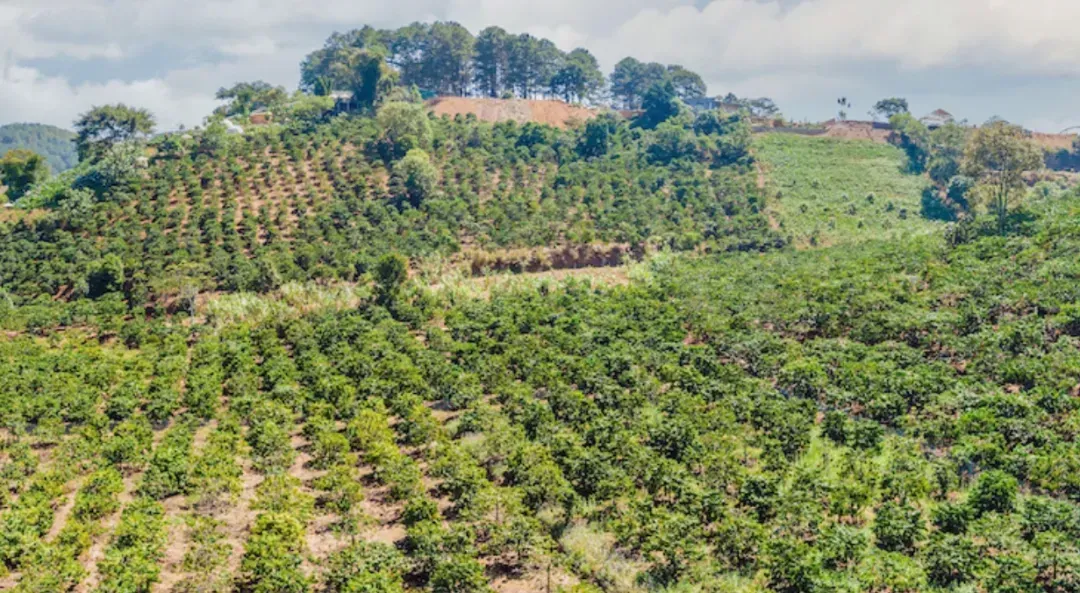
It is worth noting that although Vietnam’s coffee exports have increased along with rising prices, prolonged high temperatures and droughts continue to plague the country, which may lead to declines in both production and export volumes in the second half of the year. The Vietnam Coffee - Cocoa Association stated that its previous prediction of a 20% reduction in Vietnam’s coffee exports for the 2023/24 season remains unchanged. Since more than 1.2 million tons of coffee have already been exported this year, surpassing performance from the same period last year, this indicates low market inventory and strong demand, with domestic coffee prices expected to remain high in June.
In the past, many roasters often blended Robusta and Arabica to adjust flavor and cost when making blends. However, with the surge in Robusta prices, some producers may adjust their recipes by increasing the proportion of Arabica to maintain product cost-performance.
The good news is that Brazil’s new Robusta season has already begun, and the harvest is going well. The Brazilian Coffee Exporters Council (Cecafé) estimates that Brazil’s Robusta coffee exports for the 2023/24 season are expected to reach 46.3 million bags (each bag weighing 60 kilograms), setting a historical record. This increase in supply is expected to ease the pressure of continuously rising Robusta prices, bringing some relief to the market.
The above content is compiled by CoffeeHunters, a coffee news website.


