








Introduction:Coffee cleanliness is one of the core metrics for evaluating coffee quality and directly impacts flavor expression. This article starts with the strict cleanliness standards of the COE competition, explores the historical issues in Brazil — the world’s largest coffee-producing country — stemming from early mechanical harvesting and crude sun-drying methods, and further discusses how roasting and brewing stages can further affect cleanliness. From origin to cup, it takes you through the key steps behind a high-quality cup of coffee.
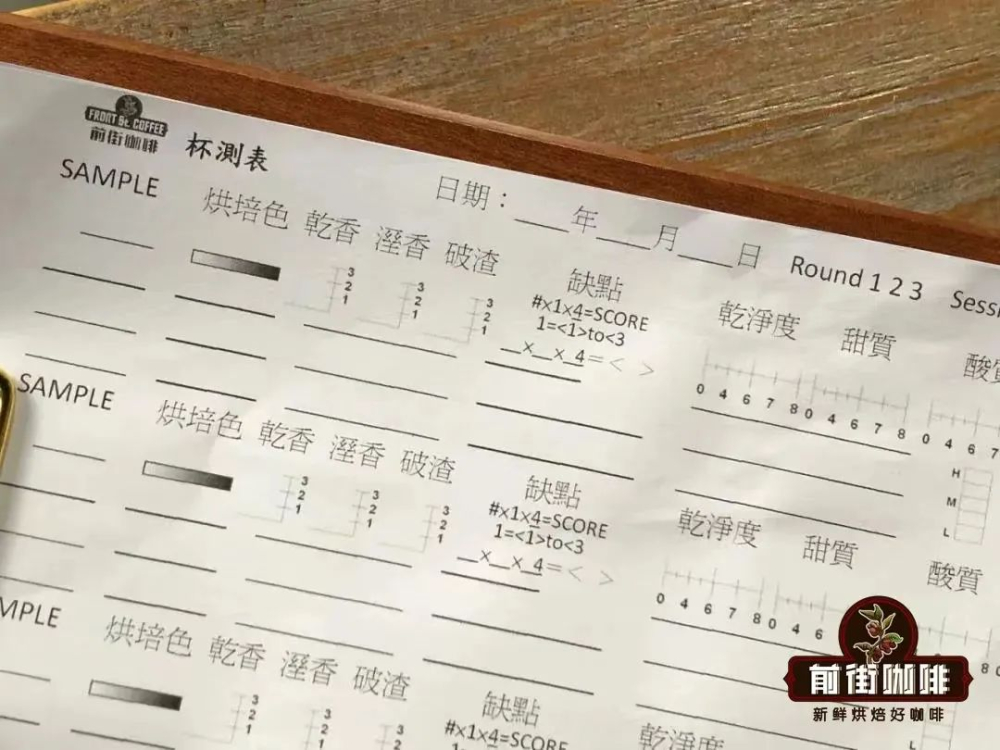
Cleanliness is an important dimension in coffee tasting that should not be overlooked. It refers to whether negative elements that interfere with flavors — such as earthy, hay-like, or woody off-notes, or unpleasant mouthfeels like astringency or dryness — appear during drinking. These problems may stem from any stage of origin processing, roasting, or brewing. The COE (Cup of Excellence) cupping particularly lists cleanliness as a key scoring criterion precisely to ensure that coffee displays its purest flavor potential.
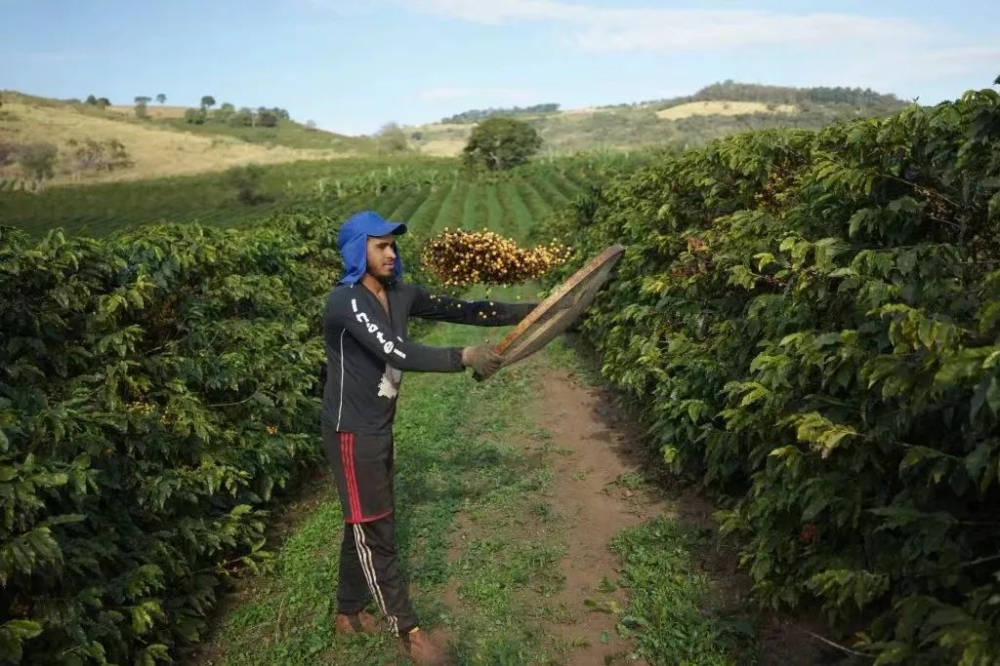
Every step from origin to cup can influence the final cleanliness performance. Take Brazil, for example — the world’s largest coffee producer, accounting for over a third of global output. In the past, due to the need to handle massive production volumes, machine harvesting became the norm, which led to systematic challenges in coffee quality. Brazil produces over 30 million bags of coffee annually (each bag weighing 60 kilograms), but because of its flat terrain and cost considerations, harvesting largely relies on mechanical operations.
The limitation of machine harvesting lies in its inability to distinguish fruit ripeness, often harvesting unripe green cherries alongside fully red ones. Unripe coffee cherries carry a distinct green, astringent taste — much like biting into an underripe fruit — and if such beans are not sorted out during subsequent processing, they will directly drag down the flavor purity of the entire batch. A more troublesome issue is that many Brazilian coffee farms in the past used crude sun-drying methods — spreading the coffee cherries directly on the ground to dry.
This processing method was quite common in the era when the concept of specialty coffee had not yet taken hold, but it easily allowed coffee beans to absorb dust and impurities, resulting in unpleasant off-flavors such as earthiness and hay. Even worse, if sun-drying was poorly managed, the cherries could become moldy or infested by insects, further degrading the flavor. The solution at the time was often to roast the beans more deeply to mask defects with bitterness. But with the rise of light roasting trends, these problems could no longer be hidden.
Even though modern Brazil has improved its harvesting and processing techniques, it is still difficult to completely avoid a small number of defective beans. Therefore, before roasting, producers typically manually remove discolored beans, broken beans, and other flawed beans to ensure uniform bean quality entering the roaster. Next, the roasting and brewing stages also have a critical impact on cleanliness.
During the roasting process, coffee beans release moisture and expand, and the silver skin (the cocoon-like outer layer of the coffee bean) sheds at this stage. If the air vent settings are improper, the silver skin can easily burn into fine charcoal particles at high temperatures, adhering to the bean surface and bringing smoky or charred notes — such foreign tastes directly undermine cleanliness. Additionally, when under-roasted, the bean core is not fully developed and can retain green, astringent, and hay-like sensations; meanwhile, freshly roasted coffee beans, due to their high carbon dioxide content, not only hinder flavor release during brewing but may also cause throat dryness — all common consequences of roasting parameter errors.
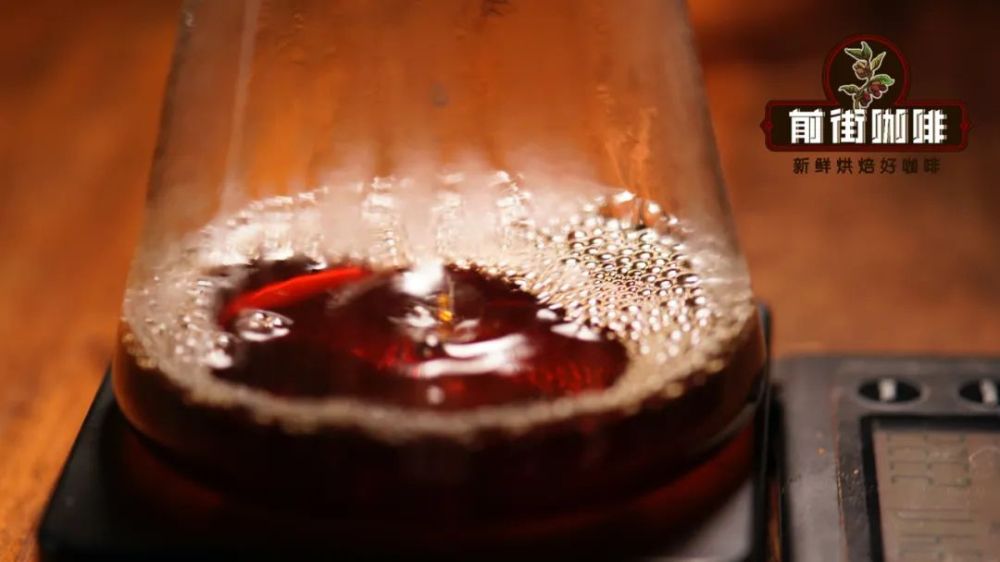
Finally, let’s look at the impact of the brewing stage. Under-extraction highlights the sharp acidity, greenness, and hay-like notes in coffee because the positive flavors are not fully drawn out; conversely, over-extraction allows negative substances like woody or smoky notes to accumulate beyond the palate’s tolerance threshold. Mastering the appropriate grind size, water temperature, and brewing time (for example, hand pour over recommends a coffee-to-water ratio of 1:15 to 1:16, with a water temperature of 90–94°C) is essential to avoiding these pitfalls and allowing the coffee’s cleanliness to be fully expressed.
In summary, the cleanliness of a cup of coffee is the result of fine collaboration across the entire industry chain. From origin harvesting and sorting, processing methods, to roasting heat control, and even brewing parameter settings, each stage plays a key role. Understanding these underlying principles not only helps consumers choose higher-quality coffee beans, but also enables enthusiasts to more precisely adjust variables at home for a purer and more enjoyable coffee experience.
The above content is compiled by CoffeeHunters, a coffee news website.


