







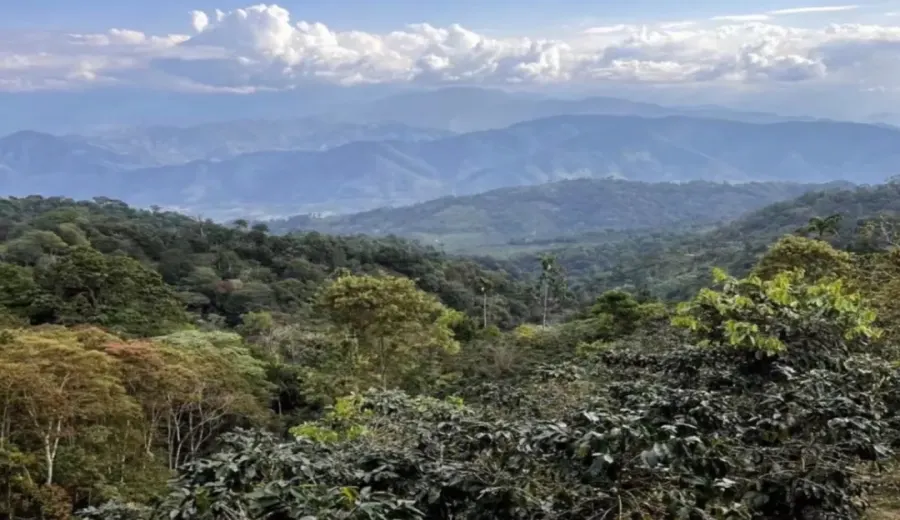
Introduction:After weathering the impact of the El Niño phenomenon, Peru’s coffee industry is steadily recovering. The latest data indicates that both coffee production and exports are expected to rise in the 2024/25 season, with output projected to climb to 4.22 million bags and exports to 4.07 million bags. This article delves into the reasons behind the production rebound, the distribution of major export markets, and how the progress of the Chancay Port project is influencing China–Peru coffee trade, helping readers grasp the latest developments and potential of Peruvian coffee.
A recent report published by the United States Department of Agriculture points out that Peru’s coffee industry has gradually shaken off the adverse effects brought by the previous El Niño events. Although the first quarter of the 2023/24 fiscal year faced multiple challenges such as rising temperatures, insufficient rainfall, and leaf rust, production conditions improved markedly in subsequent quarters. Annual output rebounded to 3.95 million bags, still achieving a 9% increase compared to the previous year.
Entering the 2024/25 season, the outlook is even more optimistic. According to the latest forecasts, total coffee production in Peru for this season is expected to reach 4.22 million bags(calculated at 60 kilograms per bag), marking a further 7% increase over the 2023/24 season. Meanwhile, exports are also projected to rise to 4.07 million bags, an increase of approximately 6%. One of the key drivers of this growth is the sustained high international coffee prices, which have encouraged many coffee farmers to invest more resources in cultivation and fertilizer management, thereby enhancing overall yield and quality.
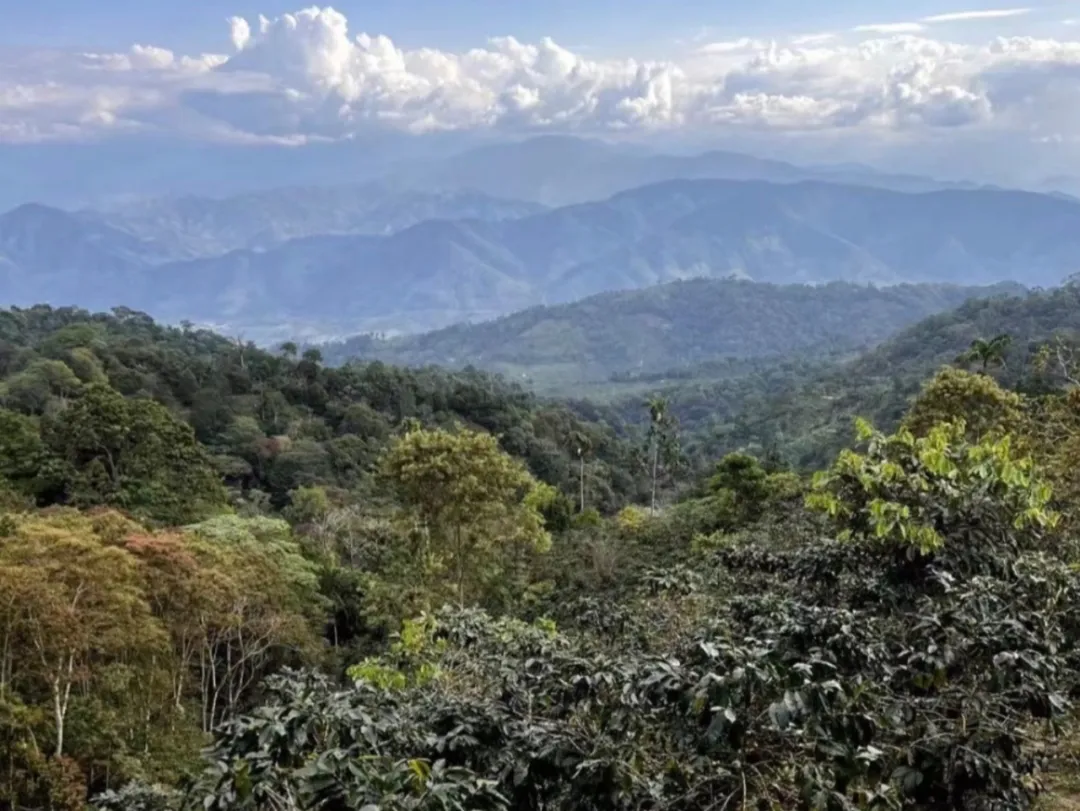
Currently, Peru’s total coffee-growing area remains relatively stable at around 335,000 hectares, nearly unchanged from last year. In terms of yield per unit area, it is expected to average 756 kilogramsper hectare, showing a slight upward trend. However, it should be noted that the leaf rust outbreak in 2013 continues to have long-term impacts on some coffee farms, and the coffee borer beetle infestation in 2020 means that about 40% of production still faces threats from pests and diseases. Continued plant quarantine measures and the promotion of improved tree varieties are required to address these issues.
On the export front, with production stabilizing and supported by international demand, coffee exports for the 2024/25 season are also expected to grow in tandem, with an estimated increase of about 6.4%, bringing the total to 4.07 million bags. Looking at the main export markets, the United States remains Peru’s largest buyer, accounting for as much as 28% of total exports. Germany and Belgium follow closely behind, with 18% and 9% respectively, reflecting the steady demand for Peruvian coffee in European markets.
It is worth noting that trade ties between Peru and China in the coffee sector are also gradually deepening. As early as 2019, Chinese companies invested US$1.3 billion to acquire a 60% stake in Terminales Portuarios Chancay S.A. (Chancay Port) in Peru, and planned to use the port to expand the scale of agricultural product exports to China—including coffee. However, as the project neared completion, it faced uncertainties due to the Peruvian government’s unilateral revocation of the exclusive operating rights of the Chinese enterprise.
Fortunately, the situation has recently taken a positive turn. On June 5, 2024, the President of Peru officially signed an amendment to the National Port System Law, explicitly granting the Peruvian National Port Authority the power to award exclusive operating rights to private enterprises. This means that Chinese companies may regain operational control of Chancay Port. This move will not only help strengthen bilateral trade relations between China and Peru, but is also seen as a crucial step in boosting local employment and advancing Peru’s role as a key port hub in South America.
According to statistics, bilateral goods trade between China and Peru reached US$376.9 billion in 2023, including a wide range of agricultural products such as fruits and coffee. With the continuous expansion of China’s coffee consumption market, Peruvian coffee is expected to further increase its exports to China through channels such as Chancay Port, bringing more business opportunities to local coffee farmers. Stable supply from the origin and a diversified presence in international markets will continue to influence the competitiveness and flavor profile of Peruvian coffee in the global market.
The above content is compiled by CoffeeHunters, a coffee news website.


