







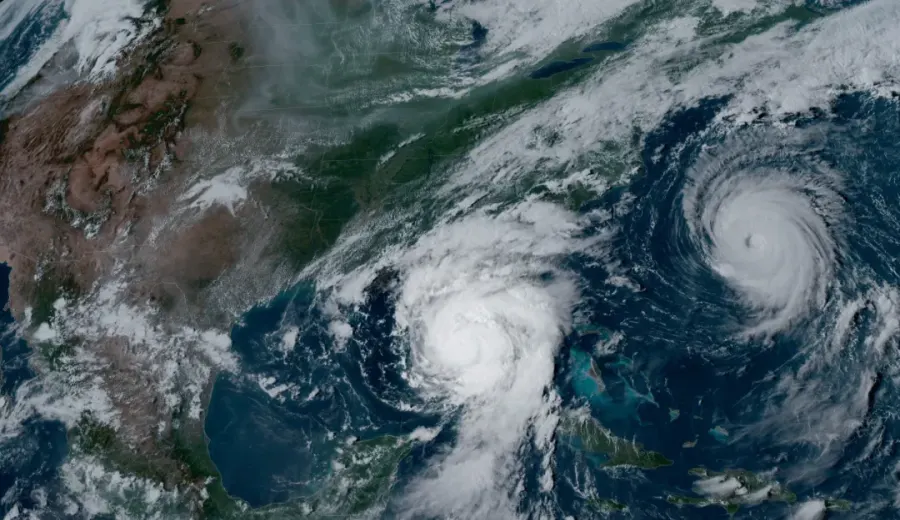
Introduction:The 2024 Atlantic hurricane season has been unusually active, with forecasts predicting storm numbers and intensity far exceeding yearly averages, posing serious challenges to major Central American coffee-growing regions. This article delves into the forecast data, affected areas, and potential chain reactions on coffee yields and export chains, helping coffee enthusiasts and industry professionals stay informed about regional developments and prepare in advance for market fluctuations.
According to the latest forecast from the U.S. National Oceanic and Atmospheric Administration (NOAA), the 2024 Atlantic hurricane season is shaping up to be an exceptionally active year, with storm activity potentially reaching three times the normal annual average, and a probability of above-normal levels at85%. The intensity and frequency of this hurricane season are mainly influenced by a combination of elevated sea surface temperatures, reduced wind shear, and the transition from El Niño to La Niña conditions.
The Atlantic hurricane season generally runs fromJune 1toNovember 30each year. Statistics from the past 30 years show that a typical hurricane season produces around14 named storms,7 hurricanes, and4 major hurricanes(Category 3 to 5). However, this year NOAA estimates the number of named storms could range between17 and 25, with8 to 13potentially developing into hurricanes, and4 to 7possibly reaching major hurricane strength, with wind speeds exceeding111 miles per hour(approximately 178 kilometers per hour).
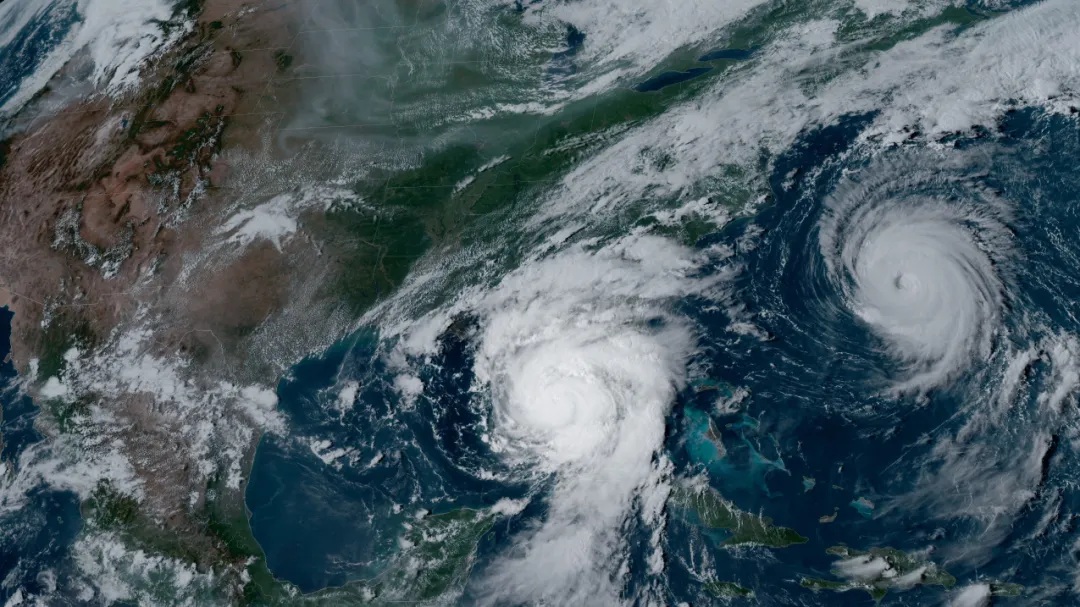
Such hurricane activity forecasts pose a clear threat to multiple coffee-producing regions along the Gulf of Mexico, the Caribbean Sea, and the Atlantic coast. Affected countries include Mexico, Cuba, Jamaica, Haiti, the Dominican Republic, Puerto Rico, as well as Central American nations further inland such as Honduras, Nicaragua, Guatemala, and Costa Rica. These regions are not only important coffee-growing areas but also key sources of specialty coffee beans globally.
It is particularly noteworthy that coffee-growing areas in Central America typically enter their flowering period betweenMay and June, while themain harvest season falls between October and January of the following year. If severe hurricanes strike during this period, they can not only directly destroy coffee cherries and plants, but strong winds and heavy rains can also disrupt flowering, pollination, and harvesting activities, thereby affecting the overall yield for that year.
Historical experience shows that similar situations have occurred before, notably in2020. That year, Central America was hit by two major hurricanes in succession, triggering widespread floods and landslides, severely damaging some coffee farms, leading to significant production declines in the region, and causing notable disruptions to the global supply chain.
In addition to the direct impact on yields, hurricanes can also severely disrupt coffee export processes. Most Central American coffee beans rely on maritime shipping for export. In the event of a major hurricane, port operations may come to a halt, leading to issues such as container backlogs and shipment delays, which not only affect delivery timelines but may also causea significant rise in transportation costs, further exacerbating price volatility in the international coffee bean market.
Faced with such challenges, coffee professionals and enthusiasts should continue to monitor weather forecasts and disaster alerts in major producing regions, especially real-time developments in Central America. As the frequency of extreme weather events increases, the supply stability of specialty coffee is facing unprecedented tests. It is recommended that procurement teams proactively assess risks and develop flexible contingency plans for potentially affected regions, in order to ensure supply chain resilience and consistent product quality.
The above content is compiled by CoffeeHunters, a coffee news website.


