







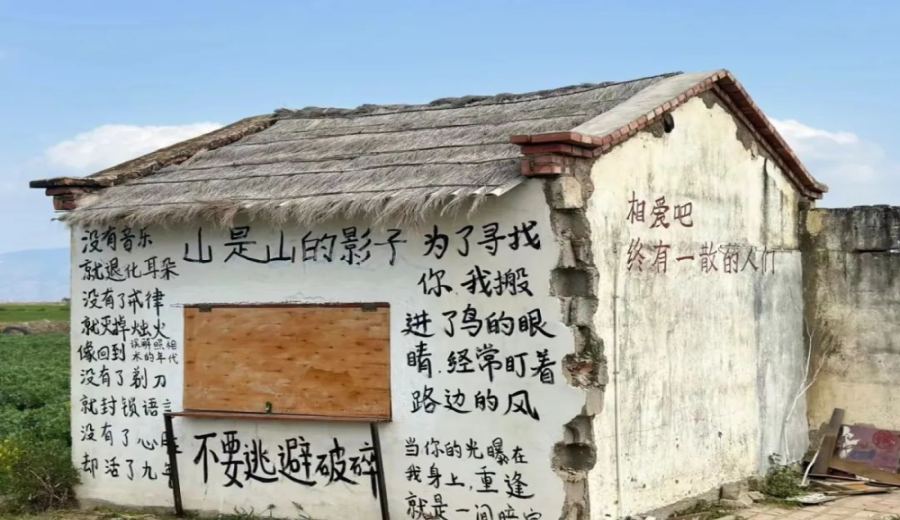
Introduction:Many tourists, lured by the artistic filter of coffee shops on social media platforms, make special trips to cafes by the rice fields in Dali, Yunnan — only to find a huge gap between reality and the photos. This article takes an in-depth look at the true face of these viral coffee shops, explores how seasons and weather affect photo aesthetics, and offers practical advice to help coffee enthusiasts do their homework before visiting, avoiding disappointment.
Artistic coffee shops on social media always seem enchanting, but in-person visits often reveal a stark contrast to their filtered appearances. Recently, a tourist who traveled specifically to Dali, Yunnan, visited a viral cafe located next to a rice field — only to be deeply disappointed upon arrival. The thatched roof paired with patchy white walls gave off an overall vibe that was even jokingly compared to a roadside outhouse, forming a sharp contrast with the artistic photos circulating online.
This cafe originally emphasized a pastoral setting, with lush green rice fields meant to be its biggest draw. However, when visitors actually arrived, the rice fields were in harvest season, presenting a withered yellow landscape — nothing like the vibrant greenery seen online. Coupled with uncontrollable factors like weather and season, the carefully composed “Instagram-worthy” shots instantly lost their charm.
Many netizens left comments after seeing real photos: “The house is shocking,” “It looks just like an old rural convenience store,” “The style is like a dilapidated old house about to collapse.” These comments reflect that when filters and reality don’t align, visitors’ expectations can shatter instantly.
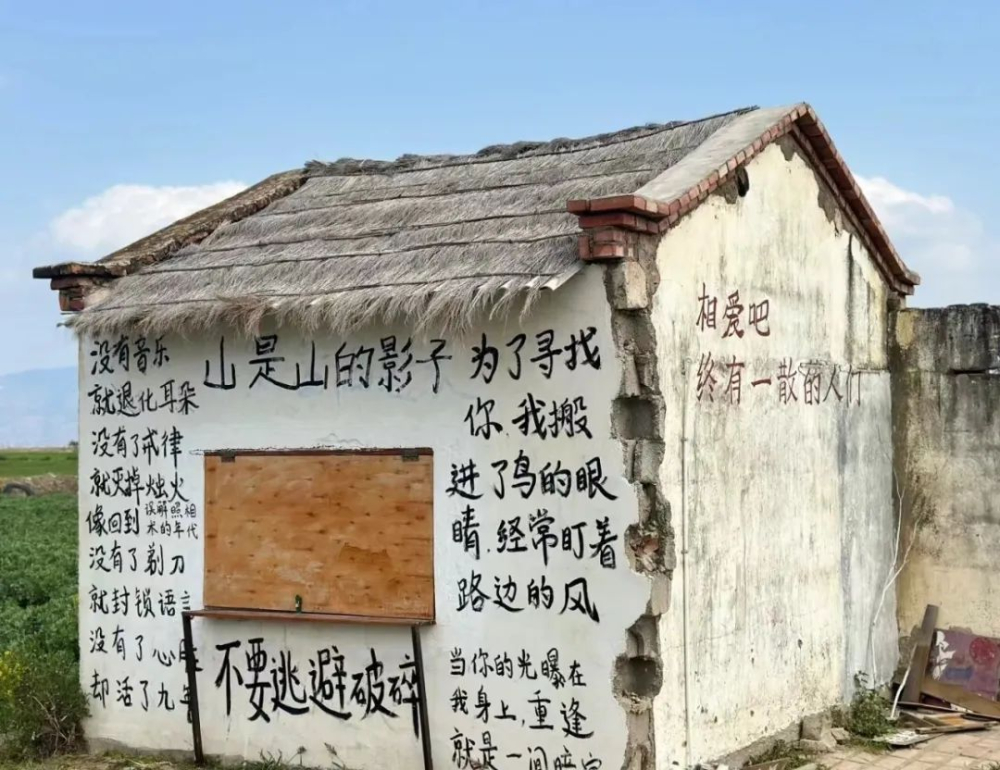
In fact, coffee shops that use natural scenery as their selling point are not uncommon online. To create an ideal pastoral atmosphere, operators often use carefully chosen camera angles, high-quality photography equipment, and post-editing techniques to present eye-catching images. Paired with attention-grabbing titles like “A Must-Visit in Life” or “A Breathtaking Check-in Spot,” they easily attract artistic-minded youths to make the trip.
However, the truth behind these photos is often that they require cloudless blue skies, freshly heading green rice fields, and the skill of professional photographers. Once any of these elements are missing, the real scene may quickly turn people away. For example, when rice fields enter harvest season, the once lush green turns into a barren yellow, and the overall image instantly loses its appeal.
For travelers planning to visit viral coffee shops for check-ins, it’s recommended to prepare the following in advance:First, check recent real photos, rather than relying solely on retouched images;Second, understand the local seasonal characteristics, and avoid visiting during crop harvest periods;Third, pay attention to the weather forecast, as rainy or cloudy days can significantly impact photo quality;Fourth, evaluate transportation convenience, as some remote locations may involve excessive time costs;Fifth, adjust your mindset, and accept that the real experience may differ from online images.
It’s worth noting that although these viral coffee shops may fall short of their filtered appearances, for travelers who have never experienced rural life, the simple pastoral scenery might actually bring a sense of novelty. The key is for visitors to maintain realistic expectations, rather than being entirely swayed by the stunning images on social media.
In summary, the real-life experience of viral coffee shops often differs significantly from their online images, especially for those that market natural scenery, which are more susceptible to seasonal and weather influences. It’s advised that coffee enthusiasts thoroughly verify details when planning their trips, and avoid deciding to visit based solely on retouched photos — ensuring the travel experience meets expectations and truly enjoys the fusion of coffee and pastoral beauty.
The above content is compiled by CoffeeHunters, a coffee news website.


