







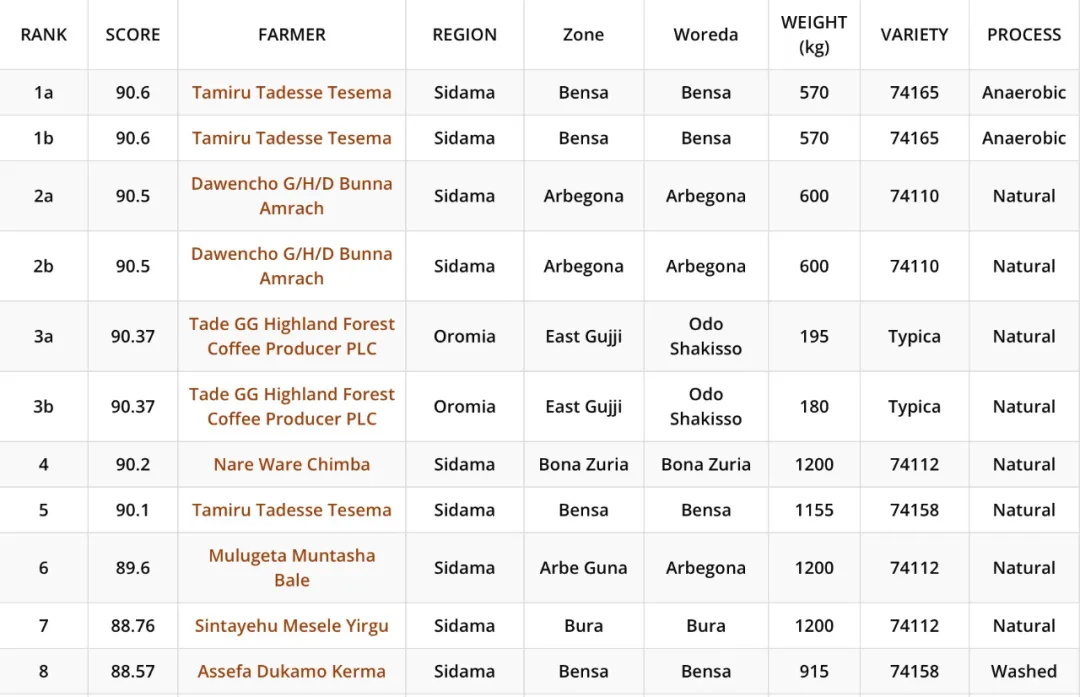
Introduction:Delving into the Alo village in Ethiopia’s Sidama region’s Bensa area, where high-altitude conditions nurture coffee with distinctive floral and fruity aromas. How did 2021 COE champion Tamiru Tadesse bring the potential of this land to the world? This article details the geographical conditions of Alo village, its processing methods, the natural sun-drying process of the 74158 variety, as well as its cupping performance and recommended pour over parameters, offering a comprehensive look at this highly acclaimed specialty coffee.
Ethiopia is hailed as the cradle of coffee, not only being a key origin of Arabica coffee globally but also a sacred place in the hearts of many coffee enthusiasts. Among its many renowned producing regions, Alo village in the Bensa area of Sidama has gained fame in recent years after winning the COE competition in 2021. With its captivating floral and fruity notes and delicate layered profiles, its coffee quickly captured the attention of the global specialty coffee market.
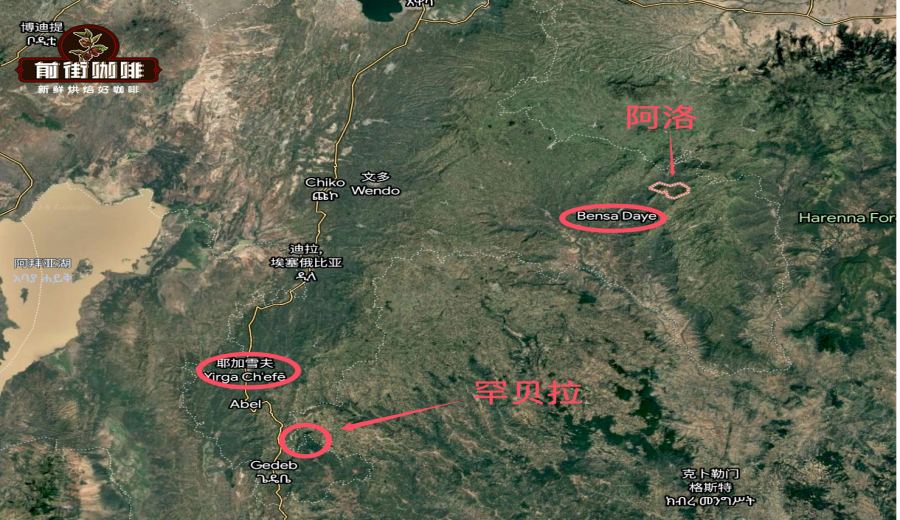
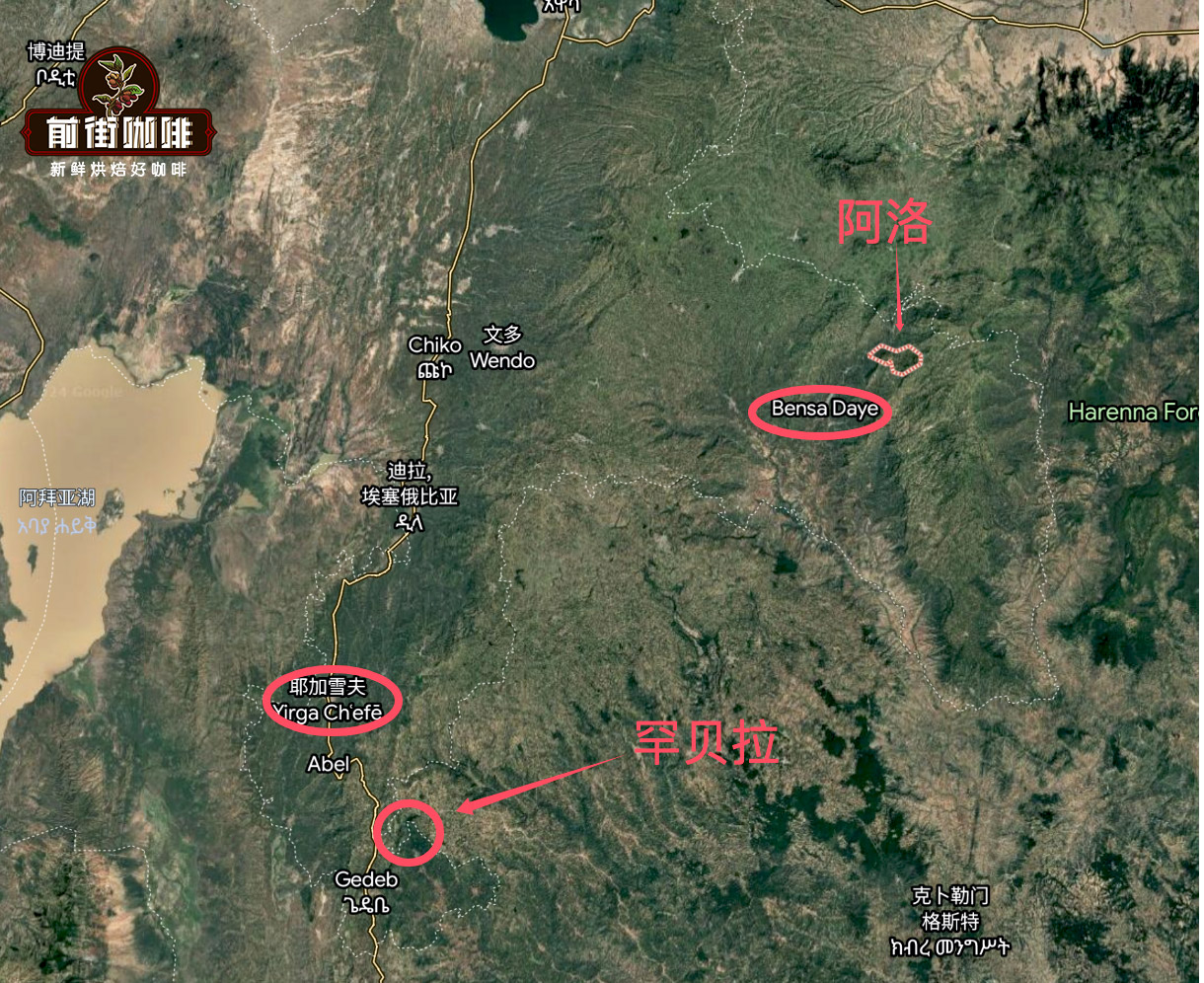
Alo village is located in Bensa town (Bensa Woreda) in the northeastern part of Sidama, and is one of the highest-altitude villages in the region,with an altitude of 2400 meters, making it part of a typical high-altitude coffee-growing zone. The high elevation not only slows down the ripening process of coffee cherries but also promotes the accumulation of flavor compounds, resulting in beans with greater density and complex aroma structures. Compared to other regions, this area experiences significant day-night temperature variations—with abundant sunlight during the day and cool nights—which helps coffee cherries ripen slowly, ultimately delivering richer aroma and acidity profiles.
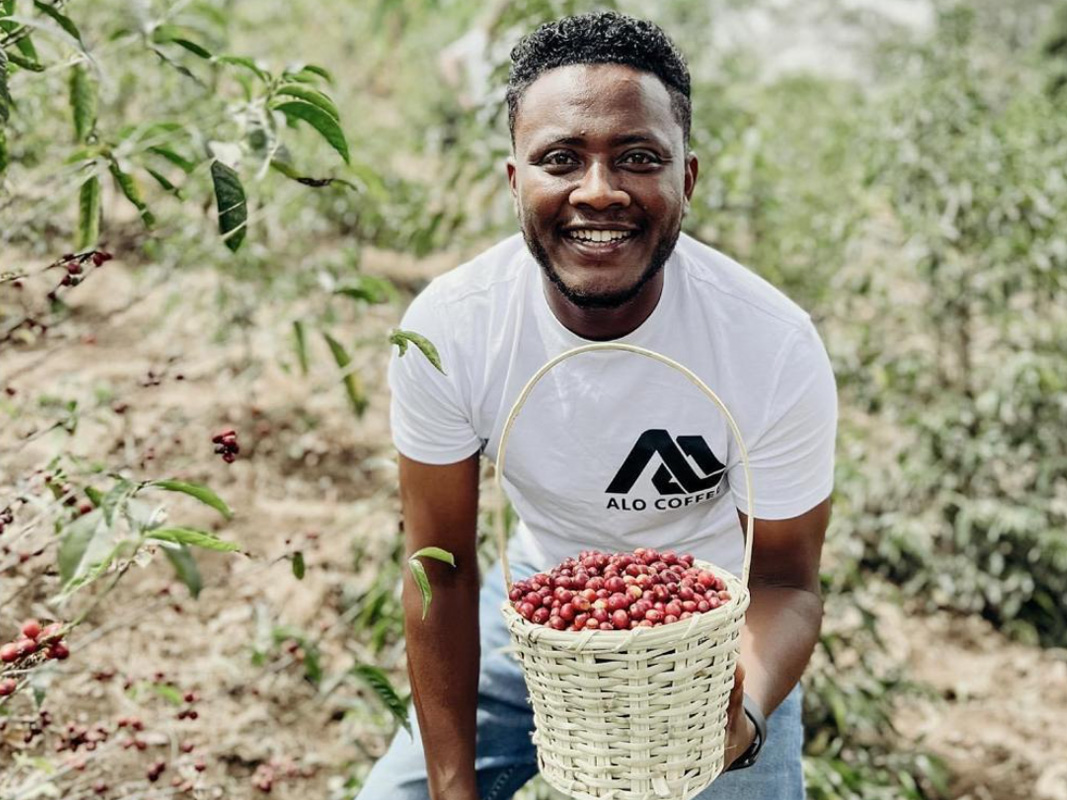
When discussing the rise of Alo village, one cannot overlook the local green bean trading company Alo Coffee and its founder Tamiru Tadesse. Originally from the Bensa area, he was an engineer who, seeing the potential of his hometown’s coffee, decisively entered the specialty coffee industry. In 2020, he founded Alo Coffee, dedicated to bringing high-quality coffee from the Bensa area to the international market. Not only does he hold Q-grader certification, but he has also personally built a complete supply chain from origin to processing—including establishing multiple processing stations and training local farmers—to ensure stable coffee quality and traceability.
Currently, Alo Coffee operates eight processing stations, including Main, Chilaka, Morke, Hatessa, Mewa, Hurro, Gute, and Chire Kalo.These facilities are all located near coffee farms to minimize the transportation time of fresh cherries and ensure freshness. Among them, the Hatessa processing station is the main site for processing the 74158 variety sun-dried beans introduced in this article. Located about 23 kilometers from Alo village, it is responsible for processing coffee cherries grown by surrounding smallholder farmers.
The coffee produced in Alo village and nearby villages such as Bombe, Murago, and Bashiro Gute mostly consists of varieties from the 74 series cultivated by JARC (Jimma Agricultural Research Center), among whichthe 74158 is the most common.The sample introduced here is the 74158 variety from the Hatessa processing station, processed using the traditional natural (sun-dried) method, showcasing rich tropical fruit and floral flavor notes.
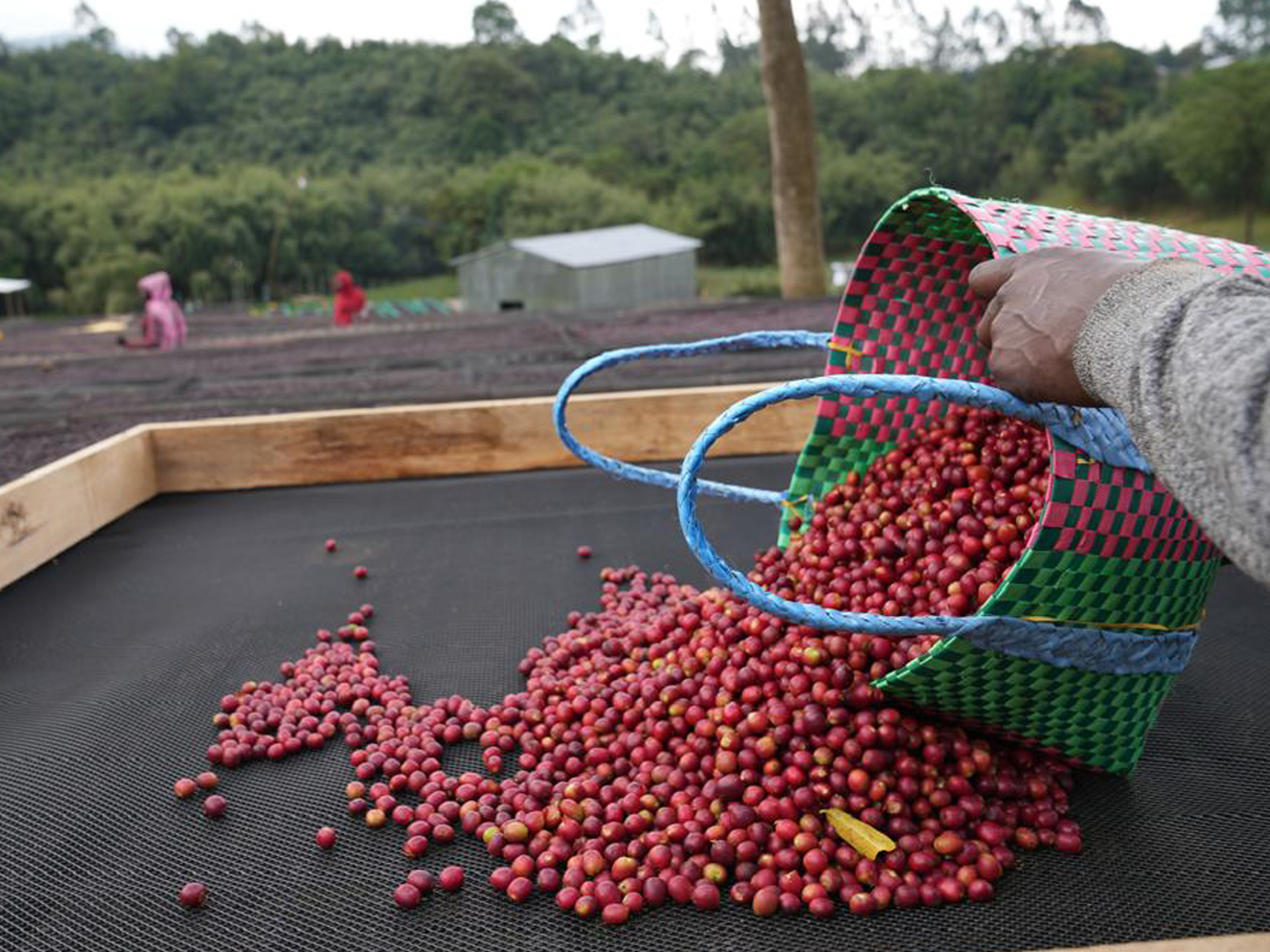
In the natural sun-drying process, farmers first carefully select fully ripe coffee cherries. After initial sorting to remove unripe or overripe fruits, they ensure that the cherries entering the drying stage have consistent ripeness and appearance. Next, these cherries are evenly spread on raised drying beds,with the thickness controlled at an extremely thin levelto facilitate ventilation and moisture evaporation. The first three days are the critical period of processing, requiring frequent turning of the cherries to prevent mold and uneven fermentation, which could affect the final flavor. The entire sun-drying process usually lasts 14 to 18 days until the moisture content reaches the ideal standard, after which packaging and storage follow.
Cupping this Alo village 74158 natural bean, the first impression is a sweet floral and fruity aroma, with particularly notable notes ofmagnolia, pineapple, yellow peach, and small Taiwanese mango,accompanied by gentle fermentation scents that are pleasant. Upon tasting, the tropical fruit acidity and sweetness come through immediately, especially the interplay of ripe pineapple, passionfruit, and perfumed lemon flavors, along with a subtle black tea-like body in the finish. The overall flavor profile is layered and has a long-lasting aftertaste. As the temperature drops, flavors of stone fruits such as yellow peach and dried apricot gradually emerge, with bright and varied acidity, presenting a very balanced and distinctive cup.
Flavor profile: magnolia, passionfruit, pineapple, mango, fermented notes
For this light-roasted, brightly flavored natural bean, the following pour over parameters are recommended to fully highlight its floral and fruity acidity characteristics:
Brewing recommendation (suitable for V60 dripper)
- Water temperature: 92-93°C
- Grind size: fine sugar-like (approximately 78% passing through a #20 sieve)
- Coffee dose: 15 grams
- Coffee-to-water ratio: 1:15 to 1:16 (adjustable based on preference for strength)
- Brewing method: three-pour technique
Steps for the three-pour technique:
- First, pour approximately double the dose of hot water (around 30 grams) and let it bloom for 30 seconds to allow the coffee grounds to fully expand.
- Then, pour with a slow stream in small circles from the center outward until the total weight reaches 125 grams, then pause to allow the bed to drain.
- Finally, continue pouring in circles until the total weight reaches 225 grams, with a total brew time of about 2 minutes to complete the pour over.
Through precise temperature control and appropriate grind size, the delicate floral and fruity characteristics of this high-altitude natural bean from Alo village can be more fully expressed, offering you a layered and surprising coffee experience.
The above content is compiled by CoffeeHunters, a coffee news website.


