







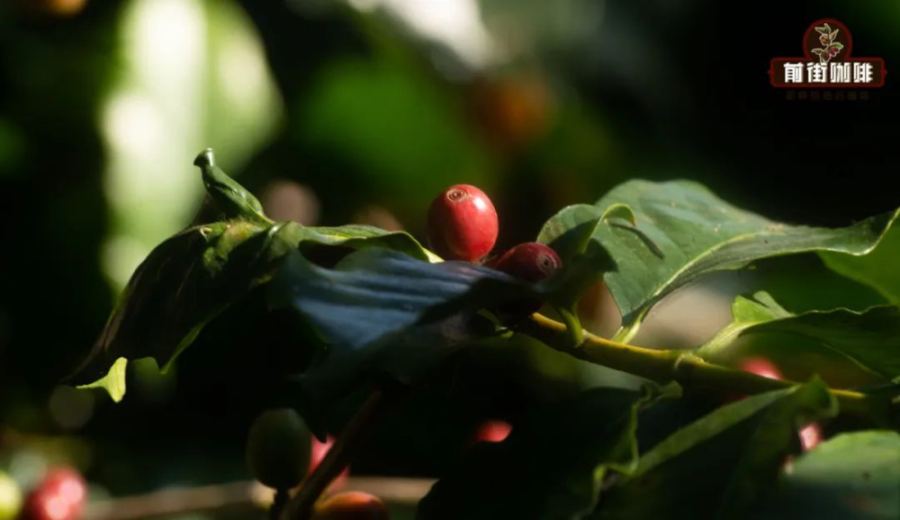
Introduction:Did you know that coffee beans are actually the seeds of the coffee fruit? This article delves into the seven-layer structure of the coffee cherry, from the outer skin to the silver skin, and how each layer influences subsequent processing and flavor. We also break down the key components of green coffee beans, including moisture, lipids, chlorogenic acid, and caffeine, while comparing the differences between Arabica and Robusta — helping you better understand the science behind your cup of coffee.
From tree to cup, coffee undergoes a complex transformation. A single coffee fruit, from the outside in, consists of seven main parts: the outer skin, pulp, mucilage, parchment, silver skin, bean (what we call the coffee bean), and the center cut. Each structural layer plays a different role in the processing process and flavor formation.
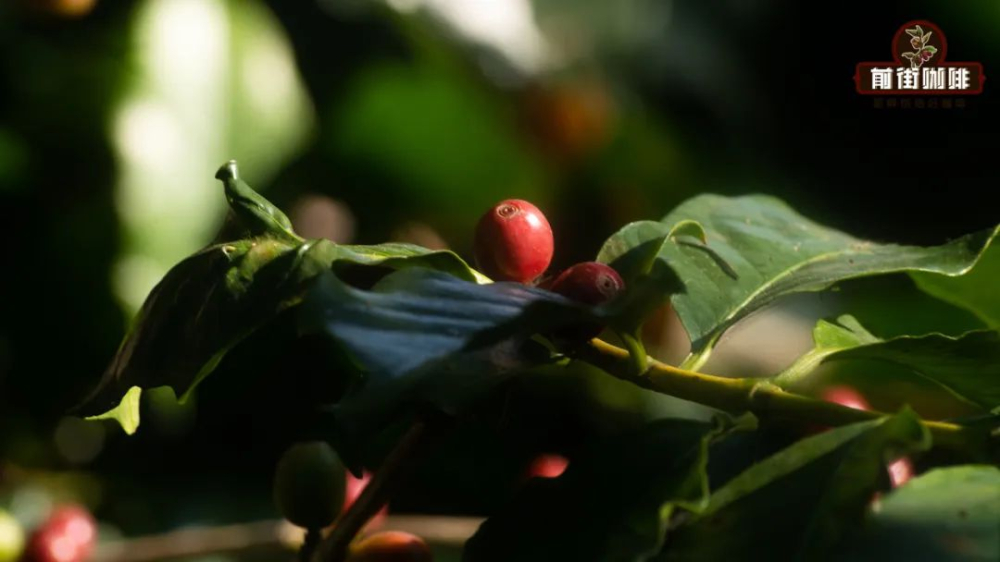
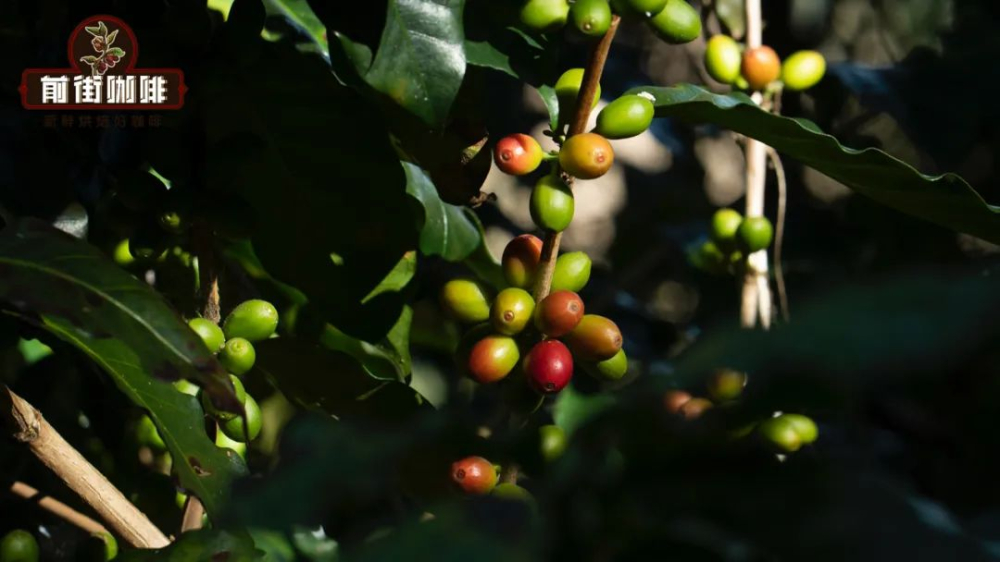
First is the outer skin, commonly referred to as the coffee fruit's peel. It is composed of one to two layers of cells, featuring a cuticle and stomata similar to plant epidermis. Unripe coffee cherries appear green because the chloroplasts in the skin cells are still undergoing photosynthesis. As they ripen, the chloroplasts convert into chromoplasts, and the skin gradually turns from green to red, with deeper colors indicating greater ripeness.
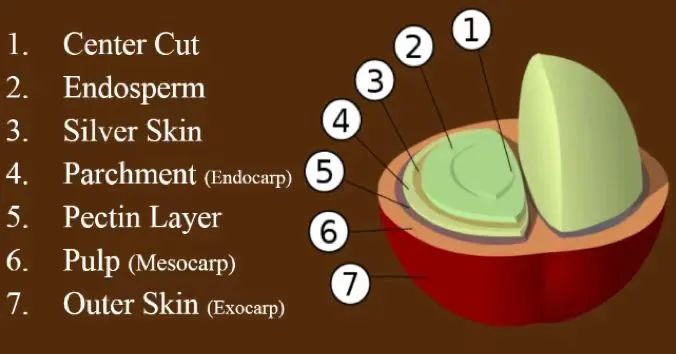
Beneath the outer skin lies the pulp layer. Though relatively thin, the pulp is rich in sugars and organic acids — which is why some people experience a noticeable sweetness when chewing coffee cherries directly. However, due to the very thin nature of the pulp layer, many first-timers often end up biting into the inner coffee bean instead.
After removing the skin and pulp, you’ll find a transparent and sticky substance: the mucilage layer. This mucilage is high in sugar, not easily soluble in water, has a smooth texture, and is prone to oxidation. Interestingly, in honey processing, the more mucilage that is retained, the richer the subsequent fermentation process, and the more pronounced the resulting sweetness and fermentation aromas in the coffee. The mucilage layer turns from transparent to pale yellow within minutes of removal, so special care is needed during processing.
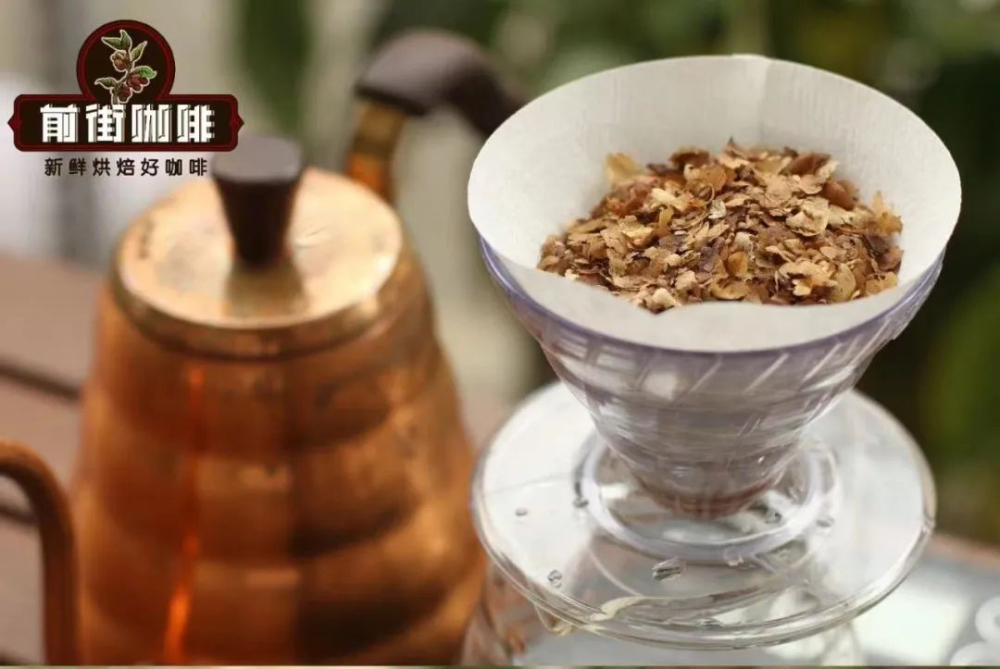
Going further inward is the parchment layer, which wraps around the coffee bean. It is a protective membrane made up of thin-walled cells. Between the parchment and the coffee bean, there is an extremely thin silver skin — a cell membrane as delicate as a cicada’s wing. This silver skin usually sheds during roasting or processing and is also one of the visual features distinguishing washed from natural (sun-dried) processing methods.
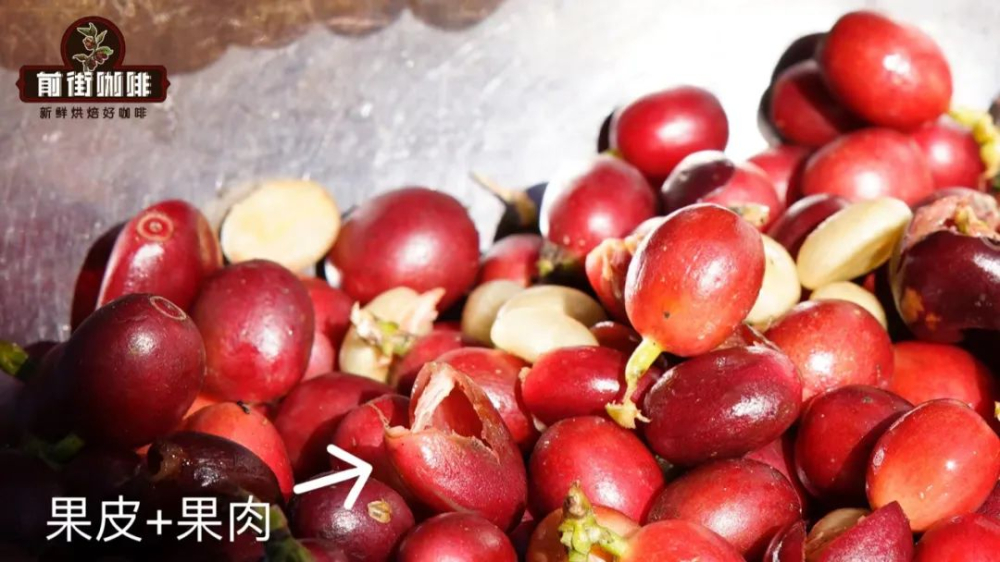
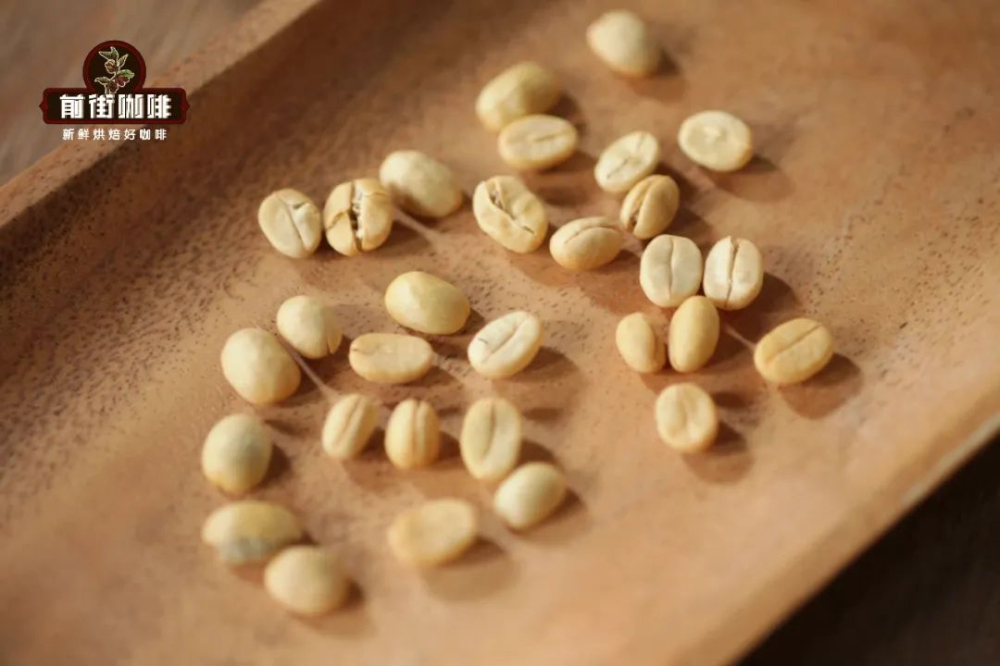
The coffee bean, what we commonly refer to as the coffee seed, typically contains two beans per coffee cherry, with their flat sides pressed together. However, if development is incomplete, only one oval-shaped bean may be produced. Such beans are commonly called “peaberry” or “caracol,” while the normal flat ones are referred to as “flat beans” or “regular beans.”
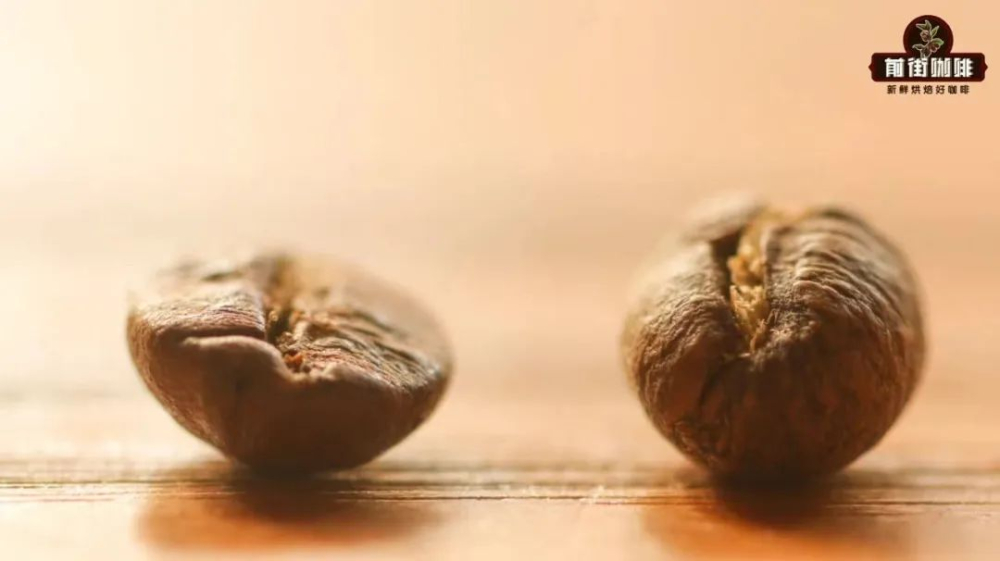
The crack in the middle of the coffee bean is where the embryo is located — the starting point for the future development of a new plant’s leaves and stem.
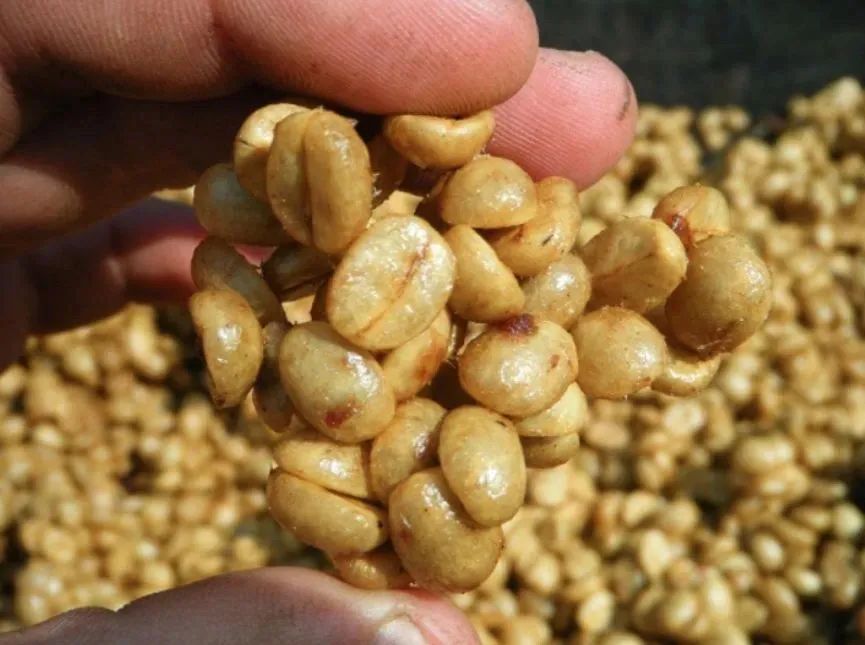
When processing coffee cherries, the first step is to remove all non-bean parts, leaving only the green coffee bean. So, what are the internal components of the green bean?
Moisture is one of the important components of green beans, typically controlled between 10% to 13% after processing. This moisture will evaporate over time during storage or turn into steam and dissipate during roasting, without directly affecting the final flavor.
The most abundant component in coffee beans is polysaccharides, accounting for about 35% to 45%, mainly consisting of substances such as cellulose. They are insoluble in water, flavorless, and make up the majority of coffee grounds — the solid residue you filter out after brewing.
Lipids play a crucial role in influencing coffee’s mouthfeel and aroma, especially in the formation of crema in espresso. Lipids include components such as linoleic acid and palmitic acid. Arabica beans generally have a higher lipid content than Robusta, which is why Arabica often exhibits a richer aromatic profile. The higher the lipid content, the better the coffee’s smoothness and aroma tend to be.
Proteins make up about 12% and, while not directly impacting flavor, help stabilize foam structure during milk frothing.
Sucrose and oligosaccharides are key to coffee’s sweetness and overall flavor balance. The natural sugars in coffee beans decompose and recombine during roasting, generating various flavor compounds. Generally, Arabica contains 6% to 9% sucrose, while Robusta only has 3% to 5% — one reason Arabica is often considered sweeter and smoother. However, sugar content also changes with roast time and temperature, ultimately affecting overall performance.
Chlorogenic acid is the main component responsible for astringency and some bitterness in coffee. It is not a desirable “positive” acidity, but rather transforms significantly into quinic acid during dark roasting, further intensifying the perception of bitterness. Arabica has a chlorogenic acid content of 5% to 8%, while Robusta has even higher levels, ranging from 7% to 11%.
In addition, coffee beans contain small amounts of other organic acids (such as citric acid, malic acid, acetic acid, etc.) and inorganic acids like phosphoric acid. These acids typically account for no more than 2% of the total, but still have a certain impact on overall acidity balance.
Amino acids, including aspartic acid and others, make up a very small proportion and have limited impact on flavor.
Finally, let’s look at caffeine. This is the stimulant many people rely on daily and also a natural insect repellent. Caffeine content varies depending on variety and growing altitude:Arabica varieties contain about 0.9% to 1.4% caffeine, while Robusta varieties can reach 2% to 4%.Generally, the higher the altitude at which coffee is grown, the lower the caffeine content, as fewer pests are present in high-altitude environments, reducing the need for the coffee plant to produce as much caffeine for defense.
In summary, understanding the internal structure and composition of the coffee cherry and coffee bean allows you to better grasp the origins of each cup’s flavor. When selecting coffee beans, you can consider factors such as variety, processing method, and growing altitude. Whether you prefer the bright fruity acidity of washed Arabica or the rich, sweet profile of honey-processed batches, you can make a more informed choice.
The above content is compiled by CoffeeHunters, a coffee news website.


