







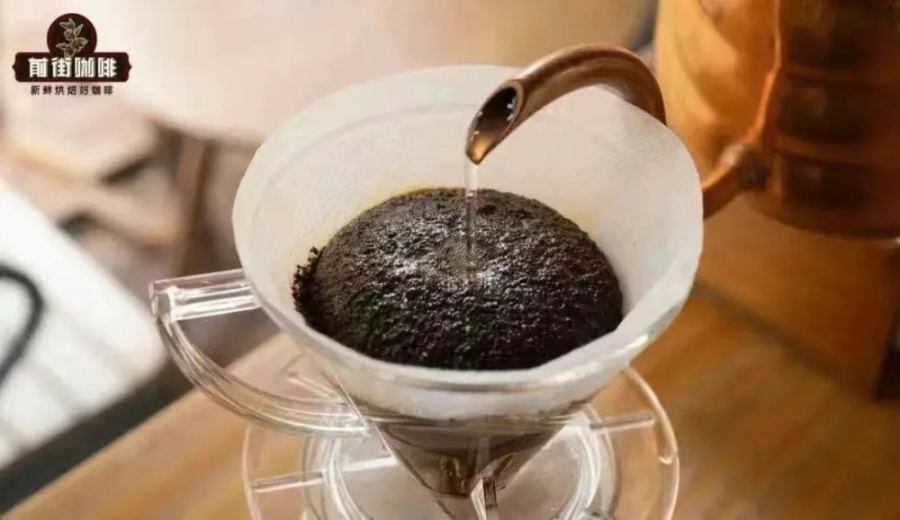
Introduction:Do you know why many Japanese pour over coffees prefer to use 20 grams or even more of coffee grounds? This brewing method is not just about pursuing a rich flavor—it achieves what is known as a "high concentration, low extraction" style through specific brew ratios and grind settings. This article delves into the scientific principles behind it, including the characteristics of dark roasted beans, the advantages of coarse grinding, the impact of bed depth on water flow, and how extended extraction time brings out caramel aromas and sweet aftertastes. It’s essential reading for pour over enthusiasts who love to explore the finer details of extraction.
Japanese pour over often employs a large coffee dose of 20 grams or more, and this practice is rooted in a unique extraction logic. Compared to the common brew ratios used in standard pour over, the Japanese approach tends to use less brewed liquid paired with a higher amount of coffee grounds, creating a rich yet non-bitter cup. This is what has come to be discussed in recent years among coffee lovers as the "high concentration, low extraction" concept.
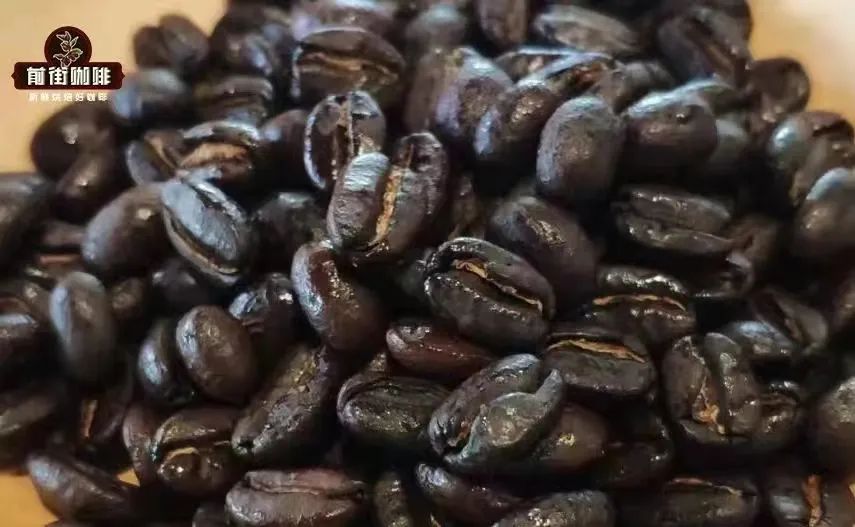
So, why do Japanese pour over methods favor larger coffee doses? One key reason is directly related to their preference for dark roasted coffee beans. In Japanese coffee culture, dark roasts are not only mainstream but also represent a certain taste philosophy—they don’t aim for intense bitterness, but rather for the caramel sweetness, full body, and the natural sweetness that lingers in the throat after drinking. These subtle flavors are the true charm of dark roasted coffee.
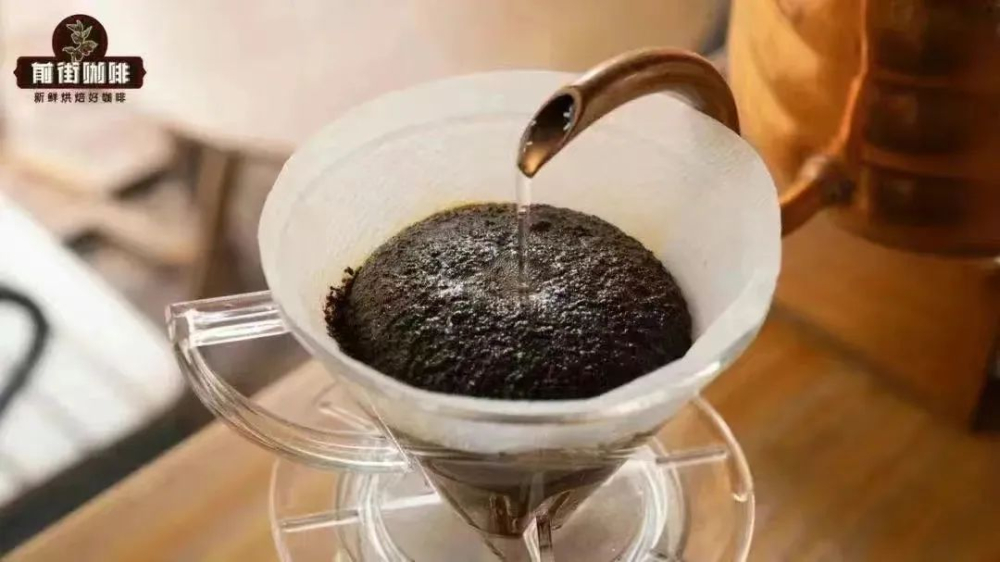
However, dark roasted beans also present challenges during extraction. Due to the deep level of roasting, the bean structure is often more porous or even quite fragile, which leads to the production of a lot of fine particles during grinding, while also significantly increasing extraction efficiency. Using a commonly seen medium-fine grind can easily lead to over-extraction, resulting in pronounced burnt bitterness and unpleasant flavors.
Therefore, Japanese pour over typically opts for a coarser grind size. The benefit of a coarse grind is that it reduces the generation of fine particles, lowers the risk of over-extraction, and helps control overall extraction yield. However, a coarse grind also means that the gaps between coffee particles become larger, which can cause water to pass through too quickly—especially without special filter designs to slow it down—meaning the essence within the dark roast beans isn’t fully extracted.
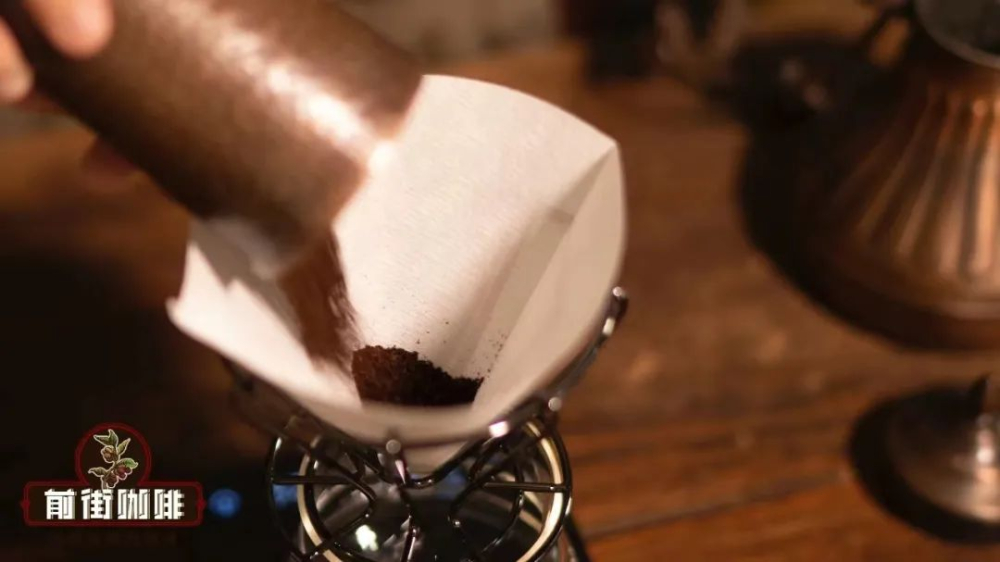
To address this issue, Japanese baristas have found a clever solution: increasing the coffee dose, a strategy known as “powder stacking.” By using more coffee grounds, the overall bed depth increases, and water takes more time to penetrate this thick layer of coffee, thereby slowing down the filtration speed. This allows for more contact time between water and coffee, effectively extracting flavor compounds, especially the caramel and sweet elements from dark roasted beans.
It’s worth noting that although the coffee dose is increased, the total water volume is not raised accordingly. This results in a final brew that is relatively more concentrated, forming a unique balance of “high concentration but low extraction rate”—the very core principle of “high concentration, low extraction.”
Generally speaking, common pour over brew ratios range from 1:15 to 1:16, which balances flavor clarity and overall mouthfeel. However, Japanese pour over often uses brew ratios as low as 1:10, and in some extreme cases such as the Matsuya-style extraction, the ratio can go as low as 1:5, followed by dilution with hot water before drinking. This extremely low brew ratio is designed to avoid the release of off-flavors in the tail end and the bitterness from over-extraction, while showcasing the coffee’s inherent sweetness and aromatic layers through a high-concentration base.
Aside from the large coffee dose and low brew ratio, another important feature of Japanese pour over is the relatively long extraction time. To ensure that the limited amount of water can fully extract the desirable compounds from the coffee, brewers usually slow down the pouring speed and extend the overall brewing duration, allowing each drop of water to work to its fullest. This approach not only maintains a high concentration in the coffee but also delivers a fuller body and a longer-lasting sweet aftertaste.
The final cup may not be large in volume, but with each sip, one can often taste the rich caramel aroma characteristic of dark roasted beans, a silky-smooth mouthfeel like satin, and a distinct, pleasant sweet finish. This flavor profile is also one of the reasons why Japanese pour over is beloved by coffee enthusiasts around the world.
The above content is compiled by CoffeeHunters, a coffee news website.


