








Introduction:Although Puerto Rico is a U.S. territory, it boasts a unique coffee-growing tradition. From its introduction during the Spanish colonial period in the 18th century, to becoming the world’s seventh-largest coffee producer by the end of the 19th century, and then its recovery following the devastation of recent hurricanes, the coffee story of this Caribbean island is full of ups and downs. This article delves into the historical background, major varieties, regional characteristics, and the evolution of processing techniques of Puerto Rican coffee, offering you an insight into the flavor potential of this Caribbean gem.
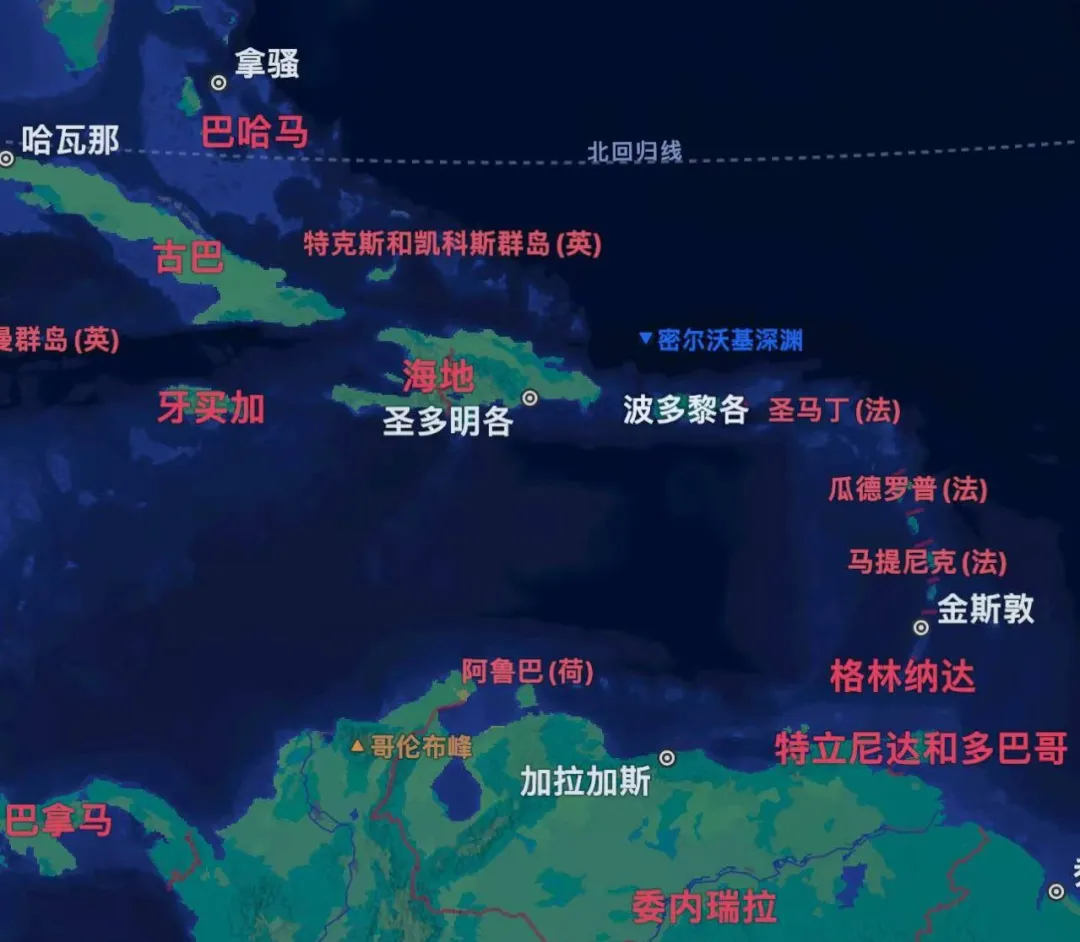
Among the many Caribbean islands suitable for coffee cultivation, Puerto Rico stands out due to its unique political status and geographical environment. As a U.S. territory located in the eastern part of the Greater Antilles, it is home to a central mountain range that runs across the island, with volcanic soil and a tropical rainforest climate providing ideal growing conditions for coffee trees.
The history of coffee cultivation in Puerto Rico dates back to the 18th century, when Spanish colonists introduced coffee seeds to this tropical island. By the end of the 19th century, the local coffee industry entered a golden age, with annual production reaching up to 30 million pounds, briefly ranking as the world’s seventh-largest coffee-producing country — a testament to the scale and quality of cultivation that had gained international recognition at the time.
However, a turning point in history came with the U.S. takeover. After the handover, production costs rose significantly, and over 10,000 farmers shifted to more “economically viable” crops such as sugarcane and pineapples, leading to a continuous decline in coffee output. Between 1926 and 1928, a series of major hurricanes dealt a devastating blow to coffee plantations, bankrupting many farmers. Low-cost coffee from countries like Brazil also gradually replaced Puerto Rican coffee in the U.S. market.
Entering the 21st century, the Puerto Rican coffee industry has yet to fully recover. In 2017, two major hurricanes battered the entire island, destroying approximately 90% of coffee plants. Hurricane Isabel struck again in 2020, further hindering the nascent recovery. Currently, there are about 4,000 coffee farmers on the island, producing roughly 3 million pounds (approximately 1.4 million kilograms) of green coffee beans annually, of which only 8% to 10% are exported, with the vast majority supplied to the local market.
Despite numerous challenges, the Puerto Rican coffee industry is gradually recovering, with the Yauco region in the southwestern mountains being the most renowned. The altitude, soil, and microclimate conditions here produce some of the highest-quality coffee beans in Puerto Rico. The main varieties grown locally include Arabica, Robusta, and Liberica, with Arabica being the most prevalent and the most popular variety in the international market.
In terms of coffee processing techniques, Puerto Rico traditionally relied mainly on washed and natural (sun-dried) methods. However, influenced by global specialty coffee trends, farmers and processing facilities on the island have in recent years begun experimenting with innovative processing methods such as honey process and anaerobic fermentation, aiming to enhance the complexity and layering of coffee flavors. These creative techniques not only preserve the unique terroir characteristics of Puerto Rican coffee but also help it gradually gain recognition in the international market.
Though the road to revival is long, with financial support from the U.S. government and the perseverance of local farmers and industry players, the coffee industry of this Caribbean island is steadily moving forward. In the future, we can look forward to tasting the unique flavors of Puerto Rican coffee in more international coffee competitions and specialty coffee shops.
The above content is compiled by CoffeeHunters, a coffee news website.


