








Introduction:Although East Timor is a small country, it boasts a unique coffee-growing environment and a long history of coffee variety cultivation. This article will delve into the geographical features and growing conditions of East Timor’s major coffee regions such as Ermera and Manufahi, uncover the origins of the Timor Hybrid (Hibrido de Timor) coffee variety, and explore how it influenced the development of subsequent varieties like Catimor. Readers will gain an understanding of how these factors shape the distinctive flavors of East Timor coffee, along with practical knowledge for selecting and tasting it.
East Timor, a country located at the eastern end of the Nusa Tenggara archipelago, may be small in size but holds a notable place in Asia’s specialty coffee scene. Its favorable geography—including high-altitude mountainous regions, fertile volcanic soils, and abundant rainfall—provides ideal natural conditions for coffee cultivation. The coffee here is mostly grown organically, with little to no use of chemical agents, showcasing a pure and natural flavor profile while reflecting the local farmers’ commitment to sustainable agriculture.
The Democratic Republic of Timor-Leste primarily consists of the eastern part of Timor Island and nearby smaller islands, covering a land area of approximately 15,007 square kilometers. The country borders Indonesia’s West Timor to the west and faces Australia across the Timor Sea to the south. The terrain is predominantly mountainous, with over three-quarters of the territory situated at elevations exceeding 1,000 meters. Coffee is mainly cultivated in these highlands, contributing to the complexity and layered flavors of its brews.
The local climate is mostly tropical rainforest, with some lowland and valley areas exhibiting a tropical savanna climate. The average annual temperature is around 26°C, and annual rainfall ranges between 1,200 and 1,500 millimeters. This climate, combined with the cool temperatures of high-altitude mountainous regions and mineral-rich volcanic soils, creates an optimal environment for coffee trees and gives East Timor coffee its unique regional flavor characteristics.
East Timor’s coffee-producing regions are primarily distributed across areas such as Ermera, Manufahi, Ainaro, Liquica, Aileu, and Bobonaro. Among them, Ermera is the most renowned coffee-producing region in the country, accounting for more than half of the national coffee output. Located in the western part of East Timor, Ermera is an inland mountainous area where coffee trees are mainly planted at an average elevation of about 1,250 meters. With an average annual temperature of around 21°C and annual rainfall reaching 2,500 to 3,000 millimeters, this environment is exceptionally well-suited for the growth of specialty coffee.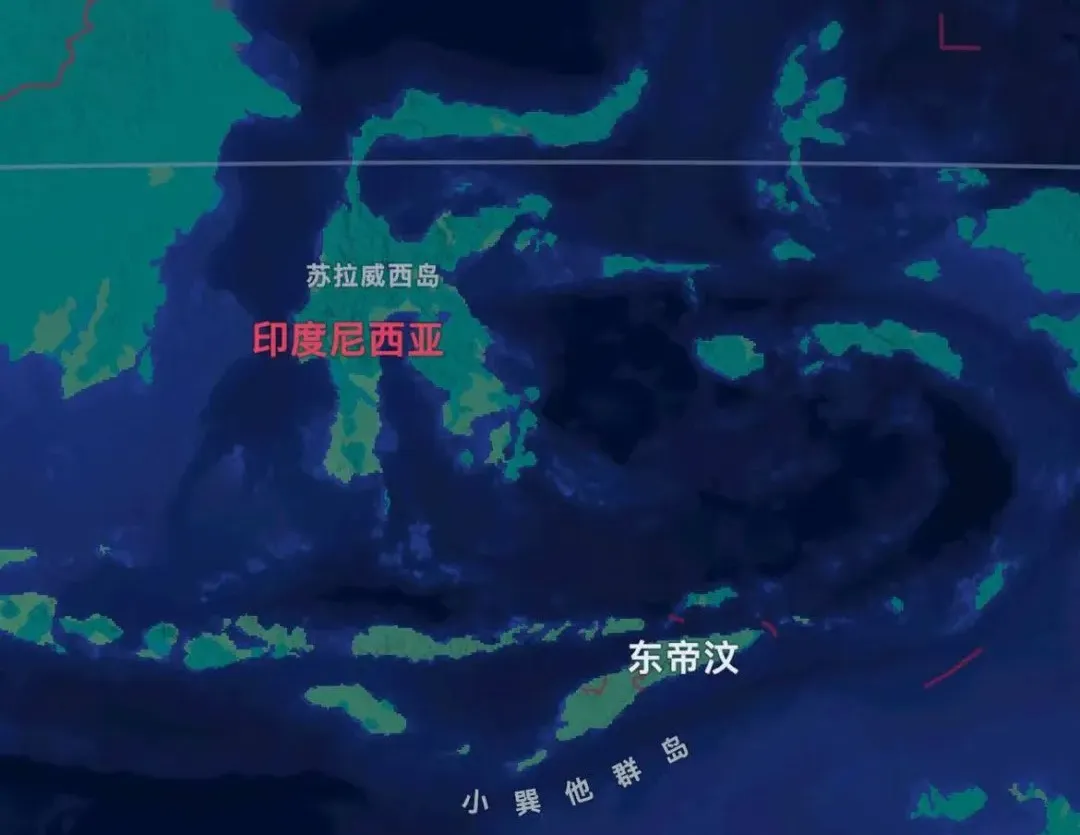
When discussing East Timor coffee, one cannot overlook its most representative coffee variety—the Timor Hybrid (Hibrido de Timor). This is a naturally occurring hybrid of Arabica and Robusta, first discovered in the region in the early 20th century. The Timor Hybrid combines the elegant flavors and aromas of Arabica varieties with the strong disease resistance of Robusta, particularly against leaf rust, making it the breeding foundation for many subsequent disease-resistant varieties.
Due to its unique genetic makeup, although classified within the Arabica family, the Timor Hybrid carries disease-resistant genes from Robusta. This characteristic enables it to perform exceptionally well in regions plagued by coffee leaf rust, making it a vital choice for many coffee farmers. More importantly, the Timor Hybrid was later artificially crossbred with traditional Arabica varieties such as Caturra, further giving rise to widely cultivated F1 hybrid varieties like Catimor.
In 1961, the Colombian Coffee Research Center began in-depth research on leaf rust-resistant varieties, conducting multiple breeding trials by crossing Caturra with the Timor Hybrid. After 23 years of breeding efforts, they successfully developed several disease-resistant varieties, including Castillo, which have been promoted for cultivation in various coffee-growing regions across Latin America since 2005, significantly enhancing global coffee farmers’ ability to combat diseases.
For coffee enthusiasts, understanding the regional and varietal background of East Timor coffee not only allows for a deeper appreciation of its unique flavors but also aids in making more informed choices when selecting beans. East Timor coffee is commonly found in the specialty coffee market, often characterized by moderate acidity, rich nutty and spicy notes, and distinctive terroir and high-altitude flavor profiles. If you wish to further explore the coffee charm of this island nation, consider starting with medium or dark roast specialty beans from the Ermera region to experience their deep and layered flavor profiles.
The above content is compiled by CoffeeHunters, a coffee news website.


