








Introduction:The detailing needle is an indispensable tool in latte art, especially skilled at handling fine lines and localized embellishments. However, many baristas often encounter issues such as overly thick lines, blurred patterns, or failure to color when first learning. This article will delve into the types, usage methods, and practical techniques of detailing needles—including how to correctly pick up color, control line thickness, and improve drawing efficiency—to help you master this key skill that elevates your latte art.
Although a latte pitcher can complete most patterns, it often falls short when dealing with delicate lines and localized touches. In these cases, the detailing needle becomes an essential and powerful assistant. This small tool, hailed by many coffee enthusiasts as a "cheat code" for latte art, is highly functional but not as simple to use as it may seem. Common problems include lines that are too thick or too thin, patterns that easily blur, or even failure to draw at all. Based on practical experience, this article will detail the types, structures, operation methods, and usage tips of detailing needles—including how to prepare extra "paint," master dipping techniques, control line thickness, and increase drawing speed—to help you skillfully use this tool and make your coffee art more refined.
However, not all fine details can be accomplished with a latte pitcher. This is where the detailing needle comes into play. Due to its high practicality, it is often referred to as the "secret weapon" of latte art. But this seemingly simple tool presents plenty of challenges in actual use—such as being unable to draw lines, lines that are too thick or too thin, or easy blurring—all common issues. Next, we’ll take an in-depth look at the correct way to use this essential latte art tool.

There are many types of detailing needles, and different models vary in price and functionality. Detailing needles on the market range in price from a few yuan to over a hundred yuan, most of which fall within an acceptable range. The differences mainly lie in design and material. One widely used model is a traditional-style design that is quite common on the market.
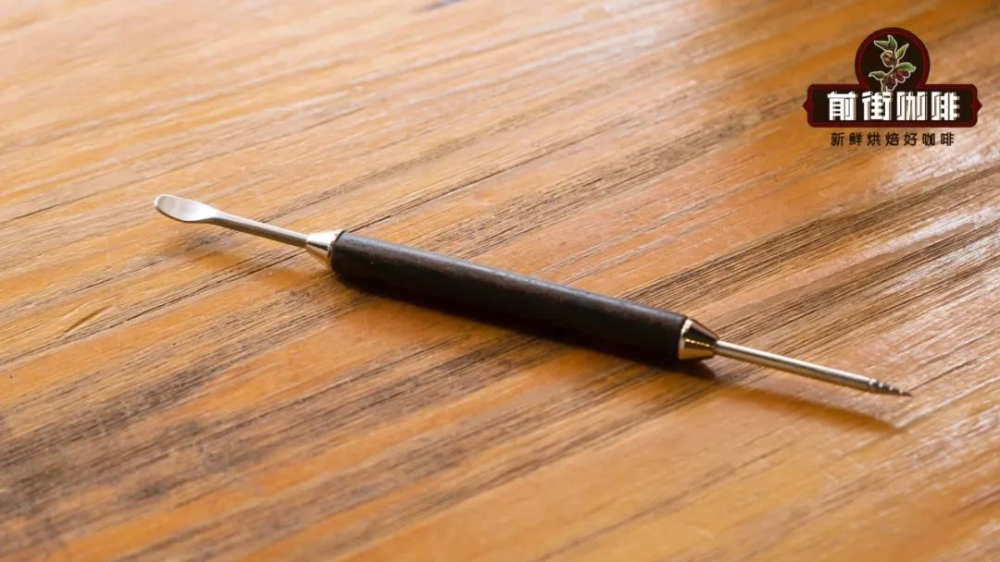
Regardless of price, detailing needles usually come with two distinctly different "heads": one end is pen-shaped, and the other is spoon-shaped. The pen tip is suitable for drawing small, delicate lines, while the spoon end is better for creating larger-area patterns. This dual-head design allows the detailing needle to meet various latte art needs.
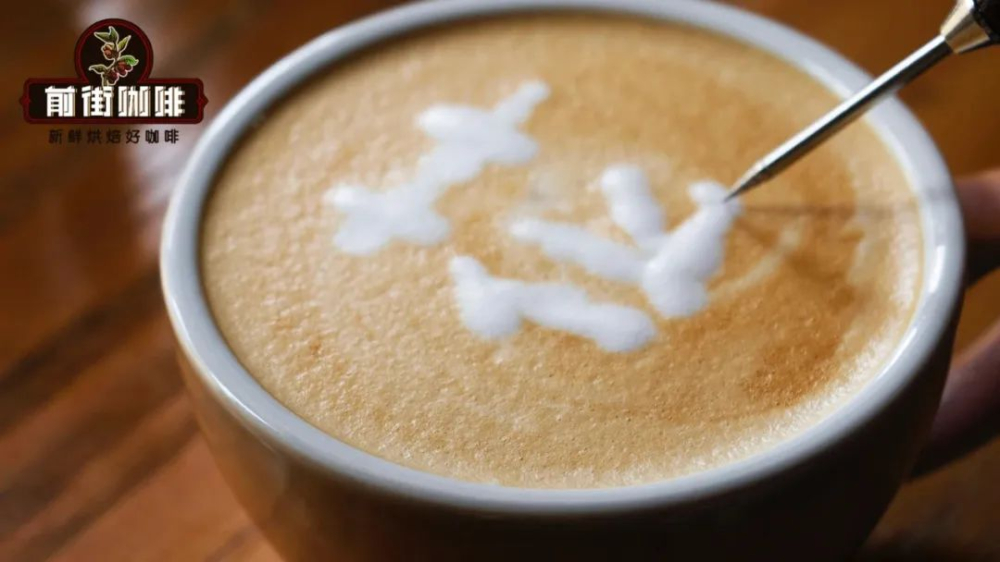
The use of detailing needles is highly flexible—it can be used in conjunction with a latte pitcher to create designs or independently complete an entire artwork. Additionally, it can effectively fix mistakes during the latte art process. For example, when there isn’t enough milk to finish properly, you can use the pen tip of the detailing needle to precisely fill in missing parts and salvage the overall piece.
Next, we’ll share several key details that shouldn’t be overlooked when using a detailing needle to help you improve your operational skills and the completion of your patterns.
1. Preparing Extra "Paint"
If you think of the detailing needle as a brush, then the milk foam and crema are its "paint." Many users are accustomed to directly picking up color from the surface of the already poured coffee, which is certainly possible. However, if you apply too much pressure while drawing, it can leave hard-to-repair marks on the surface, affecting the overall aesthetics of the final pattern. For example, excessive scraping may cause an uneven surface, impacting visual appeal.
To avoid this issue, it’s recommended to start with two approaches: First, you can froth a bit more milk as backup—a strategy commonly used by many professional baristas when doing detailing—but this only applies to the white "paint," i.e., the milk foam part. As for the crema, you still need to extract it from the coffee surface, but it’s advised to gently dip from the edge of the surface to minimize disturbance to the design.

2. The Amount of "Paint" Picked Up
Many people using a detailing needle often run into the problem where they’ve picked up milk or crema, yet can’t draw lines smoothly, or the lines quickly blur or spread. This is usually because they’ve only picked up the surface bubbles, which are too light to form stable lines. The correct approach is to dip into the liquid beneath the bubbles to ensure clear and lasting lines and patterns.
3. Controlling Line Thickness
When using a detailing needle to draw thin lines, a common difficulty is uneven line thickness—sometimes too thick, sometimes too thin. This mainly stems from two factors: either too much or too little "paint" is picked up, or the depth of needle insertion into the liquid is not properly controlled. Observing the tips of most detailing needles, you’ll notice they have four grooves. These grooves not only help retain milk foam but also serve as a reference for line thickness. The thinnest part of the tip is ideal for drawing hair-thin lines, while the wider grooves toward the back are suitable for larger-area patterns like eyes or outlines.

4. Speeding Up Drawing
Compared to using a latte pitcher, drawing patterns with a detailing needle usually takes longer, which may cause the coffee to cool down or the milk foam to lose its bubbles—ultimately affecting taste and aroma. Therefore, it’s recommended to practice the drawing steps on paper beforehand. Once you’re familiar with the process, actual operation will not only ensure a beautiful pattern but also let you enjoy a cup of coffee at its best flavor.

The above content is compiled by CoffeeHunters, a coffee news website.


