Introduction:Blue Mountain coffee is renowned for its high price and exceptional quality. Its allure lies not just in its cost, but in the exquisite balance of acidity, sweetness, bitterness, and aroma. This article delves into the unique growing conditions of the Blue Mountain region, its stringent quality certification system, and details the classic flavor profile of Blue Mountain coffee. It also provides practical brewing parameters for methods such as pour over and siphon, helping readers appreciate the charm of this classic coffee from multiple perspectives.
The fame of Blue Mountain coffee is as loud as its price. Many people’s impression of Blue Mountain stops at the word “expensive,” but its classic status is by no means built solely on price.
What truly sets Blue Mountain apart is an almost unreplicable sense of balance — the four major flavor dimensions of acidity, sweetness, bitterness, and aroma are all precisely calibrated. It feels smooth and rounded on the palate, with no single trait being overly prominent, nor any flavor overlooked.

The birthplace of Blue Mountain coffee — the Blue Mountain region of Jamaica — boasts exceptionally favorable growing conditions. High altitude terrain, fertile volcanic soil, ample rainfall, and a climate often shrouded in mist slow the growth rate of the coffee beans, allowing them to accumulate richer flavor compounds.
Particularly noteworthy is Jamaica’s extremely strict regional certification system for Blue Mountain coffee. Only coffee beans grown within a specific geographical area and meeting a series of criteria are qualified to be labeled as “Blue Mountain coffee.” This not only ensures the quality benchmark of Blue Mountain coffee but also makes it one of the most recognizable origin representatives in the global coffee market.
When it comes to representing the flavor of Blue Mountain coffee, the Jamaican Blue Mountain No. 1 produced by a well-known brand is a classic example. Its overall flavor can be summed up in one word: balance.
The acidity is gentle, not sharp, presenting a light fruit acidity akin to ripe fruit; the bitterness is low and not heavy, with a cocoa-like richness; the sweetness runs throughout the entire drinking experience, delicate like caramel and honey; the aroma is complex and elegant — take a deep sniff, and you can discern notes of cream, chocolate, nuts, and a faint fruity undertone.
On the palate, the texture is smooth and rounded, with a noticeable sweetness in the mid-palate and a clean finish that lingers. Compared to the intense fruit acidity often found in African beans, or the heavy bitterness of dark-roasted Mandheling, Blue Mountain harmonizes its various flavor elements exceptionally well, delivering a comfortable taste experience.
Blue Mountain has become a “classic” precisely because it combines universality with depth. By classic, we mean something that can stand the test of time and be accepted by the majority. Blue Mountain fits this definition perfectly:
For drinkers who dislike sharp acidity, Blue Mountain offers a mild level of acid; for those afraid of bitterness, its bitter notes are soft; for coffee enthusiasts seeking complex flavors, Blue Mountain showcases rich layers; and for the average person simply wanting a good cup of coffee, its excellent balance makes the experience easy and enjoyable.
This “well-balanced” quality allows Blue Mountain coffee to meet the rigorous demands of seasoned coffee aficionados, while also serving as an ideal entry point for many newcomers to specialty coffee.
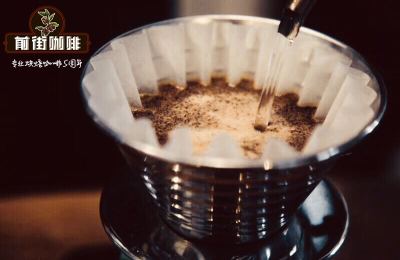
As for how to brew Blue Mountain, the pour over method best highlights its balanced characteristics. It is recommended to use water at 88–90°C, with a grind size between medium-fine, and a brew ratio controlled at 1:15. Whether using a V60 or Kalita-style dripper is fine — the key is to evenly extract the acidity, sweetness, bitterness, and aroma, avoiding over-extraction that could throw the flavors out of balance.
If you prefer a richer taste, Blue Mountain is also well-suited for brewing with a siphon pot, which can further enhance its body. However, in a home setting, pour over remains the more common and convenient choice, not only preserving the full flavor profile but also allowing for parameter adjustments based on personal taste preferences.
Admittedly, Blue Mountain coffee is not inexpensive, but the balance, smooth texture, and classic status it embodies make it a benchmark for the “ideal coffee” in the minds of many. If you want to experience what “coffee is meant to be,” Blue Mountain coffee is definitely worth a try.
The above content is compiled by CoffeeHunters, a coffee news website.