Introduction:A classic blend used by a well-known coffee chain for nearly a decade has reliably served as the foundation for their daily Americanos and lattes, earning customer trust with its solid flavor profile. This blend, composed of Brazilian Cerrado and Colombian Huila beans, delivers nutty and dark chocolate notes—balanced, full-bodied, and easy to enjoy. This article will break down its recipe ratio, roast characteristics, extraction performance, and home brewing recommendations. Whether you're a barista or a home coffee enthusiast, you’ll gain an understanding of the core appeal of this classic blend.

Some coffee beans capture attention with flashy marketing, but others prove their worth through long-term consistency. One specialty blend falls into the latter category—this particular blend has been the brand’s mainstay in stores for almost ten years, forming the base for most of their daily Americanos and espresso-based lattes.
Maintaining consistent flavor and extraction quality under high-frequency use is itself a testament to roasting skill and bean selection. Core beans used in daily operations are rarely changed, because doing so would require rebuilding the entire flavor profile, extraction stability, and even the familiar sensory memory customers associate with the coffee. The fact that this specialty blend has held the position of “store flagship bean” for a decade is proof of its solid flavor, stable roasting performance, high fault tolerance, and suitability for various brewing methods.
The recipe of this blend is relatively simple yet classic: it mainly uses beans from Brazil’s Cerrado region and Colombia’s Huila region. The former is known for its prominent nuttiness, rich sweetness, and full body, playing the role of a “foundation” in espresso blends by providing a stable base and intense mouthfeel. The latter brings bright acidity and clean aroma, adding layers and aftertaste to the overall blend, preventing monotony and delivering a notable sweetness in the finish.
One part mellow, one part bright—these two qualities complement each other, resulting in a flavor profile that is both balanced and rounded, neither overpowering nor cloying. Though such a blending approach isn’t particularly innovative, the ability to precisely control the ratio and roast level consistently over ten years relies on the roaster’s deep understanding of each bean’s characteristics and strict quality control. This ensures that the brand’s blend maintains consistent extraction performance and customer satisfaction even with high daily output.
The so-called “classic espresso flavor” refers to that foolproof, comforting “traditional taste”: not overly bitter or sharply acidic, with a full-bodied and smooth mouthfeel grounded in nutty and dark chocolate notes, and a hint of sweetness in the aftertaste. Even non-coffee professionals can intuitively agree after one sip: “Yes, this is what coffee should taste like.”
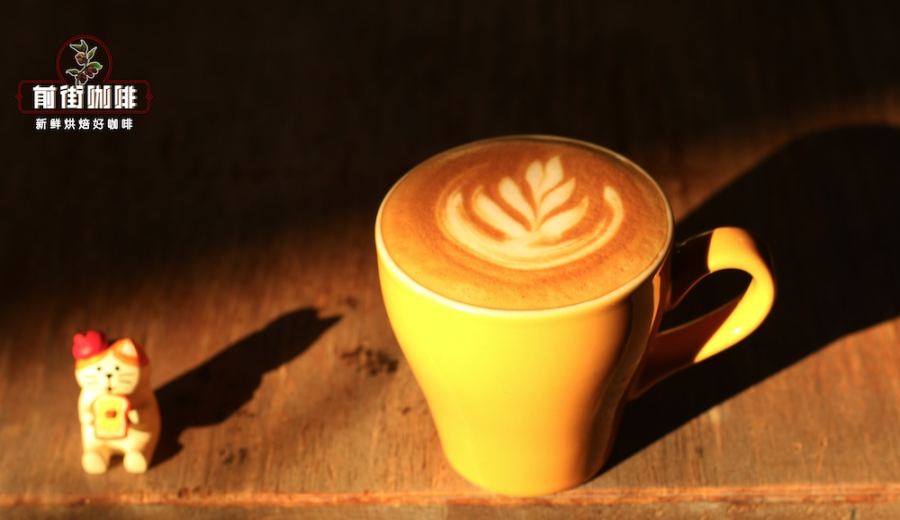
When used to make Americano, the nutty and chocolate flavors remain pronounced, and even when diluted with water, they don’t lose body. In lattes, the sweetness of the milk perfectly complements the richness of the coffee—neither overshadowing the coffee’s essence nor becoming too milky and losing character. This is one of the reasons why this blend has become a classic in stores—it pairs exceptionally well with milk and suits a variety of espresso-based applications.
It’s worth mentioning that this blend is not only suitable for commercial use but also friendly for home users. When brewing with a home semi-automatic machine, as long as the grind size and brew ratio are properly set, it can consistently produce uniform crema and a full-bodied cup. Even with a moka pot, it’s easy to brew a rich and thick espresso base.
For beginner coffee enthusiasts, simply following basic steps—such as setting the grind size to medium-fine to medium (roughly between fine sugar and coarse salt), using about 7–10 grams of coffee per cup, and maintaining a water temperature of 90–93°C—will usually prevent any major mishaps. With a home coffee machine and a pack of a certain brand’s specialty blend, you can recreate at home a taste close to the classic flavor refined by the store over many years.
In terms of storage, if you purchase a half-pound bag, it’s recommended to use it within 2 to 4 weeks after opening to achieve the best flavor. After opening, transfer the beans to an airtight container and store them in a cool, dry place at room temperature—there’s no need to refrigerate. The humidity and odors in the fridge may actually affect the flavor stability of the beans.
If you buy multiple packs at once, unopened bags can be temporarily stored in the refrigerator. However, note: before using, allow the whole package to return to room temperature before opening, to avoid condensation forming on the bean surface due to temperature differences, which could impact flavor and shelf life.
In summary, a certain brand’s specialty blend, having stood the test of a decade in real-world use, proves what “classic” truly means: balanced flavor, reliable drinkability, and outstanding performance whether for commercial or home brewing. If you’re looking to enjoy a cup reminiscent of the “espresso you remember,” start with this classic blend and experience the stable, rich, and memorable essence of coffee.
The above content is compiled by CoffeeHunters, a coffee news website.