








Introduction:The key to perfecting espresso extraction lies in avoiding channeling and mastering the correct distribution and tamping techniques. This article delves into the causes of channeling, provides practical prevention methods, and clearly distinguishes between the operations of distribution and tamping. By observing the integrity of the coffee puck, it helps coffee enthusiasts assess extraction quality, offering useful advice for both beginners and advanced brewers to improve their extraction skills.
When crafting a perfect shot of espresso, channeling is often the hidden culprit affecting flavor. This phenomenon causes water to flow unevenly through the coffee puck, leading to over-extraction in some areas and under-extraction in others, ultimately compromising the overall flavor profile. To address this issue, we need to start by optimizing the foundational steps of distribution and tamping.
Many coffee enthusiasts often confuse distribution with tamping, but in reality, these two steps are fundamentally different.Distributionrefers to the process of evenly spreading the ground coffee in the portafilter basket, aiming to create a consistent foundation for extraction; whereastampinginvolves applying appropriate pressure to compact the coffee bed into a uniform and dense puck, ensuring stable water flow.

The occurrence of channeling is usually related to several factors: uneven distribution leading to inconsistent coffee bed density, improper tamping pressure or angle resulting in a loose puck structure, and mismatched basket selection and coffee dose. When hot water encounters these uneven-density areas, it seeks the path of least resistance, creating what is known as a "channel."
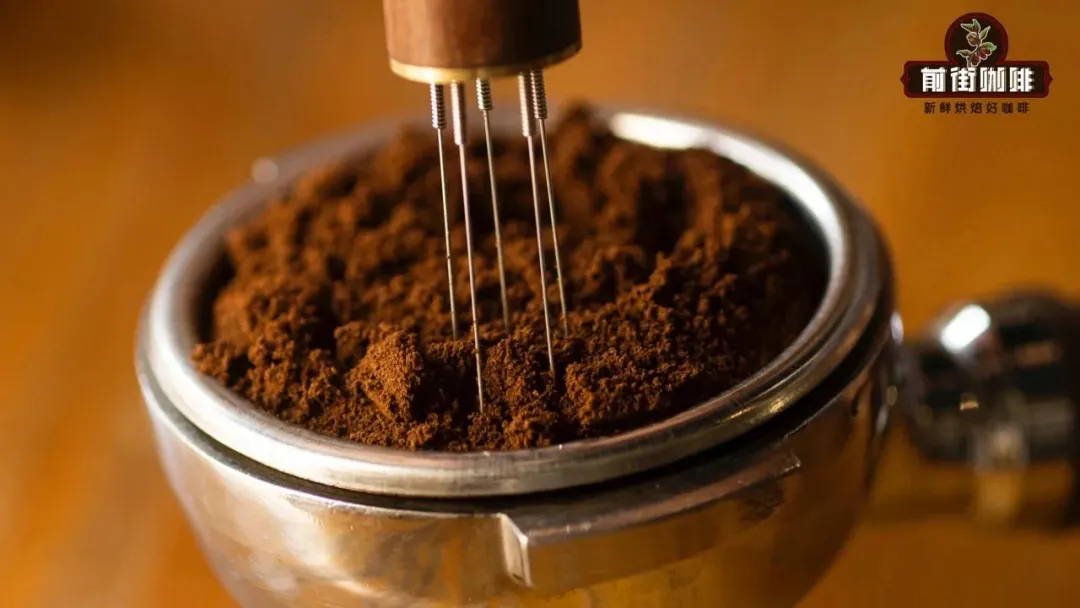
To avoid channeling, the first priority is to ensureeven distribution. Professional baristas often use distribution tools, but if such tools aren’t available, you can also manually distribute the coffee evenly by using a circular wrist motion. Remember, the coffee bed surface should be flat, without any depressions or mounds.

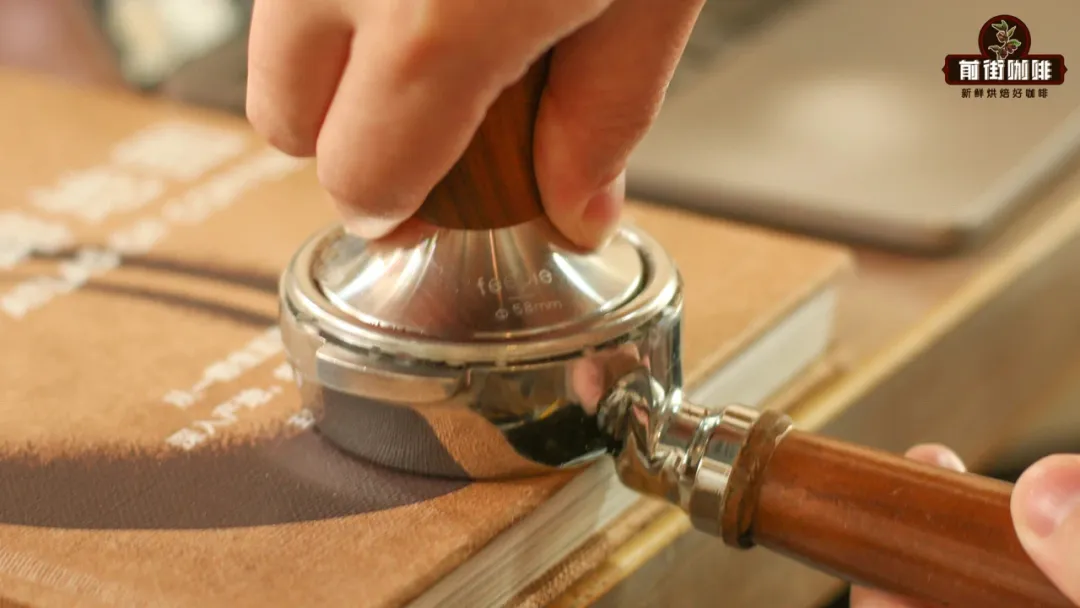
The tamping step is equally crucial.The standard tamping pressuretypically ranges between 30–40 pounds (approximately 13–18 kilograms). This level of pressure is enough to form a solid puck without over-compressing it, which could hinder water flow. Tamp vertically to avoid tilting, which can cause uneven density in certain spots. Tamping height is also important—ideally, the puck surface should be slightly below the rim of the basket to ensure a proper seal once the portafilter is locked in.
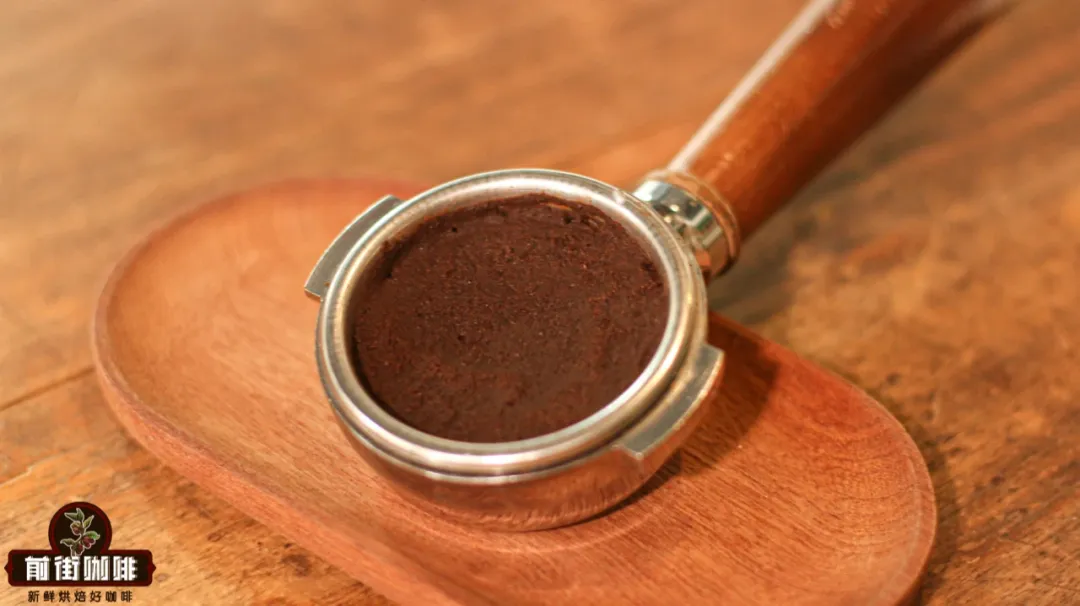
Observing the coffee puck after extraction is an effective way to judge whether the extraction was ideal. A perfect puck should appearintact and uniformly shaped, with clean edges and no obvious cracks or loose areas. As professional baristas describe it, when the portafilter is gently tapped out, the puck should come out as one solid “little puck,” indicating that water distribution during extraction was even and no destructive channels were formed.
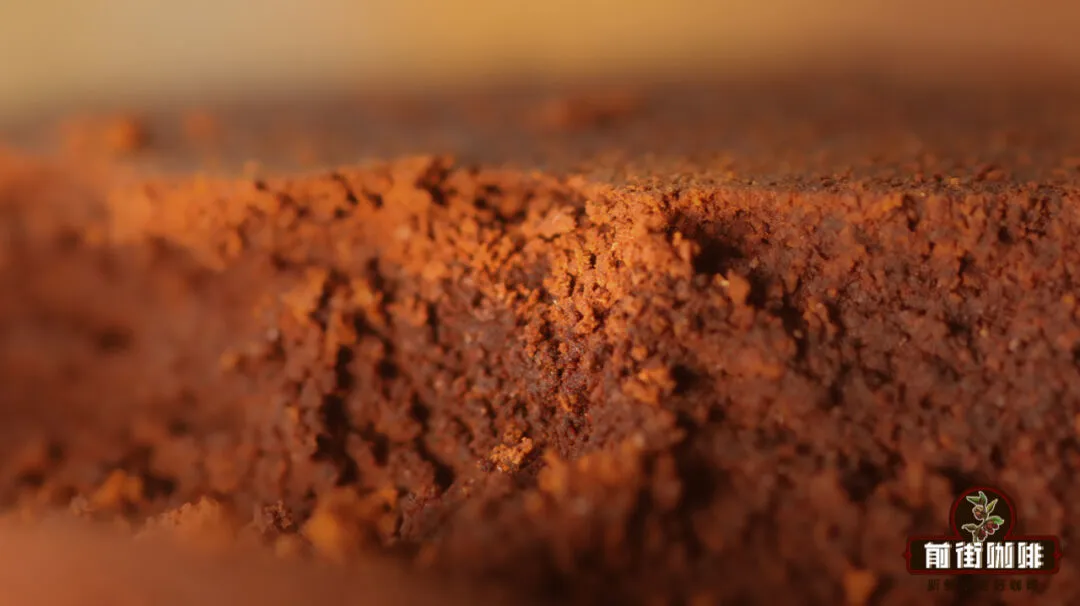
If the puck shows any of the following signs, it may indicate problems during extraction: the puck is loose or crumbly, has visible dents or mounds on the surface, features cracks along the edges, or has an overall incomplete shape. These signs all suggest that water encountered uneven resistance while passing through the puck, leading to channeling.
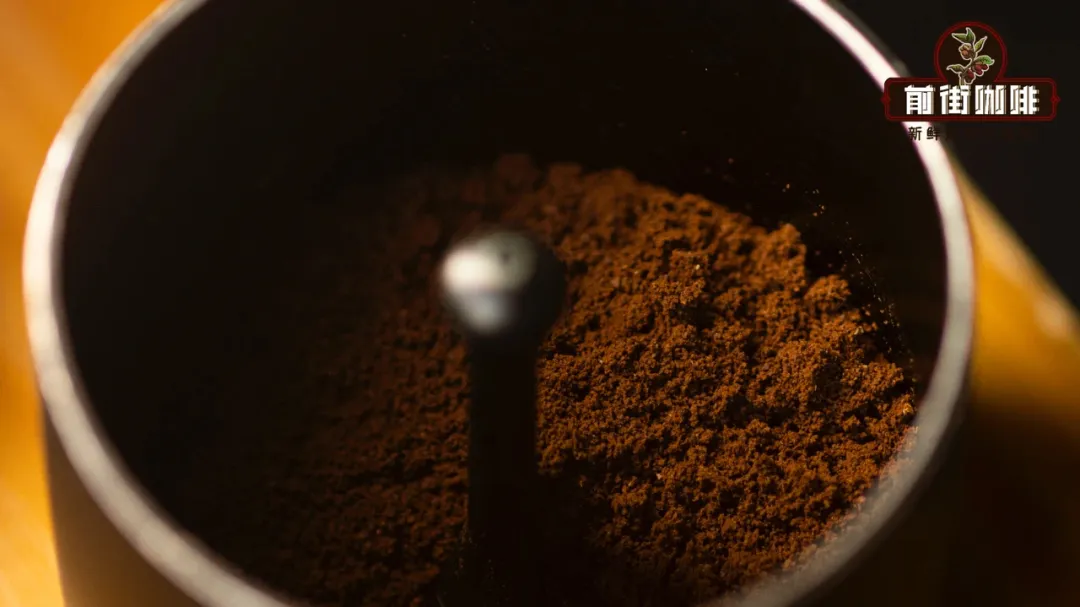
In addition to technique, equipment selection also affects the occurrence of channeling. The design of the basket, the material of the portafilter, and even the grind consistency of the grinder can all influence the final result. It is recommended to use high-quality baskets, ensuring they are smooth and free of defects inside, and to choose a basket with an appropriate depth based on the type of coffee beans used (dark roast or light roast).
For beginners, establishing a consistent extraction routine is particularly important. It’s advisable to record parameters such as grind size, coffee dose, and tamping pressure each time, and through repeated trials, find the combination that works best for your equipment and beans. Remember, coffee brewing is an art that requires patience and observation—every small adjustment can lead to significant changes in flavor.
Finally, when the extraction is complete and you remove the portafilter, that crisp “click” sound and the intact puck being cleanly released are not only signs of technical success, but also a source of satisfaction for the barista. Through continuous practice and attention to detail, you’ll be able to master the techniques for avoiding channeling and brew more balanced, flavor-rich espresso shots.

The above content is compiled by CoffeeHunters, a coffee news website.


