







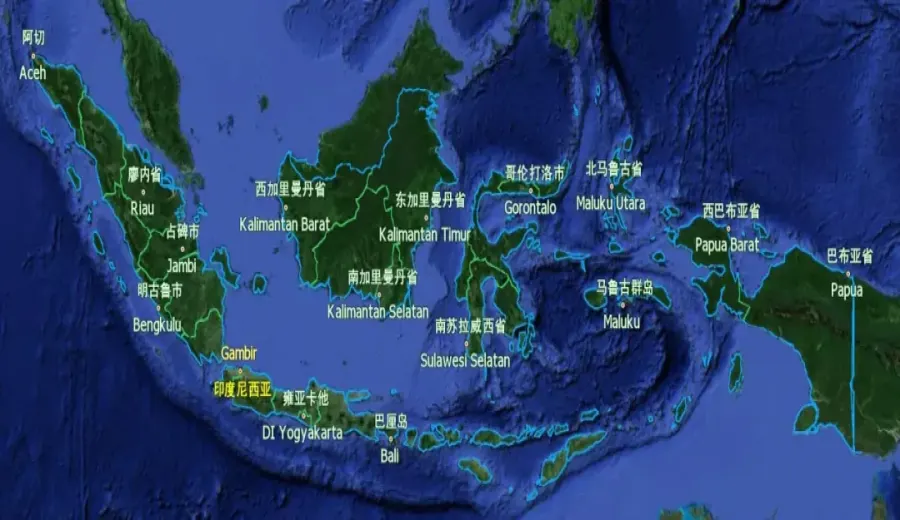
Introduction:Want to understand the flavor characteristics and growing background of Sumatra Lintong Mandheling coffee beans? This article starts with an overview of Indonesia’s major coffee-growing regions, then delves into the geographical conditions of the Lintong area, the origins of the Ateng variety, and offers practical pour over recommendations and flavor profiles to help coffee beginners master the brewing essentials of this classic Indonesian bean.
Indonesia is known as the “Country of a Thousand Islands” and is the world’s fourth-largest coffee producer, consisting of more than 17,000 islands. Among them, Sumatra, Java, Sulawesi, and Bali are the main coffee-producing regions. Due to differences in geography and climate, these islands produce coffees with distinct flavor profiles. This article will introduce you to the growing conditions of Indonesia’s four major coffee regions and focus on the Mandheling coffee produced in the Lintong area of Sumatra—especially the commonly grown Ateng variety—while also sharing practical pour over parameters and flavor characteristics to give you a deeper understanding of this popular Indonesian coffee.
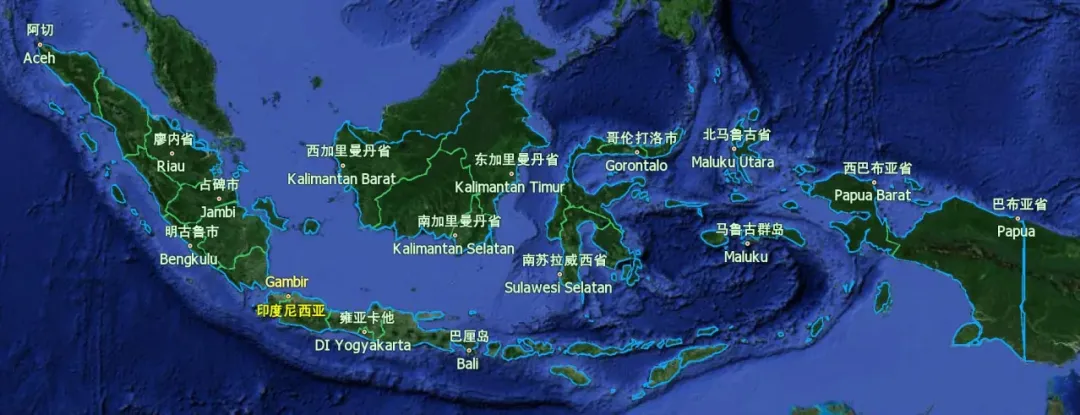
Located in Southeast Asia, Indonesia is made up of 17,508 islands, making it the world’s largest archipelagic country, spanning both Asia and Oceania, with a total area of over 1.91 million square kilometers. The terrain is diverse, and the climate is tropical rainforest type, warm and humid year-round, with average temperatures around 25 to 27 degrees Celsius. Influenced by monsoons, the year is divided into dry and rainy seasons. Situated on the equator, the country enjoys abundant sunshine and rainfall, along with numerous volcanoes. The volcanic soil is rich in minerals, providing excellent natural conditions for coffee cultivation. Indonesia is not only a major agricultural nation but also an important global producer of cash crops, with coffee, palm oil, rubber, and cocoa among its key exports.
Coffee cultivation in Indonesia spans multiple islands and can be mainly divided into four major producing regions: Sumatra, Sulawesi, Bali, and Java. Each region, due to differences in altitude, climate, and variety, produces coffee beans with unique flavor profiles. Understanding the characteristics of these regions can help you choose the coffee that best suits your taste.
The history of coffee cultivation on Sulawesi Island dates back to 1750, where it is mostly grown by smallholders, with only a few large estates. The main growing areas are located at elevations of 1100 to 1800 meters in the Tana Toraja and Kalosi regions, with varieties including S795, Typica, Ateng, and Robusta. The harvest season runs from May to November. Bali Island, on the other hand, saw its coffee industry once devastated by the eruption of Mount Agung in 1963. Although attempts were made to revive it, most production shifted to Robusta, with only a few areas still preserving Typica. The main harvest season is from May to October, at altitudes of about 1250 to 1700 meters.
Java Island is one of the birthplaces of coffee cultivation in Indonesia. Today, its main producing areas are concentrated in the eastern region near Mount Ijen, at elevations between 900 and 1800 meters, primarily featuring Typica, Ateng, and USDA varieties. The harvest season is from July to September. Sumatra Island, meanwhile, started coffee cultivation relatively late, around 1888, with major producing regions including Aceh Province, Lintong near Lake Toba, and Mangkuraja in the south. Lintong is located in the Lintong Hulu District, southwest of Lake Toba, at an altitude of about 1100 to 1600 meters. In the past, it was often sold under the name “Sumatra Mandheling,” but “Mandheling” is actually the name of an ethnic group in the area, not a place name.
In Sumatra, the coffee-growing conditions in the Lintong area are exceptionally favorable. The high altitude, suitable temperature, and nourishment from volcanic soil contribute to the coffee beans’ rich and layered flavors. The commonly grown variety here, Ateng, is actually the local Indonesian term for Catimor—a F1 hybrid of Timor and Caturra. Ateng trees are relatively short with dense fruiting, possess resistance to leaf rust, and are suitable for medium to low-altitude cultivation. However, they are relatively susceptible to nematodes and berry diseases. The raw beans typically have a long, plump shape, mostly red fruit, and are a common economically cultivated variety in many parts of Indonesia.
If you’d like to try brewing Lintong Mandheling, it is recommended to choose beans processed using the wet-hulled (Giling Basah) method. This processing style brings out intense herbal, dark chocolate, and caramel flavors, and gives the brew a full body and long-lasting aftertaste. For actual brewing, you can use a KONO filter cone, with a recommended powder-to-water ratio of 1:15, water temperature controlled at around 92°C, and suitable for medium-dark roasts. These brewing parameters help highlight the bean’s inherent bold character while balancing acidity and sweetness, making it ideal for pour over enthusiasts who enjoy rich flavors.
The above content is compiled by CoffeeHunters, a coffee news website.


