








Introduction:As the world’s second-largest coffee-producing country, Vietnam is dominated by Robusta beans. However, the microclimates and altitude variations across different regions have created unique flavor profiles. This article delves into the planting conditions, major variety distributions, and the quality logic behind Vietnam’s official coffee grading standards in its three key coffee-growing regions—offering essential insights to help readers select the best Vietnamese beans.
Vietnam is not only a coffee powerhouse in Southeast Asia but also plays a pivotal role in the international market with its consistently ranking as the world’s second-largest annual producer. This tropical country, divided by a long, narrow S-shaped terrain, nurtures three distinctive coffee regions—the Central Highlands, Southern Plains, and Northern Mountains—each with its own climate, altitude, and varietal combinations that directly influence the final flavor of the beans.
Geographical and Climatic Foundations
Located south of the Tropic of Cancer, Vietnam has a typical tropical monsoon climate. The north experiences distinct seasonal transitions, with winter temperatures averaging around 23°C to 25°C, while the south is clearly divided into a dry season from October to April and a rainy season from May to September, maintaining an average annual temperature of 26°C to 27°C. With nationwide annual rainfall ranging between 1,500 and 2,000 millimeters and mountainous terrain providing excellent drainage, the environment is ideal for coffee cultivation. Notably, the Central Highlands sees a diurnal temperature variation of over 8°C, which helps coffee cherries accumulate richer flavor compounds.
Detailed Breakdown of the Three Major Regions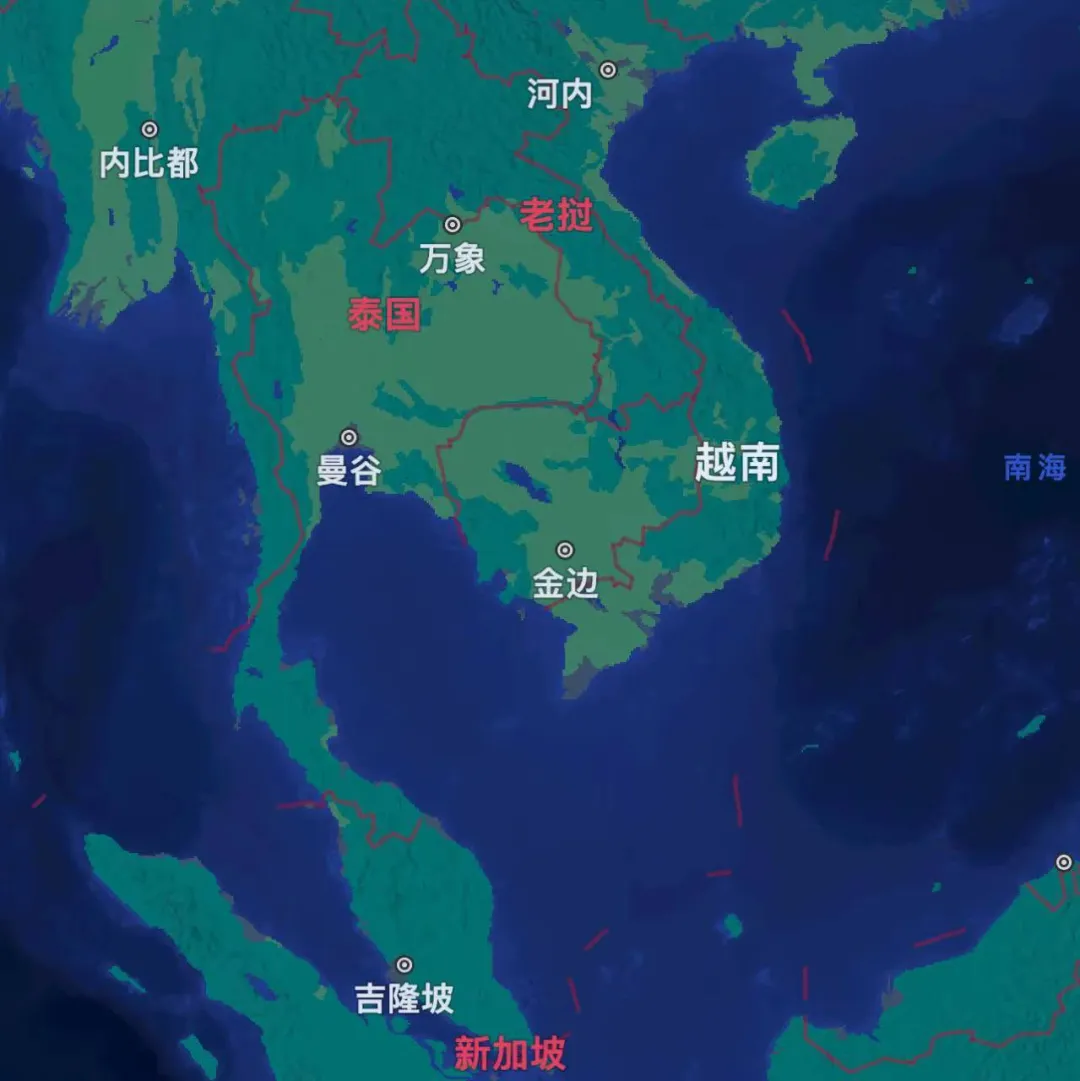
The Central Highlands is undoubtedly the heart of Vietnam’s coffee production, encompassing provinces such as Đắk Lắk, Lâm Đồng, Gia Lai, and Kon Tum. This region features sloping land at altitudes of 600 to 1,000 meters, accounting for approximately70%of the country’s total Robusta output, with the harvest season running from November to March of the following year. While disease-resistant Robusta dominates, some high-altitude areas also experiment with small plantings of Arabica, using cooler nighttime temperatures to slow fruit ripening and enhance acidity complexity.
The Southern Region is concentrated around Đồng Nai Province, northeast of Ho Chi Minh City, where altitudes are lower (200 to 800 meters), and the focus is on heat-tolerant TR-series Robusta varieties. Proximity to major consumer markets and convenient transportation have attracted international giants like Nestlé to establish roasting bases here. The harvest season also falls between November and March, but due to the higher annual average temperature, sugar conversion in the coffee cherries occurs more rapidly, resulting in a richer body.
The Northern Mountains are a rare habitat for Arabica, with provinces like Sơn La, Thanh Hóa, and Quảng Trị—hilly areas near Hanoi—sitting at elevations of 800 to 1,600 meters. Though accounting for just2% to 3%of the national output, the Bourbon and Catimor varieties grown here benefit from cool climates and long daylight hours, developing distinct floral and citrus notes. The harvest season is similarly from November to March of the following year.
Grading Logic and Practical Application
Vietnam employs a straightforward yet practical green bean grading system, based on the number of defective beans in a 300-gram sample—the fewer the defects, the higher the grade. Although the official details are not fully disclosed, the industry generally agrees that batches meeting export standards must maintain defect rates at extremely low levels to ensure purity in roasted flavor. For buyers, understanding this system helps discern the quality levels indicated on coffee bags—especially when selecting specialty Robusta from the Central Highlands, where batches with defect counts below international averages are recommended.
Notably, Vietnamese coffee processing methods primarily include traditional washed and natural (sun-dried) techniques, with some regions beginning to experiment with honey processing to enhance sweetness. When brewing, if choosing Robusta from the Central Highlands, a medium-coarse grind paired with water at 92–94°C is advised to highlight its rich chocolatey base; meanwhile, Northern Arabica benefits from a slightly finer grind and lower water temperature (around 90°C) to bring out its delicate floral and fruity notes.

From undulating terrains to subtle climatic differences, the diversity of Vietnam’s coffee-growing regions goes far beyond surface impressions. Whether you’re a fan of bold Robusta or an specialty coffee enthusiast eager to explore the potential of high-altitude Arabica, understanding these regional distinctions is the first crucial step toward selecting and brewing the right beans.
The above content is compiled by CoffeeHunters, a coffee news website.


