








Introduction:In the coffee brewing process, in addition to the quality of the coffee beans and brewing techniques, the right auxiliary tools can also significantly enhance extraction performance and the overall experience. This article takes an in-depth look at six practical coffee accessories: the secondary shower screen, Paragon ice ball, Lily Drip, powder catcher, extraction observation mirror, and silent air blower. From their functional principles and methods of use to real-world application scenarios, it helps both coffee enthusiasts and professionals refine their techniques. Whether you're a beginner or looking to make advanced adjustments, you'll find the right tool to optimize your brewing process.
The pursuit of a perfect cup of coffee involves not only selecting high-quality beans and mastering precise techniques, but also recognizing that many seemingly minor accessories can play a key role in the details. These tools not only improve extraction efficiency and stabilize the coffee puck structure, but also enhance operational convenience and cleanliness, allowing you to handle various brewing situations with greater ease. This article will introduce in detail six practical coffee accessories, including the secondary shower screen, Paragon ice ball, Lily Drip, powder catcher, extraction observation mirror, and silent air blower. From their functions, usage methods to actual benefits, it helps you find practical solutions to elevate coffee quality.
First up is the "secondary shower screen." This is a simple-looking thin circular metal mesh. It comes in various designs tailored to different coffee brewing equipment, but its core function remains the same—enhancing the extraction uniformity of espresso. To use it, simply place it flat on top of the coffee puck before brewing. As hot water drips through the shower screen, the secondary shower screen redistributes the water flow, allowing it to penetrate the entire coffee bed more evenly. This helps avoid issues like over-extraction or under-extraction in certain areas, resulting in a more balanced flavor profile.
Next is the highly acclaimed "Paragon ice ball" by professional baristas.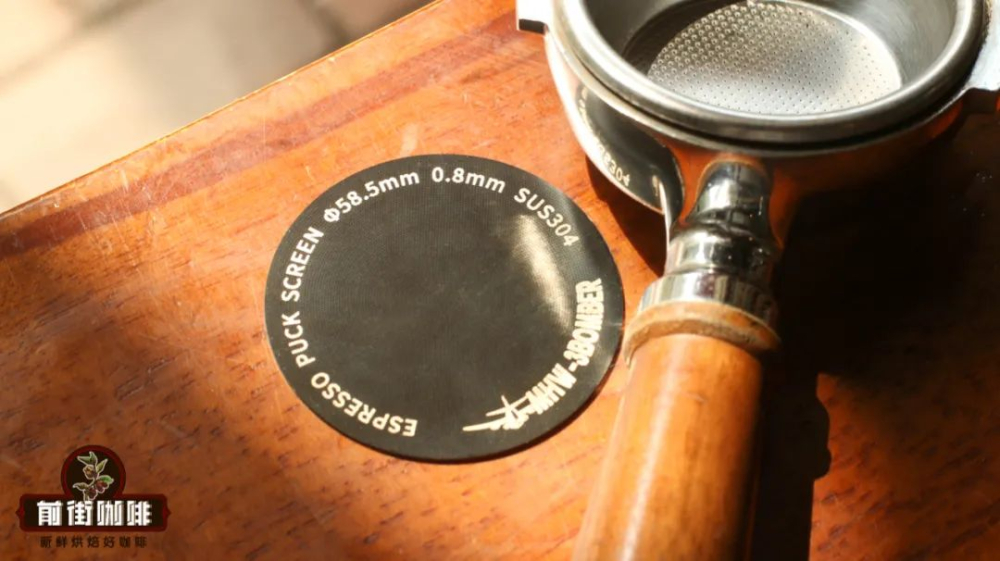 This small, metallic-looking sphere was developed by World Barista Championship winner Sasa Sestic and his team. Its primary function is to rapidly lower the temperature of dripping coffee liquid by leveraging the internal low-temperature storage properties of the sphere, effectively slowing down aroma evaporation and extending the preservation time of coffee flavors. Whether you’re using pour over or espresso brewing, just place the ice ball below the coffee drip path to achieve the cooling effect. It’s simple to operate and the results are noticeable. Readers interested in learning more about its performance can also refer to related reviews.
Another tool that has garnered significant attention in coffee competitions is the "Lily Drip."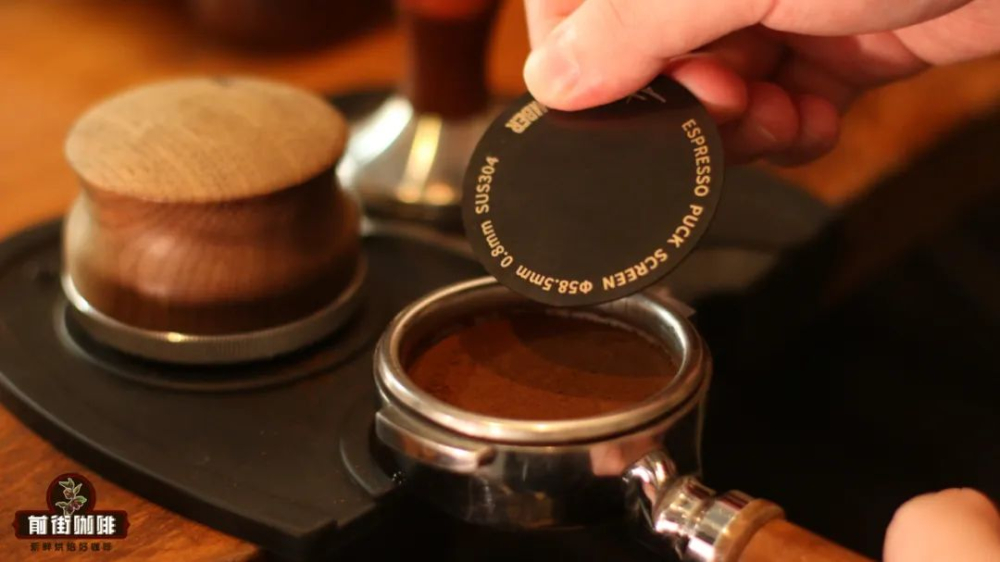 It is a small auxiliary component installed inside the filter basket, primarily designed to improve the distribution of coffee grounds within the basket and prevent uneven extraction caused by overly concentrated stacking in the center. Different designs correspond to different filter basket models, so it's important to choose the appropriate Lily Drip based on your filter basket structure to ensure even distribution of the coffee bed and thus enhance overall extraction performance. If you often struggle with uneven coffee extraction, consider selecting a Lily Drip that matches your filter basket model to further optimize your brew results.
In daily coffee preparation workflows, the "powder catcher" is also a practical tool relied upon by many baristas. While the traditional method of directly pouring ground coffee from the grinder into the portafilter is quick, it can easily lead to powder scattering, moisture affecting the scale, or even inaccurate weighing.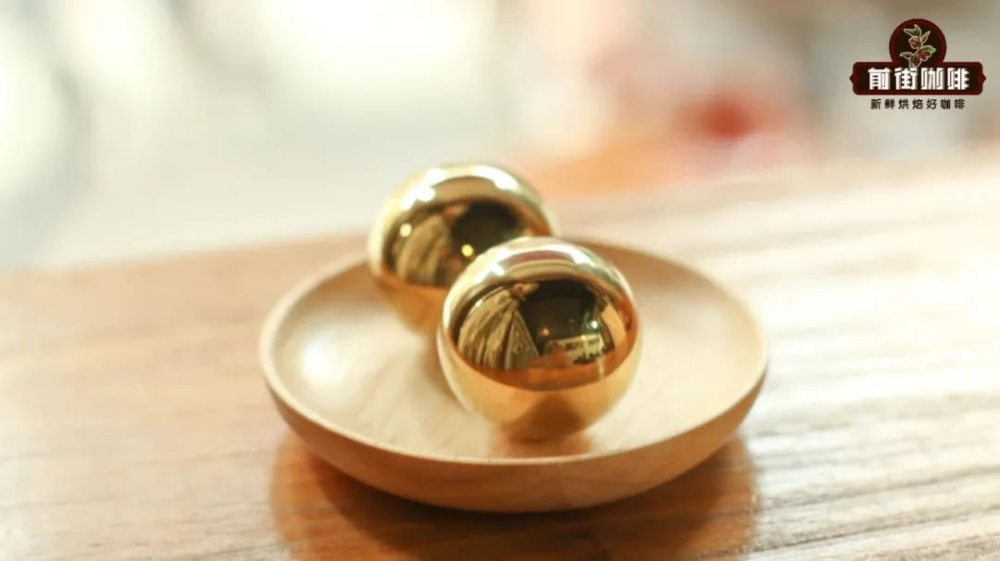 Using a powder catcher allows you to first catch the freshly ground coffee, then control the release of the powder into the portafilter via a valve. This not only keeps the workspace tidy but also ensures a more uniform distribution of coffee grounds, contributing to more consistent extraction. However, this method adds an extra step to the process, which may slightly impact shops with high output volumes. It’s recommended to choose the powder-catching method that best suits your actual needs.
Another often overlooked but highly practical tool is the "extraction observation mirror."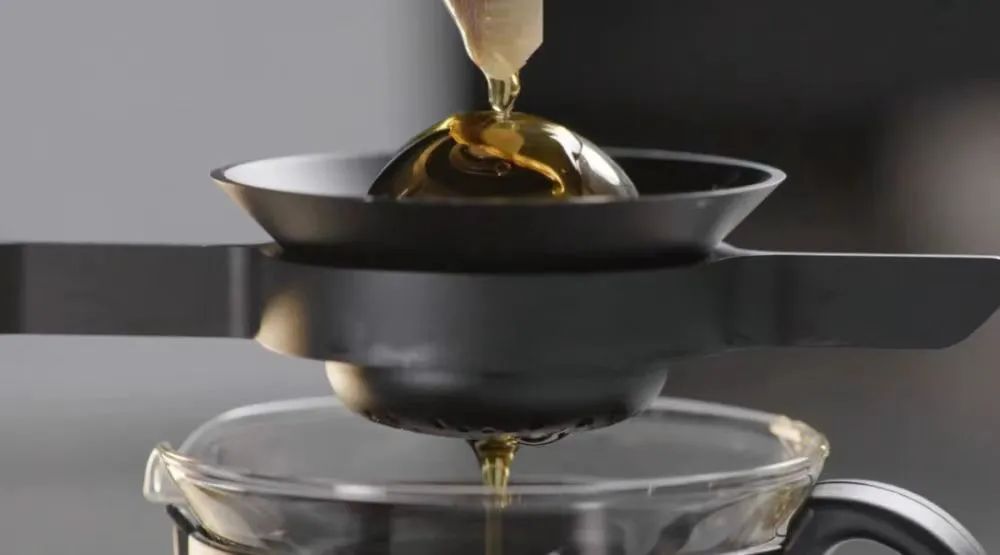 This small mirror is designed to assist in observing the extraction status of coffee machines positioned low to the ground, especially useful for users with bottomless portafilters. By placing the mirror at the corresponding position at the bottom of the portafilter, you can clearly see the espresso’s flow rate and color changes in the mirror without needing to bend down or adjust your posture. This helps you instantly assess whether the extraction is proceeding smoothly, serving as an important visual aid for adjusting grind size and water temperature.
Finally, we introduce the "silent air blower," which can greatly improve the working environment.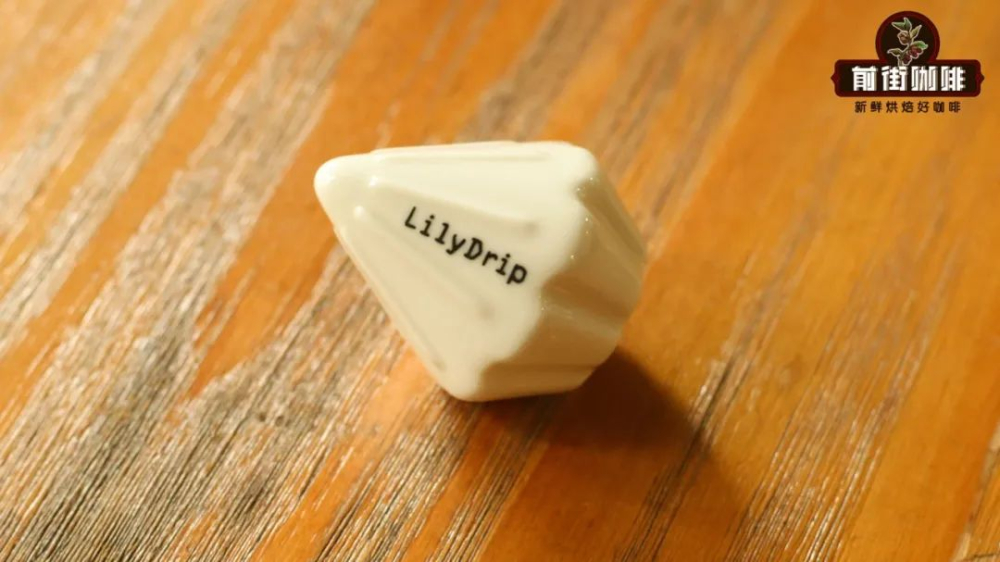 After extraction, removing the coffee puck often produces considerable noise due to knocking, which not only affects the surrounding environment but may also disrupt the customer experience. The design principle of this air blower is to press it tightly against the back of the portafilter handle and apply gentle air pressure to allow the puck to detach from the portafilter effortlessly under pressure. The entire process is nearly silent, significantly reducing operational noise. It’s ideal for shops or home users who value store ambiance and customer service quality.
The six coffee accessories introduced above each address practical issues in coffee extraction and operational workflows from different angles. Whether you’re a beginner just starting out or an advanced enthusiast chasing ultimate flavor, you can choose the right tool based on your needs to further enhance the precision and enjoyment of coffee making. These tools are just a small part of the many practical accessories available. We’ll continue to introduce more detailed applications and equipment options for you in the future.
The above content is compiled by CoffeeHunters, a coffee news website.


