







Introduction:Ecuador has recently experienced an escalation in domestic armed conflict and heightened diplomatic crises, which not only impact social stability but also significantly affect key industries such as coffee exports and tourism. This article provides an in-depth analysis of the current situation’s real impact on the local industrial chain, with a particular focus on the safety of coffee-growing regions and the confidence of international buyers. It also offers travel and procurement precautions to help industry professionals and enthusiasts stay updated on the latest developments.
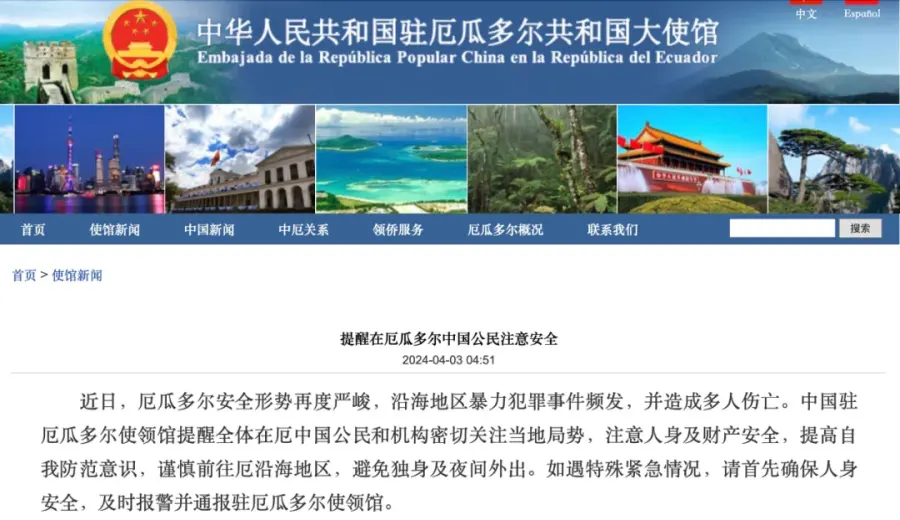
Recently, the Chinese Embassy in Ecuador issued an important security advisory, highlighting frequent violent crimes in the country’s coastal areas and urging Chinese citizens and businesses to remain vigilant. Behind this alert lies Ecuador’s long-standing struggle with internal armed conflict and a highly publicized embassy raid and arrest that sent shockwaves through Latin American diplomacy. As a country heavily reliant on the export of oil, bananas, cocoa, and coffee, as well as income from tourism, Ecuador is now facing the dual challenges of a deteriorating trade environment and declining tourist interest.
Although Ecuadorian specialty coffee has been gaining recognition in international coffee competitions in recent years, gradually attracting the attention of global coffee scouts and roasters, the current unstable situation casts a shadow over these promising industries. Particularly in coffee-growing regions and popular tourist destinations, local security conditions directly influence supply chain stability and visitor numbers, placing notable economic pressure.
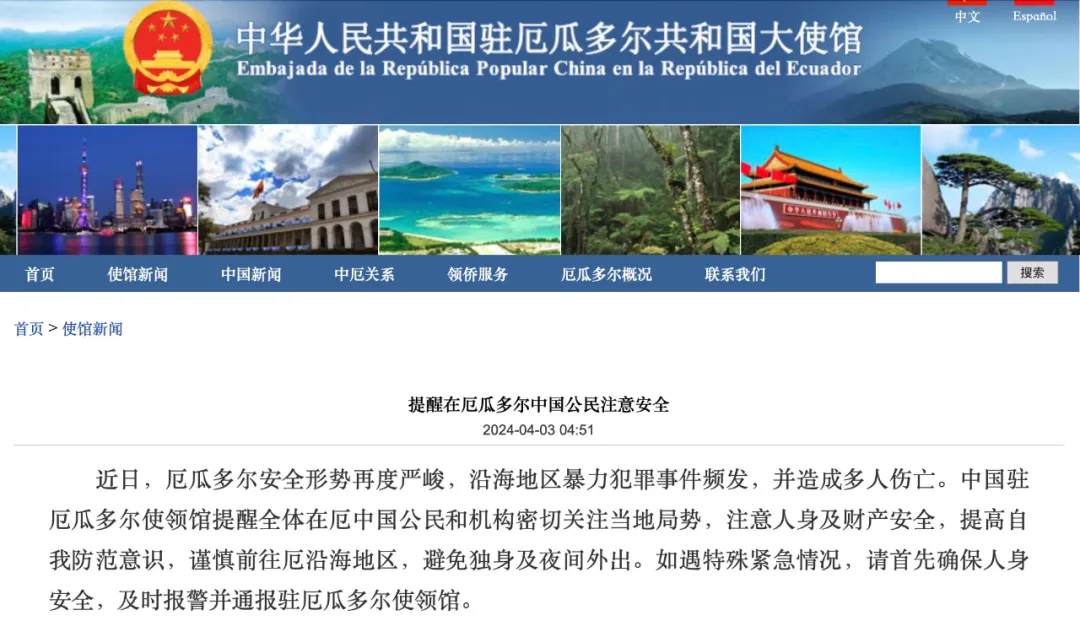
According to a notice issued by the Chinese Embassy in Ecuador, there have been multiple incidents of violent crime in the coastal areas recently, resulting in several casualties. The embassy advises Chinese citizens either in the country or planning to visit to pay close attention to personal and property safety, enhance self-protection awareness, and recommends avoiding non-essential travel to high-risk areas, refraining from traveling alone, and especially not staying out late at night.
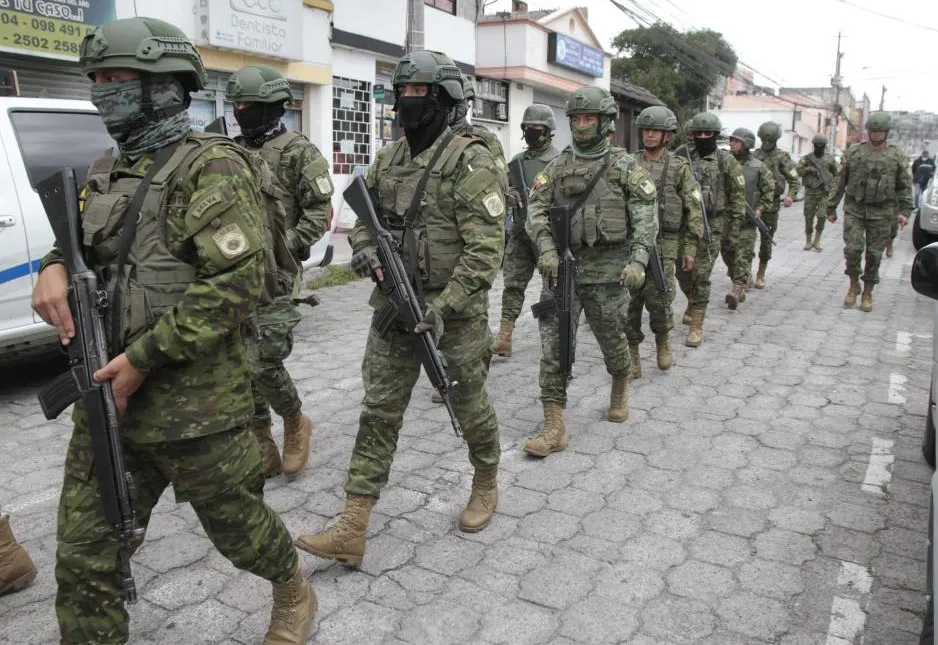
The backdrop to this security warning is Ecuador’s ongoing escalation of armed conflict and a major diplomatic storm. Earlier this year, in an effort to curb crime, the Ecuadorian government announced an upgrade in prison security management, which triggered dissatisfaction among drug cartel groups and led to jailbreaks and prison riots in multiple locations. In response, the government declared a 60-day nationwide state of emergency, framing the situation as an “internal armed conflict” and mobilizing military and police forces to combat organized crime. In early March, the president signed an executive order extending the state of emergency for another 30 days. Although the official end of the state of emergency was announced in early April, the continued activity of armed groups within the country means that the de facto state of conflict has not yet been resolved.
At the same time, Ecuador is also embroiled in a serious diplomatic crisis. Former Vice President Jorge Glas, who was sentenced for corruption and had sought political asylum at the Mexican Embassy, was arrested on the evening of April 5th when Ecuadorian security forces broke protocol by deploying armored vehicles to storm the Mexican Embassy in Quito and forcibly detain him. This move immediately drew strong protests from Mexico, whose foreign ministry announced the severing of diplomatic ties with Ecuador, accusing it of severely violating the Vienna Convention on Diplomatic Relations and endangering the safety of diplomatic personnel. The following day, Nicaragua also announced the severance of diplomatic relations with Ecuador.
This incident has caused widespread uproar across Latin America, with numerous governments and international organizations condemning Ecuador’s actions and emphasizing the need to respect international law and diplomatic immunity. Entities such as the Organization of American States pointed out that Ecuador’s approach could set a dangerous precedent, undermining international order, and Mexico has taken legal action against Ecuador at the International Court of Justice in The Hague.
Ecuador’s economy is highly dependent on the export of oil, bananas, cocoa, and coffee, with tourism also being a significant source of income. However, the current diplomatic tensions not only risk affecting trade cooperation and investor confidence but also raise concerns among international buyers about the stable supply of local agricultural products, particularly coffee and bananas, thereby impacting export performance. In terms of tourism, while the majority of Ecuador’s visitors come from the United States, Colombia, Peru, and Spain, the unstable situation is reducing travel willingness and directly impacting local industries such as hotels, restaurants, and tour guide services.
It is worth noting that although Ecuadorian coffee is not as internationally renowned as that of neighboring Colombia or Panama, it has been gradually making a name for itself in various global coffee evaluations in recent years, attracting many professional coffee scouts to explore unique flavor profiles in its growing regions. However, current safety concerns make these trips uncertain. Industry insiders recommend that professionals planning to visit Ecuador for coffee evaluation or procurement closely monitor local developments, avoid high-risk areas, travel in groups whenever possible, minimize nighttime outings, and prioritize personal safety.
Overall, Ecuador’s coffee and tourism industries are at a critical juncture. While their quality is increasingly recognized in the international market, stabilizing the domestic situation and rebuilding confidence in investment and tourism will be key to sustaining and expanding their presence in the global market in the future.
The above content is compiled by CoffeeHunters, a coffee news website.


