







Introduction:Delve into the eight renowned coffee-growing regions of Guatemala, a major Central American coffee-producing country. How do factors such as high-altitude volcanic terrain and diverse microclimates shape the unique flavors of each region’s coffee? This article provides an in-depth analysis of the growing environments and characteristics of regions like Huehuetenango and Antigua, along with practical brewing references for washed processed beans to help you find your ideal coffee flavor.
Guatemala is a globally recognized origin for specialty coffee, with coffee cultivation taking place in 20 out of its 22 departments. Among them, eight regions—Huehuetenango, Cobán, Nuevo Oriente, Atitlán, and Antigua—are particularly noteworthy. These areas are mostly located at high altitudes, boasting fertile volcanic soils, abundant rainfall, and diverse microclimates, all of which contribute to the vibrant acidity, clear layers, and clean profile that Guatemalan coffee is known for. Below, we’ll explore these regions one by one from a geographical perspective, introducing their unique conditions and coffee profiles.
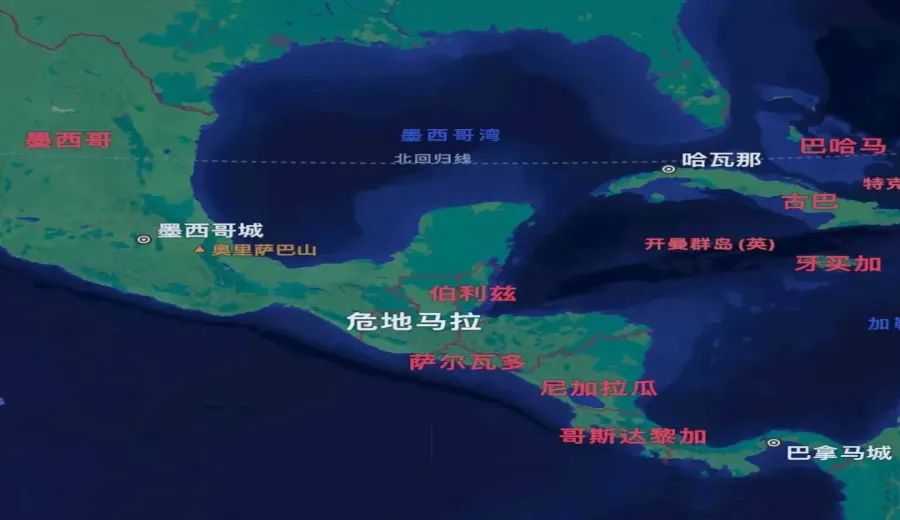
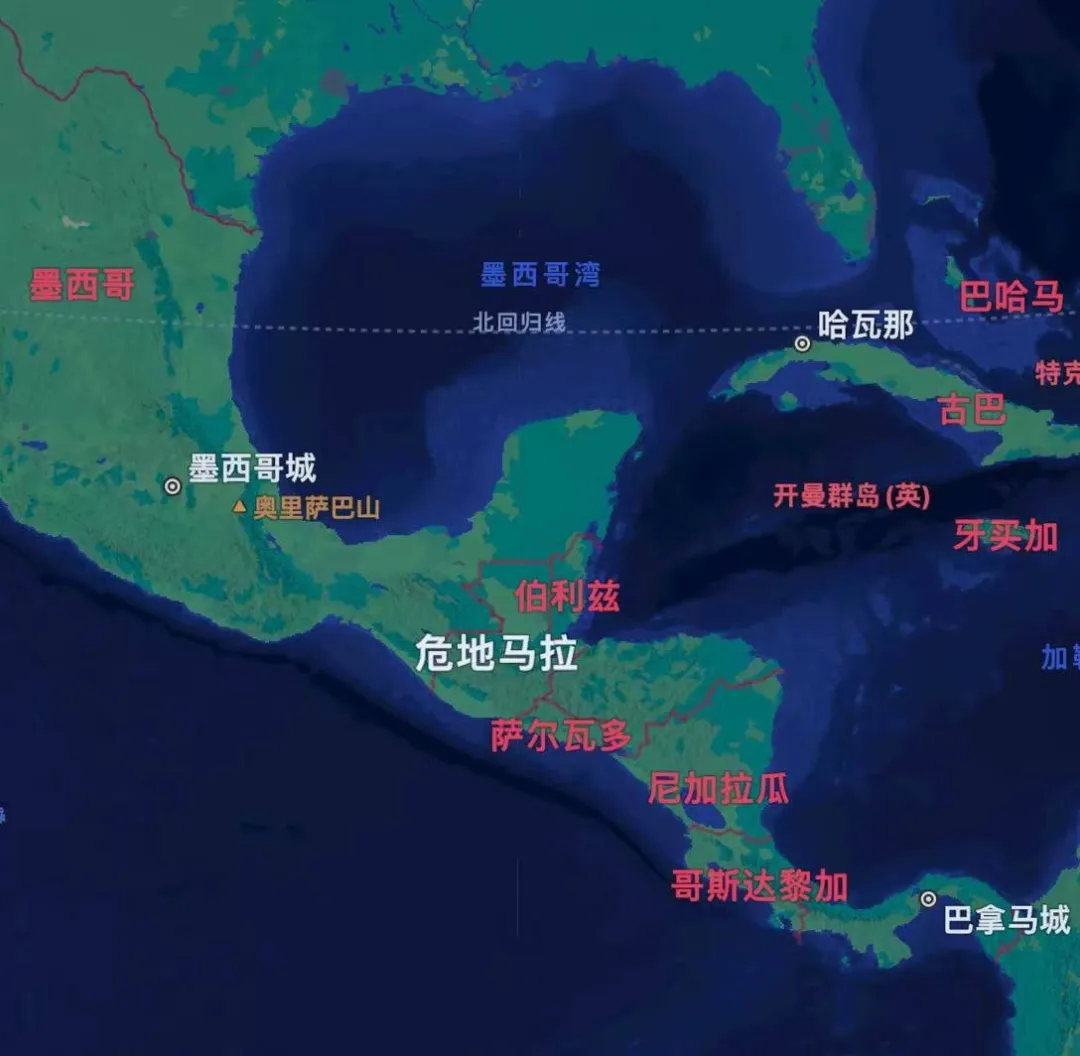
Guatemala is located in Central America, covering an area of approximately 108,900 square kilometers. The country is predominantly mountainous, with a terrain consisting mainly of plateaus and mountain ranges. It is home to 37 volcanoes, including Tajumulco Volcano, which stands at 4,211 meters and is the highest peak in Central America. The national climate varies by region, with a tropical rainforest climate in the north and a subtropical climate in the southern mountainous areas, characterized by distinct wet and dry seasons. Coffee cultivation is primarily concentrated in high-altitude mountainous regions between 1,300 and 1,800 meters, where the cool and stable climate, along with significant day-night temperature variations, helps coffee cherries accumulate flavorful compounds.
Regional Classification: Differences Between Volcanic and Non-Volcanic Soils
Guatemala’s eight main coffee-growing regions can be divided into five volcanic regions and three non-volcanic regions based on soil characteristics. Volcanic regions benefit from ash-rich soils that are high in potassium, phosphorus, calcium, and other elements, which aid in nutrient absorption by coffee plants and often result in a fuller body and complex flavor profiles. In contrast, non-volcanic regions rely on other natural conditions such as high altitude and unique microclimates to produce distinctive coffees.
Huehuetenango: Highland Advantage and Unique Hot Wind Protection
Located in western Guatemala, Huehuetenango is one of the country’s highest-altitude coffee-growing regions, with plantations typically situated between 1,800 and 2,100 meters above sea level. The region’s name comes from the Nahuatl language, meaning “land of the ancients.” It lies at the foot of the Sierra de los Cuchumatanes, the highest non-volcanic mountain range in Central America. One unique geographical advantage is the dry, hot winds from the tropical plains of Tabasco, Mexico, which help reduce the risk of frost, allowing coffee to thrive stably at higher elevations. Additionally, the area has a dense river network and stable water sources, creating ideal irrigation and ecological conditions. As a result, coffees from this region often exhibit bright citrus notes and a tea-like aftertaste.
Cobán: Washed Processing Experts in Tropical Rainforest
Located in central Guatemala, Cobán features a typical tropical rainforest climate, with year-round cloudiness, abundant rainfall, and relatively cool temperatures. Coffee is mostly grown in hilly areas at elevations of 1,300 to 1,500 meters, with soils being a mixture of limestone-rich and clay types. Due to climatic constraints, washed processing is the predominant method here, with sun-dried beans being rare. Coffees from Cobán typically display gentle fruit acidity and delicate herbal notes, making them suitable for drinkers who prefer a refreshing taste profile.
Nuevo Oriente: A Young Region with Diverse Flavors
Nuevo Oriente is one of Guatemala’s younger coffee-growing regions, with coffee cultivation only beginning to develop in the 1950s. Bordering Honduras, this eastern region sits at elevations ranging from approximately 1,500 to 2,050 meters and is often shrouded in clouds with high humidity and limited sunlight. The region’s soils, enriched by historical volcanic activity, combined with its high altitude and rainy conditions, result in rich and layered coffee flavors. Some processing facilities employ honey processing methods, highlighting bright fruit aromas such as sweet orange and bergamot, along with a smooth honey-like mouthfeel and toffee sweetness.
Atitlán: Premium Microclimate by the Volcanic Lake
The Atitlán region is located in central Guatemala and takes its name from the country’s largest volcanic lake—Lake Atitlán. Surrounded by three volcanoes, the volcanic slopes around the lake are the primary coffee-growing areas, situated at elevations of about 1,500 to 1,700 meters. The volcanic soils are rich in various minerals, providing ample nutrients for coffee plant growth. Coffees from this region often feature a well-defined fruit acidity structure paired with good body, making them a popular choice among many specialty coffee enthusiasts.
Antigua: Classic Flavor Surrounded by Volcanoes
The Antigua region is surrounded by three active volcanoes—Agua, Fuego, and Acatenango—and is one of Guatemala’s most iconic traditional coffee-growing areas. Coffee is mainly planted in valleys at elevations of around 1,500 to 1,700 meters. The active Fuego volcano contributes to a consistently high humidity level of about 65% in the area. Local farmers often use shade-grown cultivation methods to protect coffee trees from cold damage while maintaining microclimatic stability. Antigua coffees commonly exhibit bright lemon acidity paired with complex fruit aromas such as cherry and spice, along with a full body and long, lingering aftertaste.
Additional Volcanic Regions: Acatenango, Fraijanes, and San Marcos
In addition to the key regions mentioned above, Acatenango, Fraijanes, and San Marcos also belong to the volcanic soil group. These regions, due to differences in geographical location and altitude, each showcase distinct flavor profiles. For example, Acatenango is known for its balanced acidity-sweetness ratio and rich floral notes, Fraijanes benefits from its proximity to urban areas, offering convenient transportation and typically producing coffees with clear and straightforward flavor styles, while San Marcos receives higher annual rainfall, often resulting in coffees with intense tropical fruit characteristics.
Recommended Washed Bean: Entry-Level Choice from Huehuetenango
For those new to Guatemalan coffee, washed-processed beans from Huehuetenango are highly recommended. Typically grown at elevations between 1,500 and 2,000 meters, common varieties include Bourbon, Caturra, and Catuai. The washed processing method highlights a clean and bright flavor profile. It is suggested to use a V60 dripper, a 1:15 coffee-to-water ratio, and a water temperature of around 91°C for pour over brewing. This is ideal for drinkers who enjoy a balance of fruity acidity and tea-like qualities. After brewing, you can often detect layers of citrus, berries, and nuts, with a soft tea-like finish. It’s perfect for everyday drinking or as an entry point to understanding Guatemalan coffee flavors.
The above content is compiled by CoffeeHunters, a coffee news website.


