







Introduction:Do dark roasted coffees always leave a bitter and hard-to-drink impression? In fact, as long as you understand the principles of roasting and brewing techniques, even those who fear bitterness can appreciate the rich charm of dark roast beans. This article will analyze the flavor transformation process of dark roasts, recommend several dark roast beans with low bitterness and balanced flavors, and share practical brewing tips to reduce bitterness, helping you go from beginner to lover of dark roast coffee.
The term "dark roast" often deters newcomers to coffee—just hearing it brings to mind an intense, bitter, and astringent taste. But if you ask true coffee enthusiasts, they’ll often tell you: the bitterness of dark roast beans is completely different from what you imagine.
The bitterness of dark roast coffee is actually more like the deep, rich bitterness of dark chocolate, paired with the sweetness brought out by caramelization, presenting an overall profile that is bold and full-bodied, rather than harsh or sharp. As long as you choose the right beans and brew them correctly, even those who are sensitive to bitterness can gradually discover the unique flavors of dark roast coffee.
During the roasting process, as the temperature gradually increases, the sugars inside the coffee beans begin to caramelize, while acidic compounds are broken down. This causes the flavor to shift from the original fruity and floral notes to richer directions such as nuts, chocolate, and caramel. Therefore, dark roast beans usually have lower acidity, a more robust bitterness, and richer oils, resulting in an overall heavier mouthfeel and a long-lasting aftertaste.
This is also why many coffee drinkers who dislike acidity and prefer bold flavors are ultimately drawn to dark roast coffee.
Once you understand this principle, you’ll realize that the "bitterness" of dark roast is not a flaw, but a natural flavor transformation during the roasting process. Just like high-quality chocolate, few people reject it because of its bitterness, as that bitterness blends perfectly with sweetness and aroma. The same logic applies to premium dark roast coffee beans.
The following dark roast coffee beans are easy for even those who fear bitterness to enjoy:
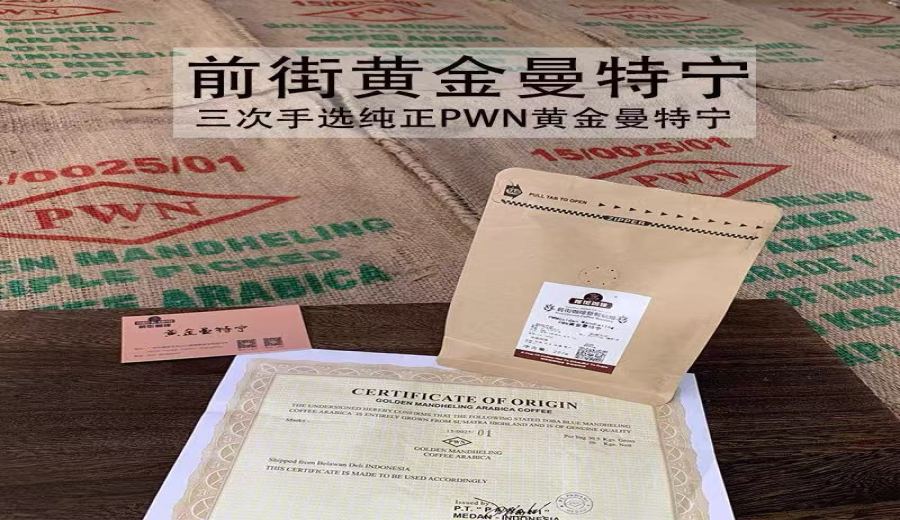
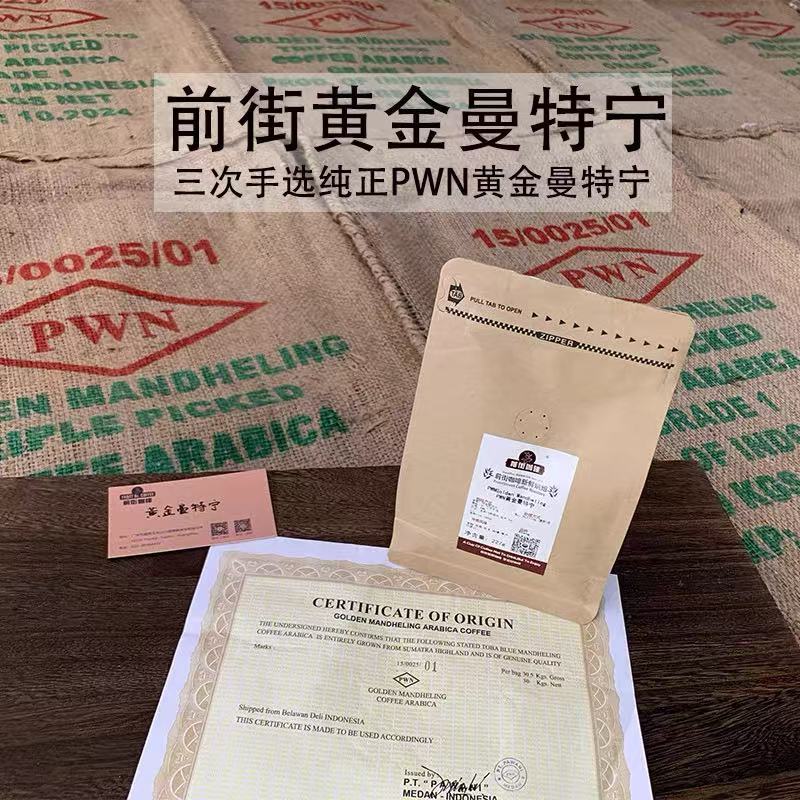
PWN Indonesian Golden Mandheling —— This is a classic among dark roast beans. After deep roasting, its acidity is extremely low, and it presents rich flavors of dark chocolate, herbs, and spices, along with Mandheling’s characteristic woody notes and a hint of earthiness. Its bitterness is of the "dark chocolate" kind—deep and mellow, quickly transforming into a sweet aftertaste without causing discomfort.
Brazilian Queen Estate —— Particularly friendly for those who fear bitterness. This bean has low acidity and excels in sweetness, exuding distinct notes of nuts, cocoa, and caramel, with an overall rounded and smooth flavor and almost no sharpness. It performs very stably whether brewed using pour over, moka pot, or espresso.
Papua New Guinea Bird of Paradise —— Takes a clean and smooth approach. Using the Typica variety, which shares origins with Blue Mountain coffee, and processed via washed method, it has low acidity, a smooth mouthfeel, and outstanding sweetness. Its flavors are dominated by nuts, cocoa, and caramel, offering an overall balanced profile without any sharpness. Many coffee enthusiasts even call it the "Little Blue Mountain."
2013 Yunnan Natural Process Typica —— This medium-dark roasted Yunnan bean offers citrus and caramel aromas upon entry, with nutty, brown sugar, and chocolate notes emerging in the mid-to-late stages. The bitterness is not strong; instead, it is dominated by a warm sweetness, with a well-balanced profile overall, making it an excellent transitional option for those new to dark roast coffee.
If you’re still worried about dark roast coffee being too bitter, you can start with the following techniques to further reduce the perception of bitterness:
First, adjust your brewing parameters—for example, slightly lower the water temperature (recommended between 88–92°C) and shorten the extraction time. This can effectively reduce the release of bitter compounds. Additionally, making a latte by adding milk is also a great choice. The bold character of dark roast beans pairs naturally with the smooth texture of milk, making it easily enjoyable for nearly all coffee drinkers.
It’s recommended to start with a "medium-to-dark" roast level and gradually find the dark roast beans that best suit your taste. You may find that dark roast coffee is actually more approachable than you think—and even addictive.
The above content is compiled by CoffeeHunters, a coffee news website.

